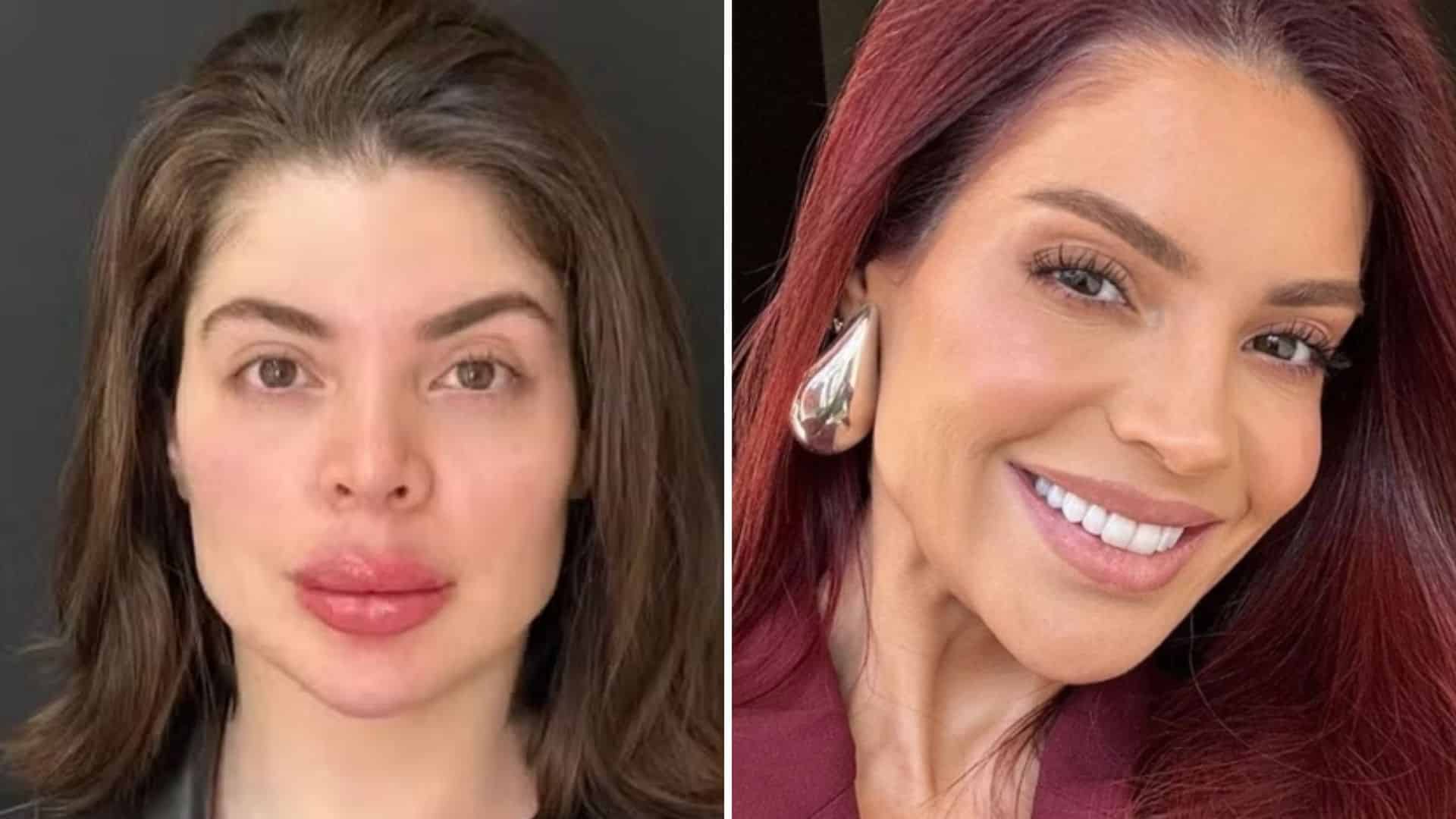
In recent months, a word has started appearing frequently on social media, especially on TikTok and in internet forums: looksmaxxingThis trend encompasses practices and strategies aimed at maximizing physical appearance, with a primary focus on the face, promising greater attractiveness, confidence, and social impact through aesthetic changes.
Between intense skincare routines, facial exercises, style changes, and even aesthetic procedures, looksmaxxing sparks curiosity but also raises important questions. To what extent do these practices actually work? What is care for one's appearance and what enters the territory of unrealistic expectations or health risks?
In this article, we will explain clearly and responsibly what looksmaxxing is, how this trend emerged, what practices are part of it, and, most importantly, how to view this movement with a critical eye, medical information, and respect for individuality.
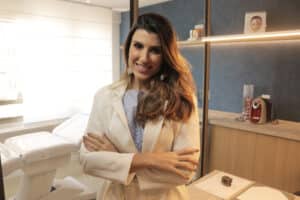
Schedule your personalized evaluation with Dr. Renata!
Dermatologist at Nova América
What is Looksmaxxing?
Looksmaxxing (also called looksmaxing ou looksmaxxThis is a trend that has gained traction on social media, especially on TikTok, Reddit, and YouTube, and consists of... adopt strategies to maximize physical attractiveness, focusing primarily on the face.
The term comes from the combination of:
-
formal and casual looks (appearance)
-
maxxing (maximize)
In practice, looksmaxxing aims to maximize the enhancement of facial and body features such as:
-
jawline
-
facial symmetry
-
cheekbone definition
-
appearance of the eyes
-
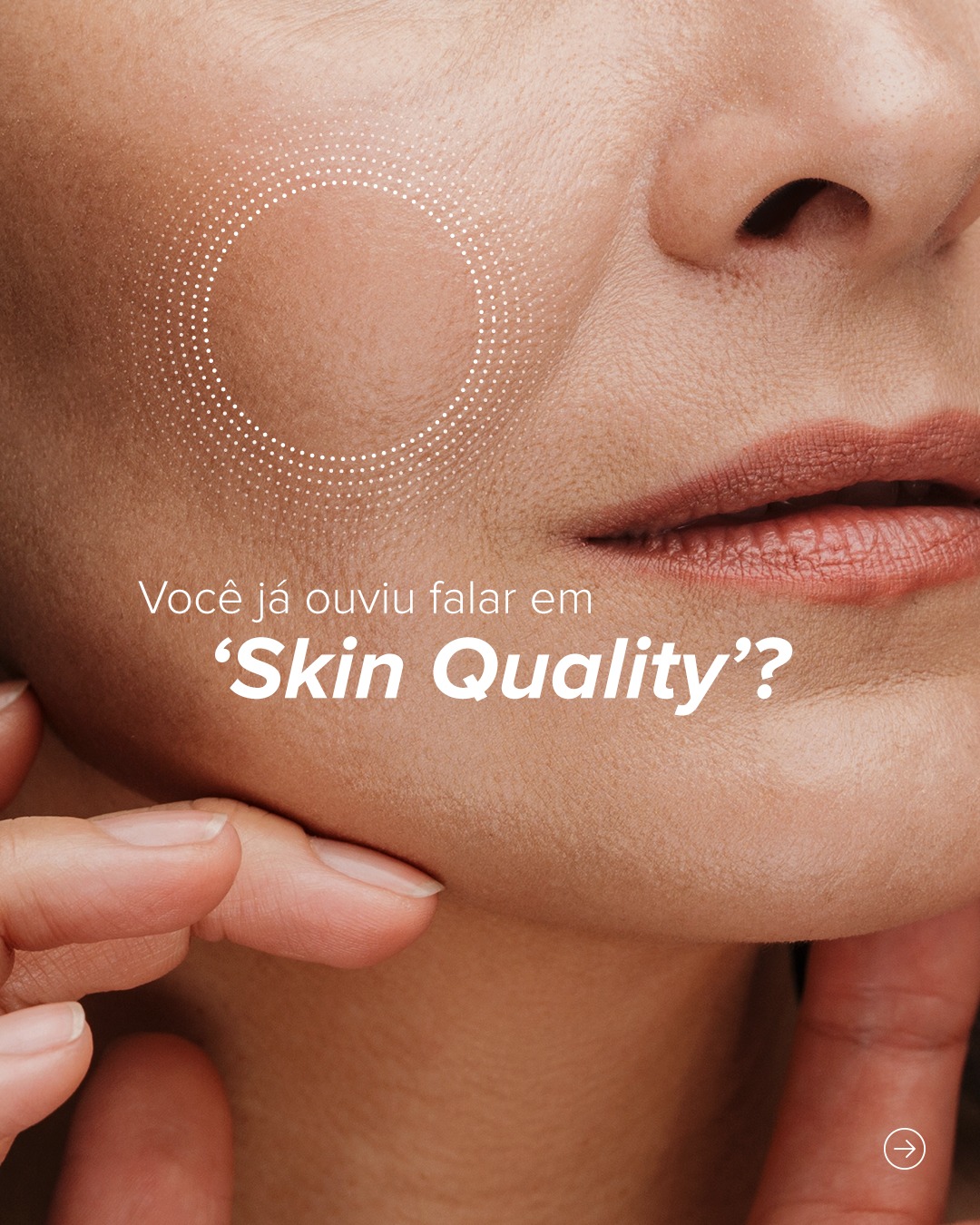
skin quality
-
facial fat reduction
The hashtag #looksmaxxing It has already surpassed billions of views, showing how much the topic sparks curiosity, especially among young people.
What characteristics does looksmaxxing emphasize?
Within the aesthetic popularized by looksmaxxing, certain traits are constantly cited as "ideal," including:
-
Well-defined jawline
-
Prominent cheekbones
-
Low facial fat
-
Proportional chin
-
Fuller lips
-
Symmetry between the sides of the face
-
Eyes with a positive slant, known as hunter eyes
Characterized by less exposure of the upper eyelid and a slight tilt of the outer corner of the eyes.
These patterns are heavily influenced by filters, image editing, celebrities, and models, which requires careful and critical analysis.
Does Looksmaxxing promise more than just aesthetics?
In the most popular discourse surrounding the trend, improving one's appearance is presented as a... catalyst for positive change, such as:
-
increased self-confidence
-
improved self-esteem
-
greater social acceptance
-
better performance in social and emotional relationships
However, it is important to highlight that Self-esteem and mental health don't depend solely on physical appearance.An excessive pursuit of perfection can lead to frustration, constant comparison, and body dissatisfaction.
What are the types of looksmaxxing? Softmaxxing and Hardmaxxing
Looksmaxxing strategies are usually divided into two main groups:
What is Softmaxxing?
O softmaxxing brings together practices non-invasive, lower risk, focused on self-care and healthy habits.
Key examples of softmaxing:
-
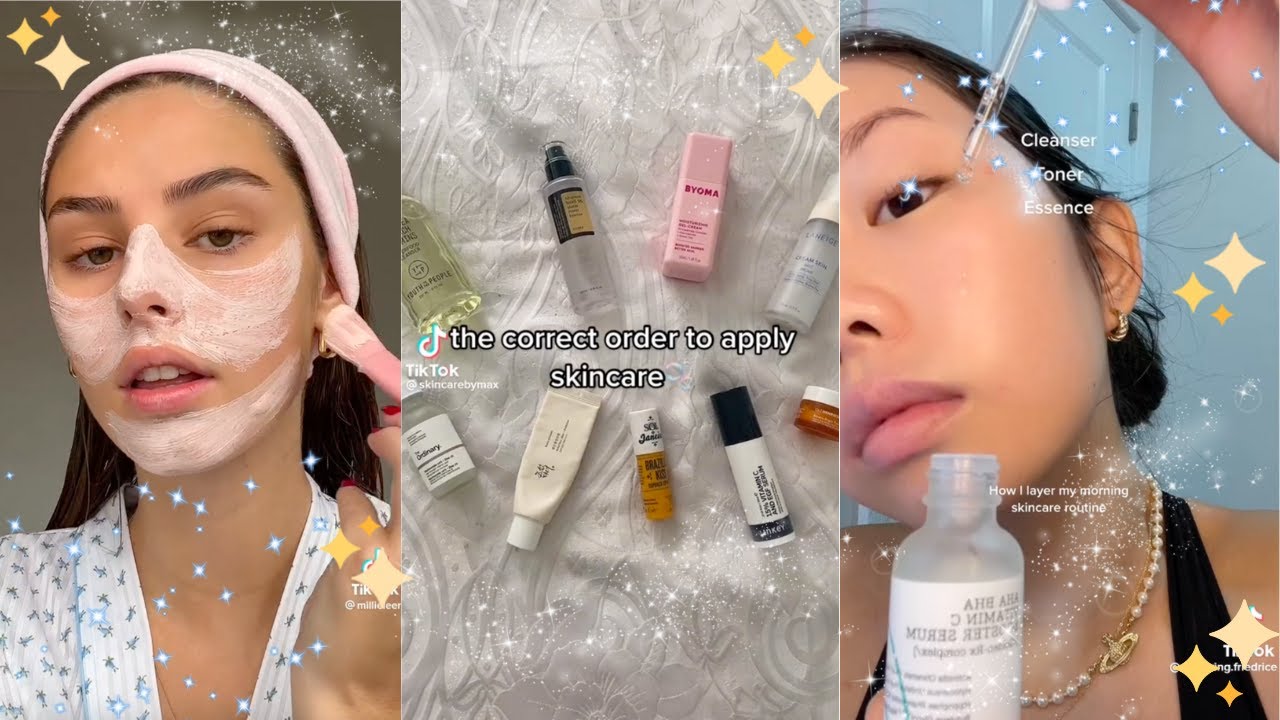
Skincare and skin care
-
Treatment for acne, blemishes, and oily skin.
-
use of active ingredients such as retinol, vitamin C and moisturizers
-
-
Hygiene and grooming
-
beard, hair and eyebrow care
-
-
Physical activity and a balanced diet
-
body fat reduction
-
posture improvement
-
-
Personal style
-
haircuts that harmonize with face shape
-
clothes that flatter your body type
-
-
Image consulting
-
Inspired by aesthetic references, without copying unrealistic patterns.
-
This is the safest and most recommended level, even by dermatologists.
What is Hardmaxxing?
O hardmaxxing wraps minimally invasive or surgical procedures, with a higher potential for risk if performed without medical supervision.
Examples cited in the community:
-
Facial fillers for the jawline, chin, or lips.
-
Botulinum toxin (Botox), including in the masseter muscle.
-
Procedures for facial fat reduction
-
Facial plastic surgeries
⚠️ It's essential to emphasize this here: Any procedure should be recommended after an individualized medical evaluation.with realistic expectations and a focus on health, not on unrealistic internet standards.
Do mewing and facial exercises work?
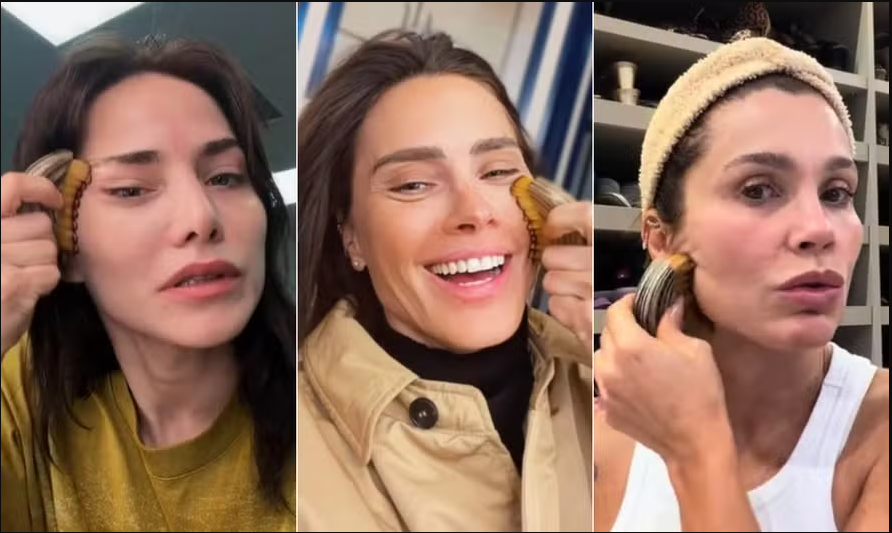
Techniques like mewing (Positioning the tongue on the roof of the mouth to "shape" the jaw) and facial exercises are extremely popular in looksmaxxing videos.
From a scientific point of view:
-
There is no robust evidence. that these practices significantly alter the facial bone structure in adults
-
They can improve postural awareness and mild muscle tone, but They do not replace medical treatments.
In other words, they should be approached with caution and without unrealistic promises.
What are the risks of looksmaxxing taken to the extreme?
When the pursuit of improving one's appearance ceases to be healthy, several risks can arise:
-
chronic body dissatisfaction
-
Constant comparison with unrealistic images
-
Frustration with natural results
-
trivialization of medical procedures
-
negative impact on mental health
Aesthetics should be a tool for self-care, not suffering.
Can looksmaxxing be positive?
Yes, when interpreted with balance.
Taking care of your skin, health, appearance, and self-esteem is part of well-being. The problem arises when:
-
Unattainable standards are taken as the rule.
-
These procedures are seen as a solution to emotional issues.
-
Individuality is ignored.
In modern dermatology, the focus is on:
-
respect the anatomy
-
preserve identity
-
to improve skin and tissue quality
-
promoting healthy aging
Conclusion: to what extent does looksmaxxing make sense?
The "looksmaxxing" trend reflects a legitimate desire to feel good about one's appearance, but it needs to be interpreted with critical thinking and responsibility.
Between applying a cream to your face and undergoing aesthetic procedures, there is a path that should be guided by:
-
reliable information
-
professional support
-
respect for individuality
-
physical and emotional health
If the pursuit of improving one's appearance is accompanied by self-care, balance, and medical guidance, it can be positive. Otherwise, it's important to pause and reassess expectations.

Medical evaluation is essential to understand the patient's complaints, identify dermatological problems, and consider their individual characteristics, such as anatomy, skin type, and reactions to substances used. Based on this, it is possible to determine the appropriate techniques to naturally enhance the features of the face, skin, and body.
Choosing a dermatologist is crucial for a thorough analysis of the areas of disharmony in the patient and to determine the necessary techniques, whether it be increasing volume, correcting angles, or symmetry. With a personalized and exclusive treatment plan, it is possible to meet the specific needs of each patient while respecting their limitations.
Dr. Renata Ralha, Clinical, Aesthetic and Hair Dermatologist, CRM: 52-84102-1 RJ, RQE No.: 28115
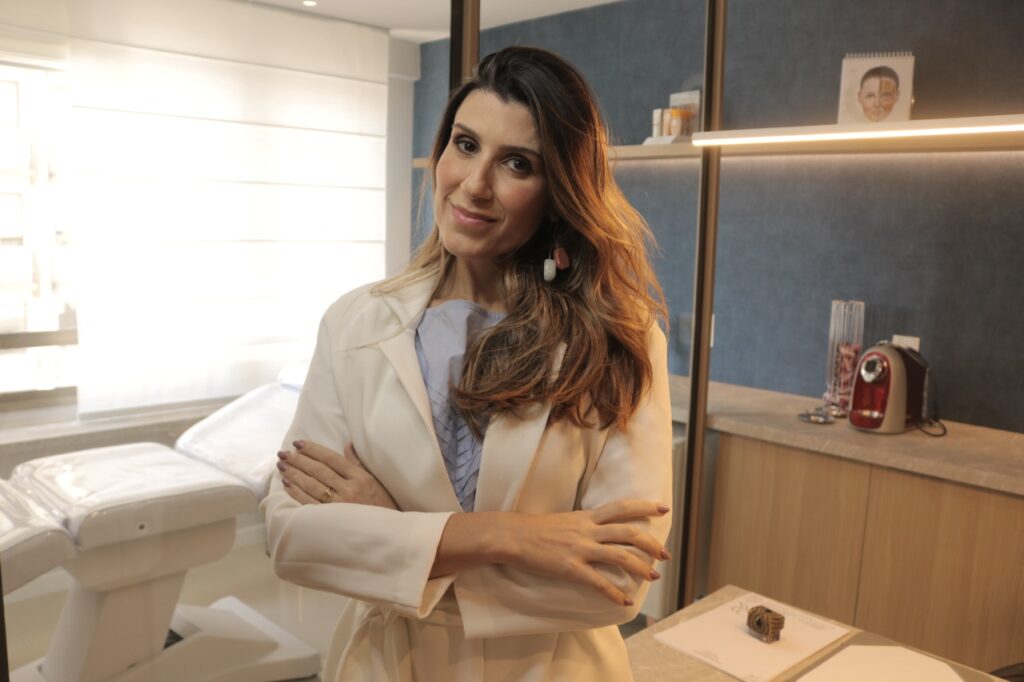
Medical evaluation is essential to understand the patient's complaints, identify dermatological problems, and consider their individual characteristics, such as anatomy, skin type, and reactions to substances used. Based on this, it is possible to determine the appropriate techniques to naturally enhance the features of the face, skin, and body.
Choosing a dermatologist is crucial for a thorough analysis of the areas of disharmony in the patient and to determine the necessary techniques, whether it be increasing volume, correcting angles, or symmetry. With a personalized and exclusive treatment plan, it is possible to meet the specific needs of each patient while respecting their limitations.

Dr. Renata Ralha, Clinical, Aesthetic and Hair Dermatologist, CRM: 52-84102-1 RJ, RQE No.: 28115

Follow our WhatsApp channel: Dr. Renata Ralha!
This channel is for you to stay up-to-date on the best news about... dermatology, aesthetics and skincareIn addition to finding out about all the new publications, promotions and sweepstakes that we offer at the Renata Ralha Clinic!