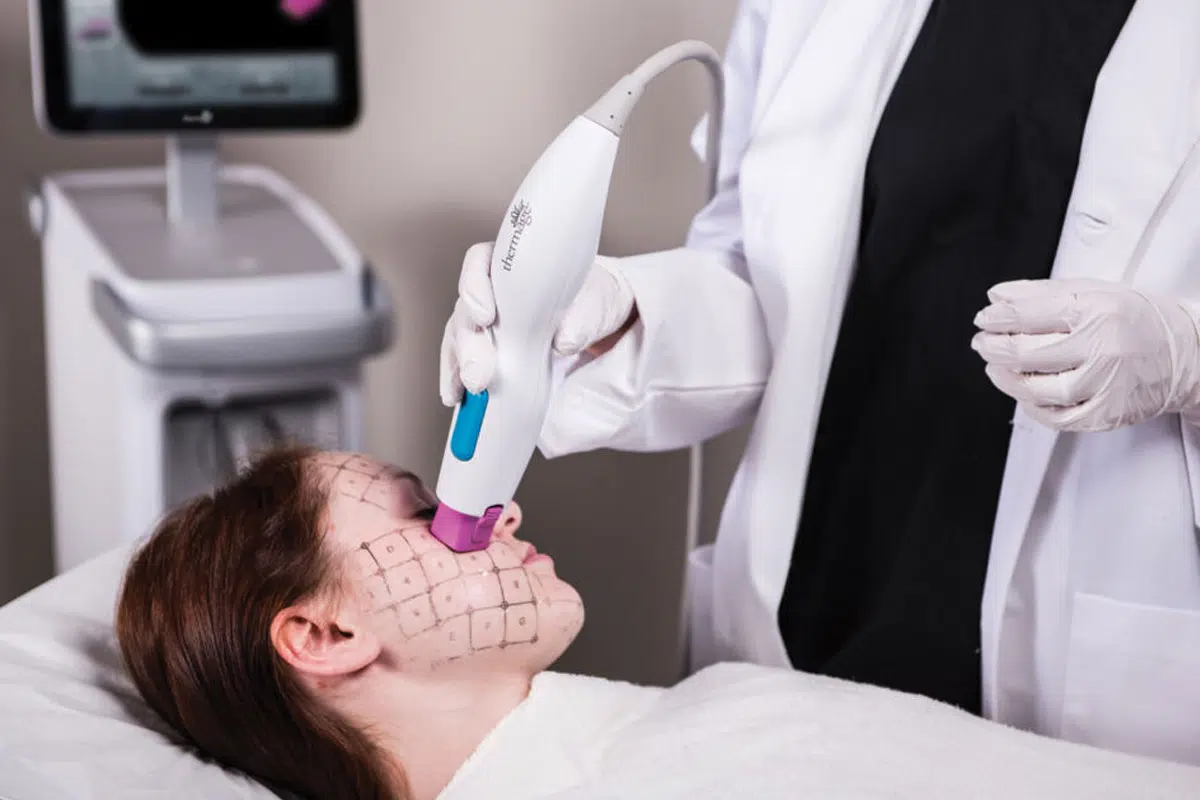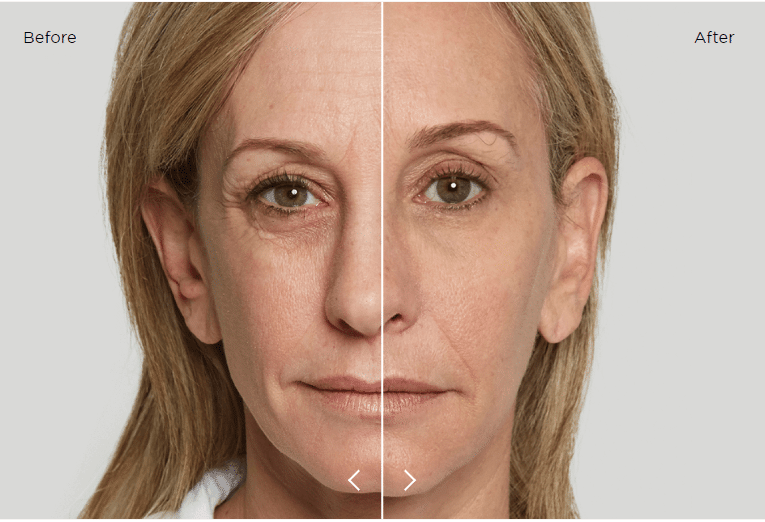
Liftera, a micro-focused ultrasound device, when combined with collagen biostimulators such as Sculptra®, provides a Advanced, safe and effective aesthetic treatment for those seeking skin rejuvenation and firmness. However, this process requires patience, because Full results take 3 to 6 months to become visible. This blog explores the scientific and physiological reasons behind this waiting period, detailing each phase of treatment and the importance of combining microfocused ultrasound with biostimulators for lasting results.
Schedule your personalized evaluation with Dr. Renata!
Dermatologist at Nova América
The Gradual Process of Collagen Stimulation and Regeneration
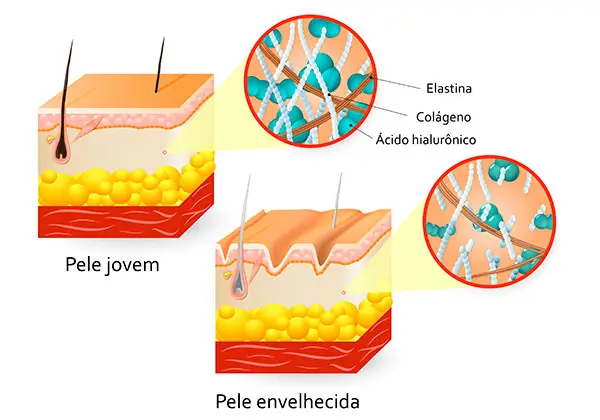
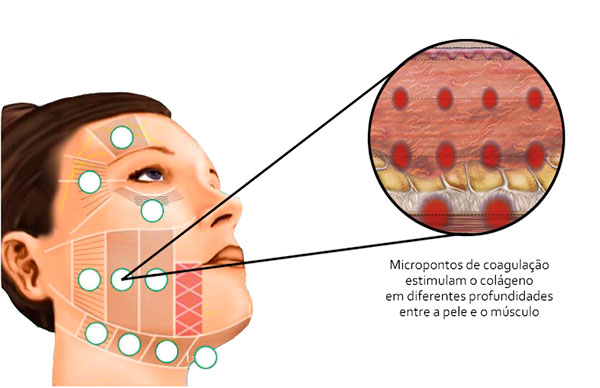
The main reason for the delay in obtaining final results from microfocused ultrasound with biostimulators is... biology of collagen itself and in the way it is produced and reorganized in the deeper layers of the skin. Treatment with Liftera creates controlled micro-lesions at specific points on the skin, triggering a natural healing and repair responseThese points, located at depths of up to 4.5 mm, generate a process known as neocollagenesis, that is, the creation of new collagen (Sasaki & Tevez, 2012; Gutowski, 2016).
After treatment, the body begins the skin tissue regeneration process, which follows several stages of inflammatory response and repair. Fibroblasts, cells responsible for collagen production, They are activated and begin to produce new fibers, which takes weeks or even months to achieve the desired effect on the skin. (Lobo et al., 2023; Dierickx, 2006). This process is gradual and continuous, promoting a natural remodeling of collagen that results in greater firmness and elasticity.
Stages of Collagen Production and the Action of Microfocused Ultrasound
Microfocused ultrasound triggers a immediate warming response and microlesions, This activates the production of heat shock proteins (HSPs) and initiates the skin repair process. Below are the main steps in this process:
-
Inflammatory Phase (First Weeks)
Immediately after treatment, a local inflammatory response occurs that lasts from a few days to weeks. This stage involves the migration of immune cells and fibroblasts to the microlesion sites. Heat shock proteins, which protect cells against damage and promote cellular stability, are also activated at this stage, preparing the environment for the start of collagen production (Pissurno, 2022; Alster & Lupton, 2007). -
Proliferation Phase (1 to 3 Months)
With the cellular environment prepared, fibroblasts begin to produce collagen in increasing quantities. The production of type I collagen and elastin peaks during this period, which gradually increases skin density and firmness (Gutowski, 2016). It is at this stage that the first results begin to appear, but still subtly, as the collagen fibers are still organizing themselves. -
Remodeling Phase (3 to 6 Months)
The final stage involves the reorganization of newly produced collagen fibers, resulting in firmer, denser skin with improved elasticity. During this phase, the fibers are realigned and gain more stability, providing a natural and long-lasting lifting effect. This is why the final results of the treatment can only be fully observed after 3 to 6 months (Luccia & Gotardo, 2023; Dos Santos Vianna Néri et al., 2022).
The Role of Biostimulators in Enhancing Results
The combination of microfocused ultrasound with biostimulators, such as Sculptra® (poly-L-lactic acid), offers a Dual action that amplifies the firming and rejuvenating effects.While ultrasound stimulates the skin in deeper layers, theInjected biostimulators act as catalysts., providing the body with the necessary “ingredients” to produce collagen more effectively (Lobo et al., 2023; Dal Piva & Fraporti, 2024).
Poly-L-lactic acid, for example, acts as a temporary "filler" that triggers a gradual collagen production response. It It remains on the skin for months. It is slowly absorbed as new collagen is synthesized. This process takes time, but results in a significant improvement in skin firmness and density, with a prolonged and lasting effect.
Realistic Expectations: What to Watch Out For in the First Months After Liftera
In the first 1 to 2 months After treatment, it is common to observe only one slight improvement in skin texture and firmness. which may vary depending on the individual response. Over time, collagen remodeling continues, and the Results become more evident around the third month, peaking between 4 and 6 months. This interval is essential to ensure that the collagen develops and stabilizes properly., promoting a long-lasting and natural effect (Gutowski, 2016; Alster & Lupton, 2007).
Furthermore, factors such as Age, genetics, and lifestyle influence the rate of response to treatment. Younger patients tend to see results faster, while older people may notice the effects more gradually. In any case, microfocused ultrasound and biostimulators provide progressive rejuvenation that improves over time (Dos Santos Vianna Néri et al., 2022; Luccia & Gotardo, 2023).
Conclusion: Patients Who Choose to Wait Reap Lasting Results
Microfocused ultrasound combined with biostimulators is a scientifically supported approach to improve skin firmness and rejuvenation. Although it takes 3 to 6 months to see full results, this wait is justified by the natural and gradual process of collagen production and remodeling. Microfocused ultrasound technology creates a solid base that biostimulators reinforce, providing a long-lasting lifting effect and visibly younger, firmer skin.
Patience is a key element in achieving the best results.Those who wait the full 6-month period observe a natural and noticeable improvement, with effects that last and minimize the need for repeated interventions.
Reference:
-
Dos Santos Vianna Néri, J. et al. (2022). Application of Microfocused Ultrasound in Facial Rejuvenation: A Literature Review. International Journal of Science Dentistry, 1(60), 137–146. DOI: https://doi.org/10.22409/ijosd.v1i60.54172
-
Gutowski, K. A. (2016). Microfocused Ultrasound for Skin Tightening. Plastic Surgery Clinics, 43(3), 577–582. DOI: https://sci-hub.se/10.1016/j.cps.2016.03.012
-
Sasaki, G. H., & Tevez, A. (2012). Microfocused Ultrasound for Nonablative Skin and Subdermal Tightening to the Periorbitum and Body Sites: Preliminary Report on Eighty-Two Patients. Journal of Cosmetics, Dermatological Sciences and Applications, 2(2), 108–116. DOI: http://dx.doi.org/10.4236/jcdsa.2012.222022
-
Wulkan, AJ, Fabi, SG, & Green, JB (2016). Microfocused Ultrasound for Facial Photorejuvenation: A Review. Facial Plastic Surgery (FPS), 32(3), 269–275. DOI: http://dx.doi.org/10.1055/s-0036-1584129
-
Pissurno, L. de L. (2022). Microfocused Ultrasound: Biotechnology in the Service of Aesthetics, Breaking the Cycle of Chronological Aging and Improving Tissue Flaccidity.Final Project (TCC), Presidente Antônio Carlos University. Link
-
Luccia, F. di, & Gotardo, L. (2023). The Efficacy of Microfocused Ultrasound in Skin Aging. Scientific Journal of Aesthetics and Cosmetology, 3(1), E1062023 – 1. DOI: https://doi.org/10.48051/rcec.v3i1.106
-
Alster, T. S., & Lupton, J. R. (2007). Nonablative Cutaneous Remodeling Using Radiofrequency Devices. Clinics in Dermatology. DOI: http://dx.doi.org/10.4236/jcdsa.2012.222022
-
Dierickx, C. C. (2006). The Role of Deep Heating for Noninvasive Skin Rejuvenation. Lasers in Surgery and Medicine. DOI: http://dx.doi.org/10.1002/lsm.20446
-
Lobo, B., Veronezi, L., Nogueira, M., Rabelo, C., Ribeiro, H., Maia, J., Montezuma, G., & Santos, M. (2023). Association of Sculptra with Microfocused Ultrasound for Facial Rejuvenation. Health and Society, 3, 496-506. DOI: https://doi.org/10.51249/hs.v3i06.1795
-
Dal Piva, AKF, & Fraporti, L. (2024). Collagen Biostimulator. Journal of the FAI University Center – UCEFF Itapiranga – SC, Center for Health Sciences, 3(1), Extended Abstract. DOI: https://revistas.uceff.edu.br/reviva/article/view/400/524


Medical evaluation is essential to understand the patient's complaints, identify dermatological problems, and consider their individual characteristics, such as anatomy, skin type, and reactions to substances used. Based on this, it is possible to determine the appropriate techniques to naturally enhance the features of the face, skin, and body.
Choosing a dermatologist is crucial for a thorough analysis of the areas of disharmony in the patient and to determine the necessary techniques, whether it be increasing volume, correcting angles, or symmetry. With a personalized and exclusive treatment plan, it is possible to meet the specific needs of each patient while respecting their limitations.
Dr. Renata Ralha, Clinical, Aesthetic and Hair Dermatologist, CRM: 52-84102-1 RJ, RQE No.: 28115

Medical evaluation is essential to understand the patient's complaints, identify dermatological problems, and consider their individual characteristics, such as anatomy, skin type, and reactions to substances used. Based on this, it is possible to determine the appropriate techniques to naturally enhance the features of the face, skin, and body.
Choosing a dermatologist is crucial for a thorough analysis of the areas of disharmony in the patient and to determine the necessary techniques, whether it be increasing volume, correcting angles, or symmetry. With a personalized and exclusive treatment plan, it is possible to meet the specific needs of each patient while respecting their limitations.

Dr. Renata Ralha, Clinical, Aesthetic and Hair Dermatologist, CRM: 52-84102-1 RJ, RQE No.: 28115
Follow our WhatsApp channel: Dr. Renata Ralha!
This channel is for you to stay up-to-date on the best news about... dermatology, aesthetics and skincareIn addition to finding out about all the new publications, promotions and sweepstakes that we offer at the Renata Ralha Clinic!