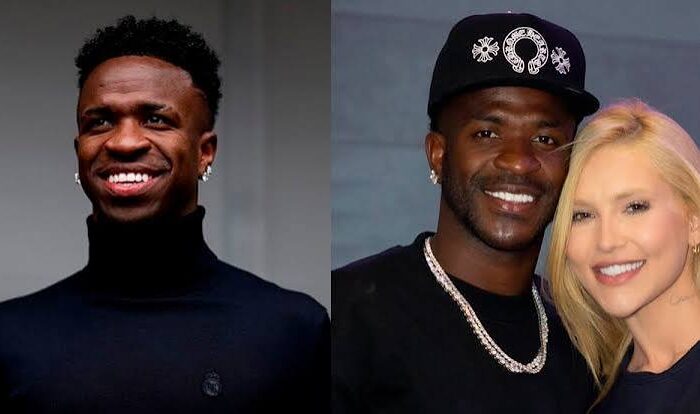
A Facial naturalization gained prominence after the treatment performed by Vini Jr., which combined different resources to improve support, proportions, contour, and skin quality. The goal was not simply to fill in the face, but to work on different layers in a planned way and preserve the player's features.
In this guide, you will learn How does the technique associated with Vini Jr.'s treatment work?What procedures can be part of facial naturalization, and how does this approach seek to rejuvenate without standardizing facial features?
Facial naturalization can bring together technologies, collagen biostimulators, botulinum toxin and targeted fillersHowever, there is no single protocol that works for everyone. Treatment begins with an assessment of the anatomy and identification of what truly needs to be corrected, stimulated, or preserved.
Schedule your personalized evaluation with Dr. Renata!
Dermatologist at Nova América
What did Vini Jr. do to his face?
The information released indicates that Vini Jr.'s treatment involved a strategy called Facial Naturalization. It was mentioned...
What is facial naturalization?
Facial naturalization is an individualized dermatological treatment plan that seeks to rejuvenate the face while preserving its natural features. The goal is not to transform features, create artificial angles, or follow a trendy facial model.
In practice, the doctor evaluates the face in different layers. Bones, ligaments, muscles, fat compartments, and skin all contribute to aging to varying degrees, which is why a single technique rarely resolves all complaints.
Is facial naturalization the same thing as facial harmonization?
The terms may overlap, but Facial naturalization emphasizes a more conservative and anatomy-oriented approach.Facial harmonization can also produce natural results, provided it is performed with care, using small amounts of product, and with well-defined objectives.
The problem isn't necessarily the name of the treatment, but the excess. When everyone receives similar volumes in their lips, jaw, chin, and cheekbones, there's a greater risk of standardization and loss of facial identity.
| Standardized harmonization | Facial naturalization |
|---|---|
| It begins with the desired procedure. | It begins with an assessment of the face. |
| You can prioritize angles and volumes. | It prioritizes proportion and identity. |
| It tends to treat various regions equally. | It only treats what is indicated. |
| Seeking more noticeable changes. | Prefers progressive evolution. |
| It can depend a lot on the information provided. | It can combine skin, muscles, collagen and structure. |
Is facial naturalization just about fillers?
No. Dermal fillers are just one of the possible tools. In many patients, the primary need lies in addressing sagging skin, muscle movement issues, reduced collagen, or skin quality, not simply a lack of volume.
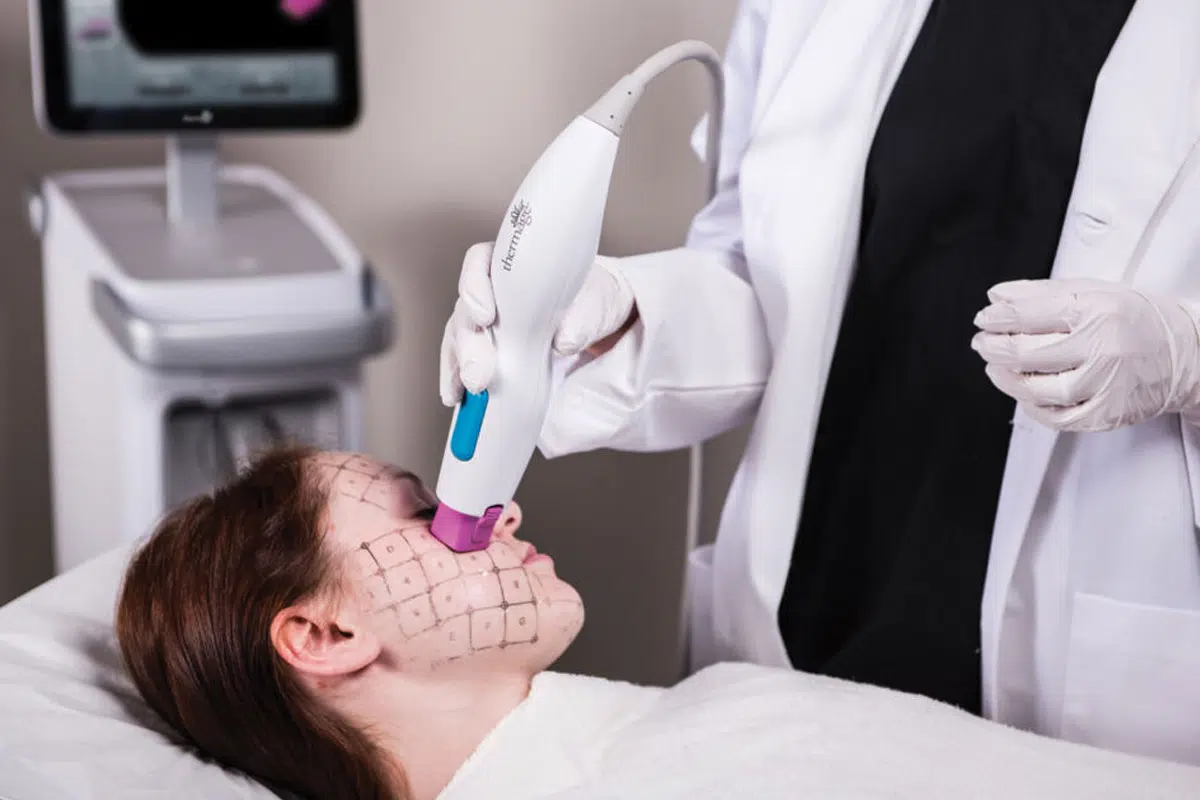
Combined approaches may include botulinum toxin, fillers, biostimulators, and energy-based technologies. Scientific reviews show that the combination can act on different components of aging, provided there is an indication, appropriate sequence, and medical expertise.
What procedures can be part of facial naturalization?
Facial naturalization is not a one-size-fits-all procedure. The choice depends on the cause of the complaint and the layer of the face that needs treatment.
| Method | How can you help? |
|---|---|
| Botulinum toxin | It softens expression lines while preserving natural movement. |
| Hyaluronic acid filler | Recovers projection, support, or volume in selected areas. |
| sculptra | It stimulates collagen and gradually improves firmness. |
| Radiesse | It provides support and stimulates collagen in selected protocols. |
| Liftera 2 | It works on deep layers to improve sagging and contour. |
| CoolPhase | It uses radiofrequency to increase skin firmness and density. |
| Profile | Improves hydration, elasticity, and overall skin quality. |
| Skinbooster | Treats dehydration, fine lines, and loss of radiance. |
| Etherea MX Lasers | They can treat blemishes, veins, pores, texture, and stimulate collagen production. |
These options do not form a mandatory package. A good protocol uses only what is necessary., respecting priorities, intervals and the skin's ability to recover.
What changes in the face with aging?
Facial aging doesn't just happen on the surface. It can also occur Bone remodeling, ligament alteration, redistribution of fat compartments, changes in muscle activity, and reduced skin quality..
These changes can lead to deeper dark circles, loss of jawline definition, wrinkles, sagging cheeks, and a tired appearance. Because each body structure ages at a different rate, people of the same age may need completely different treatment plans.
What problems can facial naturalization address?
This approach could be considered for improvement:
- expression wrinkles;
- loss of firmness and support;
- mild to moderate sagging;
- reduction in contour definition;
- Dark circles and facial depressions;
- loss of volume;
- Slightly protruding chin;
- irregular texture;
- spots, blood vessels and redness;
- Dryness and loss of vitality.
Not every alteration needs to be treated. In clinical practice, it is common to correct one or two priorities This produces a more elegant result than intervening in all regions at the same time.
Who is facial naturalization suitable for?
Naturalization may be suitable for people who wish to... to look more rested, preserve their features, or treat specific signs of aging. without an exaggerated facial change.
It can also make sense for those who have already undergone procedures and notice a loss of naturalness. In these cases, the planning needs to consider previous products, the time since application, the current anatomy, and the possibility of simply monitoring before performing new interventions.
How is the assessment for facial naturalization done?
The evaluation begins with a conversation about What bothers them, what the patient wants to preserve, and what results they consider natural.Photographs, medical history, illnesses, medications, and expectations also need to be analyzed.
How is the planning done?
The first step is to understand what bothers the patient and which features they wish to preserve. Then, the face is evaluated at rest, in motion, from the front, and in profile.
The analysis considers:
- muscle movement;
- Chin projection;
- jaw contour;
- cheek support;
- volume distribution;
- sagging;
- skin quality and texture.
Based on this assessment, priorities are defined. In many cases, treating only one or two of them produces a more elegant result than intervening on the entire face.
How does facial naturalization work step by step?
| Stage | What is evaluated or accomplished? |
|---|---|
| 1. Listening to the patient | Complaints, expectations, and characteristics you wish to preserve. |
| 2. Facial analysis | Profile, proportions, movement, skin, sagging and volume. |
| 3. Setting priorities | Identifying what really needs to be addressed. |
| 4. Choosing the techniques | Toxin, biostimulator, technology, laser or filler |
| 5. Sequence planning | Procedures in the same session or in stages |
| 6. Side dish | Evaluation of the response and decision on new interventions. |
A good protocol is not measured by the quantity of products used. It is measured by... coherence between diagnosis, technique and result.
Does the result appear immediately?
It depends on the procedure. Fillers can produce a faster change, although the initial swelling doesn't represent the final result. Botulinum toxin starts to work over the first few days.
Biostimulators, ultrasound, radiofrequency, and lasers present progressive resultsBecause they depend on collagen remodeling, the progress must be monitored over weeks or months.
How can I avoid my face looking artificial?
Naturalness depends on diagnosis, proportion, and the ability to discontinue treatment at the appropriate time. More product doesn't necessarily mean a better result.
To avoid excesses, it is important to:
- Address a few priorities at a time;
- respect the anatomy;
- preserve movement;
- Avoid automatic reapplications;
- Combine technologies when they reduce the need for volume;
- Reassess before adding new procedures.
In some cases, the best medical decision is to wait for the response to the treatment already performed.
What are the limits and the risks?
Facial naturalization can improve mild to moderate sagging, wrinkles, contour, and skin quality, but it does not prevent aging nor does it replace surgery when there is a significant excess of skin.
The risks vary depending on the procedure. The following may occur: Redness, swelling, bruising, tenderness, asymmetries, nodules, infection, and pigmentation changes.Fillers also present a rare risk of vascular complications.
Therefore, treatments need to be carried out with medical evaluation, anatomical knowledge, products of known origin, and proper follow-up.
Why choose Dr. Renata Ralha for facial naturalization?
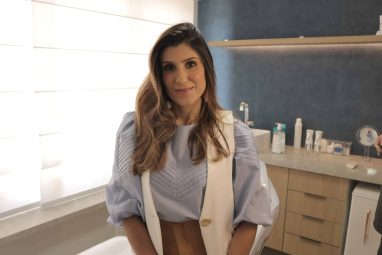
A Dr. Renata Ralha is a dermatologist with a Specialist Title from the Brazilian Society of Dermatology., with training in Clinical, Aesthetic and Surgical Dermatology. She personally performs the assessments and procedures.
At Dr. Renata Ralha's Clinic, treatment doesn't begin with choosing a syringe or a machine. Dr. Renata evaluates muscles, support, volume, collagen, blemishes, texture, and expectations before defining any protocol.
The clinic offers resources such as Liftera 2, CoolFase, Etherea MX lasers, Sculptra, Radiesse, Profhilo, Skinbooster, botulinum toxin, and fillers. Combinations are only used when each procedure has a clear function within the treatment plan.
For Dr. Renata, to naturalize means to understand. What has the face lost, what should be preserved, and what is the smallest intervention capable of offering a relevant benefit?.
Conclusion
Facial naturalization proposes a more careful rejuvenation, based on anatomy and the preservation of identity. The treatment may involve muscles, collagen, volume, firmness, and skin quality, but does not require that all of these areas be treated.
The most natural result usually comes from proportionate choices, progressive evolution, and medical follow-up. The goal is not to create a new face, but to ensure that the patient continues to recognize themselves, with a more balanced and rested appearance.
This content is for informational purposes only and does not replace an individualized dermatological evaluation.
No. Depending on the need, the plan may utilize only botulinum toxin, biostimulators, technologies, or skin treatments.
The goal is to produce proportionate changes. The patient should continue to recognize themselves and maintain their personal characteristics.
Some injectables can cause temporary edema. The intensity and duration depend on the procedure and the individual response.
In some cases, yes. Planning depends on the product used, the quantity, the region, and the time since application.
There is no single duration. Each procedure has a period of action, and the need for maintenance should be determined through reassessment.

Medical evaluation is essential to understand the patient's complaints, identify dermatological problems, and consider their individual characteristics, such as anatomy, skin type, and reactions to substances used. Based on this, it is possible to determine the appropriate techniques to naturally enhance the features of the face, skin, and body.
Choosing a dermatologist is crucial for a thorough analysis of the areas of disharmony in the patient and to determine the necessary techniques, whether it be increasing volume, correcting angles, or symmetry. With a personalized and exclusive treatment plan, it is possible to meet the specific needs of each patient while respecting their limitations.
Dr. Renata Ralha, Clinical, Aesthetic and Hair Dermatologist, CRM: 52-84102-1 RJ, RQE No.: 28115
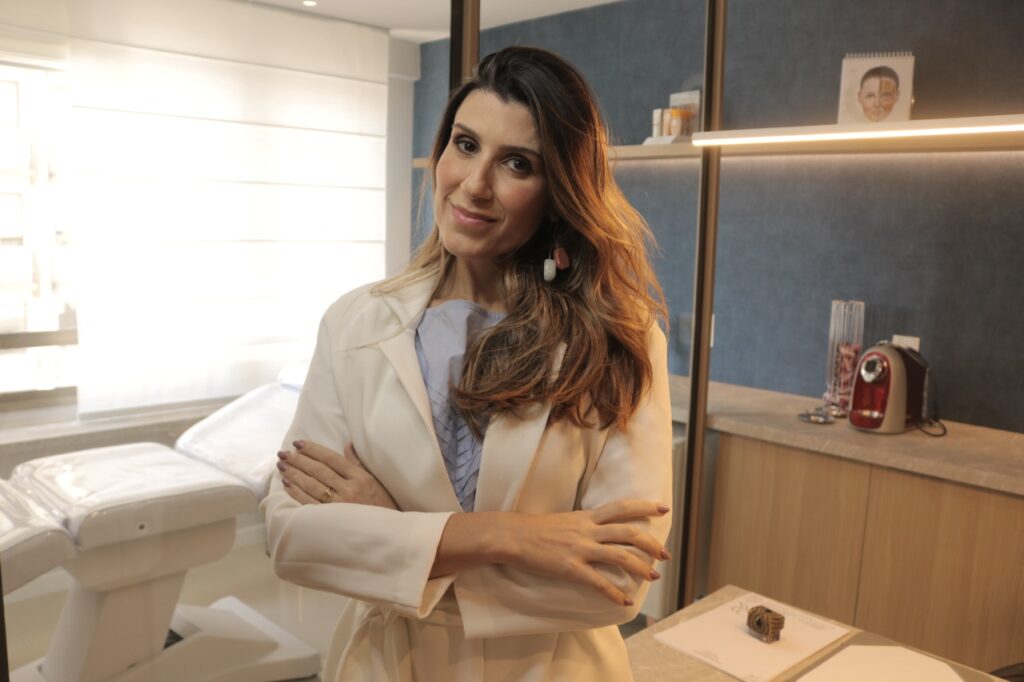
Medical evaluation is essential to understand the patient's complaints, identify dermatological problems, and consider their individual characteristics, such as anatomy, skin type, and reactions to substances used. Based on this, it is possible to determine the appropriate techniques to naturally enhance the features of the face, skin, and body.
Choosing a dermatologist is crucial for a thorough analysis of the areas of disharmony in the patient and to determine the necessary techniques, whether it be increasing volume, correcting angles, or symmetry. With a personalized and exclusive treatment plan, it is possible to meet the specific needs of each patient while respecting their limitations.

Dr. Renata Ralha, Clinical, Aesthetic and Hair Dermatologist, CRM: 52-84102-1 RJ, RQE No.: 28115
Follow our WhatsApp channel: Dr. Renata Ralha!
This channel is for you to stay up-to-date on the best news about... dermatology, aesthetics and skincareIn addition to finding out about all the new publications, promotions and sweepstakes that we offer at the Renata Ralha Clinic!