
🗓️ Update June/2026: The "Sephora kids" movement — pre-teens buying serums, retinol, and multi-step routines — continues to be popular on social media and worries dermatologists, who warn of irritation, dryness, and reactions in young skin.
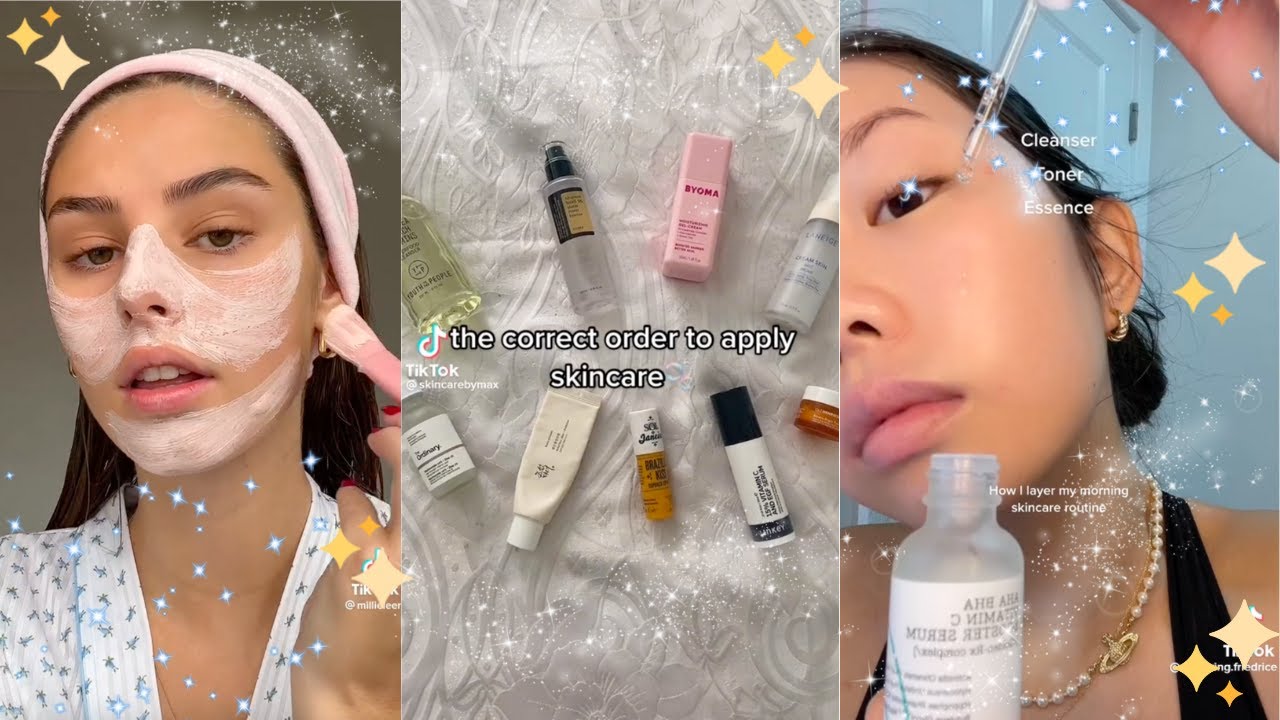
In recent months, videos of children and pre-teens putting together skincare routines full of potent active ingredients have gone viral and raised an important alert among dermatologists.
This text, based on guidelines from medical societies, explains what young skin really needs — and what can harm it.
Schedule your personalized evaluation with Dr. Renata!
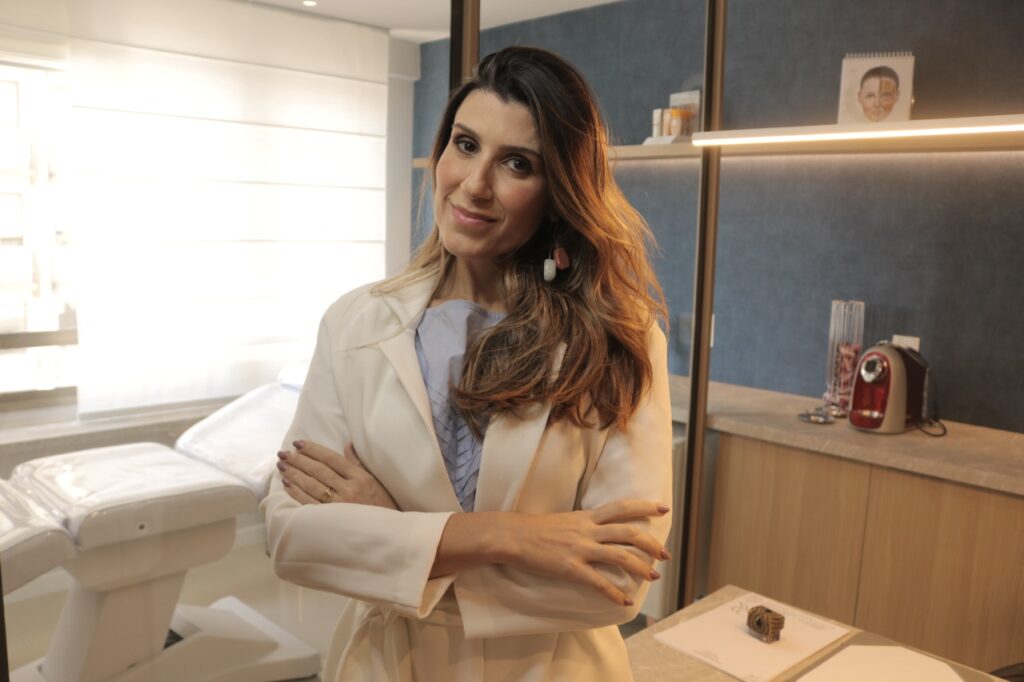
Dermatologist at Nova América
What is the "Sephora Kids" phenomenon?
"Sephora kids" is the term used to describe children and pre-teens who adopt elaborate skincare routines with anti-aging products such as retinol, vitamin C, and exfoliating acids, usually influenced by social media videos. This phenomenon is concerning because these active ingredients are not suitable for young skin.
The logic circulating online — "more products, more ingredients, faster results" — does not apply to a child's skin, which is biologically different from adult skin.
The movement mixes entertainment, consumption, and premature pressure to conform to beauty standards, which makes this warning even more necessary.
Every child has skin that is still developing, and any care should be guided by a proper assessment.
Can children and pre-teens use retinol?
No. Children and pre-teens should not use retinol or other anti-aging actives. The skin in this age group already has strong collagen production and accelerated cell renewal, meaning it doesn't need products that stimulate processes that already occur naturally. Early use can cause irritation and damage to the skin barrier.
Retinol is a potent active ingredient, indicated for specific needs that simply do not exist in young, healthy skin.
Applying it at that age tends to cause redness, peeling, and sensitivity, without any real benefit.
The rule is clear: young skin doesn't need anti-aging products — it needs protection and basic care.

Why are anti-aging acids harmful to young skin?
Anti-aging acids are harmful to young skin because it is already naturally balanced and sensitive. These active ingredients are designed to accelerate processes such as cell renewal and the fight against blemishes, which are not needs of a child's skin. The result is often irritation, dryness, peeling, and even eczema-like reactions.
Young skin has a barrier that is still forming, making it more vulnerable to chemical aggressions.
Layers of multiple potent active ingredients can disrupt this barrier and trigger inflammatory conditions.
In my practice, it's common to see irritated young skin caused by an excess of products, not a lack of them.
What are the risks of copying adults' routines?
The main risks are irritation, redness, dryness, peeling, dermatitis, and allergic reactions. Combining several active ingredients without guidance, especially acids and retinoids, can compromise the skin barrier and generate more problems than the child had before. There is also a risk of photosensitivity.
Some active ingredients make the skin more sensitive to the sun, increasing the risk of burns and blemishes if sun protection is not adequate.
In addition to the physical damage, there is the behavioral impact: premature pressure to conform to beauty standards can affect self-image.
| Routine copied from an adult | Youthful skin (what you really need) |
|---|---|
| Retinol and potent acids | Gentle cleaning |
| Several serums combined | Lightweight moisturizer |
| Frequent exfoliation | Sunscreen |
| Focus on "anti-aging" | Focus on protection and hygiene. |
What is a safe skincare routine for children and pre-teens?
A safe routine is simple: gentle cleansing, light moisturizer, and daily sunscreen. For most children and pre-teens, these three steps with age-appropriate products are sufficient to maintain healthy skin, without anti-aging ingredients or harsh exfoliants.
Cleansing should be done using gentle products that don't damage the skin barrier. Moisturizer should be light and suitable for the skin type.
Sunscreen is the most important item: it protects the skin throughout life and prevents future damage.
Any specific need — such as early-stage acne — should be evaluated by a dermatologist, and not treated with antiviral products.
From what age can you use active ingredients like acids?
There is no single age; the indication depends on the actual need and dermatological evaluation. Active ingredients such as acids usually come into play during adolescence, when issues like acne arise, and always under professional guidance. Before that, the skin rarely needs treatments with potent active ingredients.
Puberty brings changes to the skin, such as increased oiliness and acne, which may justify the use of certain specific active ingredients.
Even at this stage, the introduction should be gradual, individualized, and supervised, avoiding aggressive combinations.
What defines its use is clinical need, not fashion or social media trends.
How do you talk to children who are influenced by social media?
It's worth welcoming the interest in self-care, but explaining that young skin is different and doesn't need anti-aging products. Redirecting the enthusiasm towards healthy habits — gentle cleansing, light hydration, and especially sunscreen — transforms the trend into something positive and safe.
Showing younger people that "taking care of your skin" isn't about accumulating products, but rather about protecting and respecting your skin, usually makes sense.
A dermatological consultation can help a child understand, in a playful and scientific way, what their skin really needs.
Every child is different, and individualized guidance prevents both over-protection and neglect of basic needs.
When should you take your child to a dermatologist?
It's worth consulting a dermatologist when you experience acne, blemishes, persistent itching, peeling, reactions to products, or have doubts about what's appropriate for your age. An evaluation helps prevent the inappropriate use of active ingredients and guides a safe, personalized routine for your developing skin.
If the child has already experienced irritation after using antiviral products, the consultation helps to restore the barrier and correct the routine.
Professional guidance also reassures parents and children in the face of the information overload on social media.
Healthy, youthful skin is built on basic care and guidance, not on fleeting trends.
Conclusion
The “Sephora kids” phenomenon shows how social media trends can put young skin at risk. Children's and pre-teens' skin doesn't need retinol or anti-aging acids—it needs gentle cleansing, light hydration, and above all, sun protection.
Since every developing skin is unique, any specific needs should be evaluated by a dermatologist. Taking good care of your skin from an early age is simple, safe, and science-based.
If you have any questions or would like to schedule a consultation, please get in touch! I'm here to help you achieve a healthier, more natural version of your skin. 😊


Medical evaluation is essential to understand the patient's complaints, make an accurate diagnosis, and indicate the most appropriate protocol for each case. Each skin type has unique characteristics, and care must be personalized to ensure health and safety. Choosing a dermatologist who is a member of the Brazilian Society of Dermatology is crucial, especially when dealing with the skin of children and adolescents.
Dr. Renata Ralha Clinical, Aesthetic and Hair Dermatologist, CRM: 52-84102-1 RJ, RQE No.: 28115
In general, there is no need. Young skin does not require potent antioxidants for "anti-aging." Any use should have a specific indication and professional guidance.
No, as long as it's lightweight and age-appropriate. Moisturizer helps maintain a healthy barrier. The problem lies in potent active ingredients, not basic hydration.
Generally, no. Young skin renews itself efficiently, and frequent exfoliation can damage the barrier, causing irritation and dryness.
It can, especially if poorly removed or of poor quality. Ideally, limit its use, choose appropriate products, and ensure gentle cleaning afterward.
It may be necessary, with evaluation. Acne is treatable and should not be managed with random viral products. The dermatologist will indicate what is safe for each case and age.
Because developing skin is sensitive and rarely needs potent active ingredients. Only an assessment can determine what is necessary, avoiding irritation and protecting long-term skin health.
Medical evaluation is essential to understand the patient's complaints, identify dermatological problems, and consider their individual characteristics, such as anatomy, skin type, and reactions to substances used. Based on this, it is possible to determine the appropriate techniques to naturally enhance the features of the face, skin, and body.
Choosing a dermatologist is crucial for a thorough analysis of the areas of disharmony in the patient and to determine the necessary techniques, whether it be increasing volume, correcting angles, or symmetry. With a personalized and exclusive treatment plan, it is possible to meet the specific needs of each patient while respecting their limitations.

Dr. Renata Ralha Clinical, Aesthetic and Hair Dermatologist, CRM: 52-84102-1 RJ, RQE No.: 28115

Follow our WhatsApp channel: Dr. Renata Ralha!
This channel is for you to stay up-to-date on the best news about... dermatology, aesthetics and skincareIn addition to finding out about all the new publications, promotions and sweepstakes that we offer at the Clinic Renata Ralha!