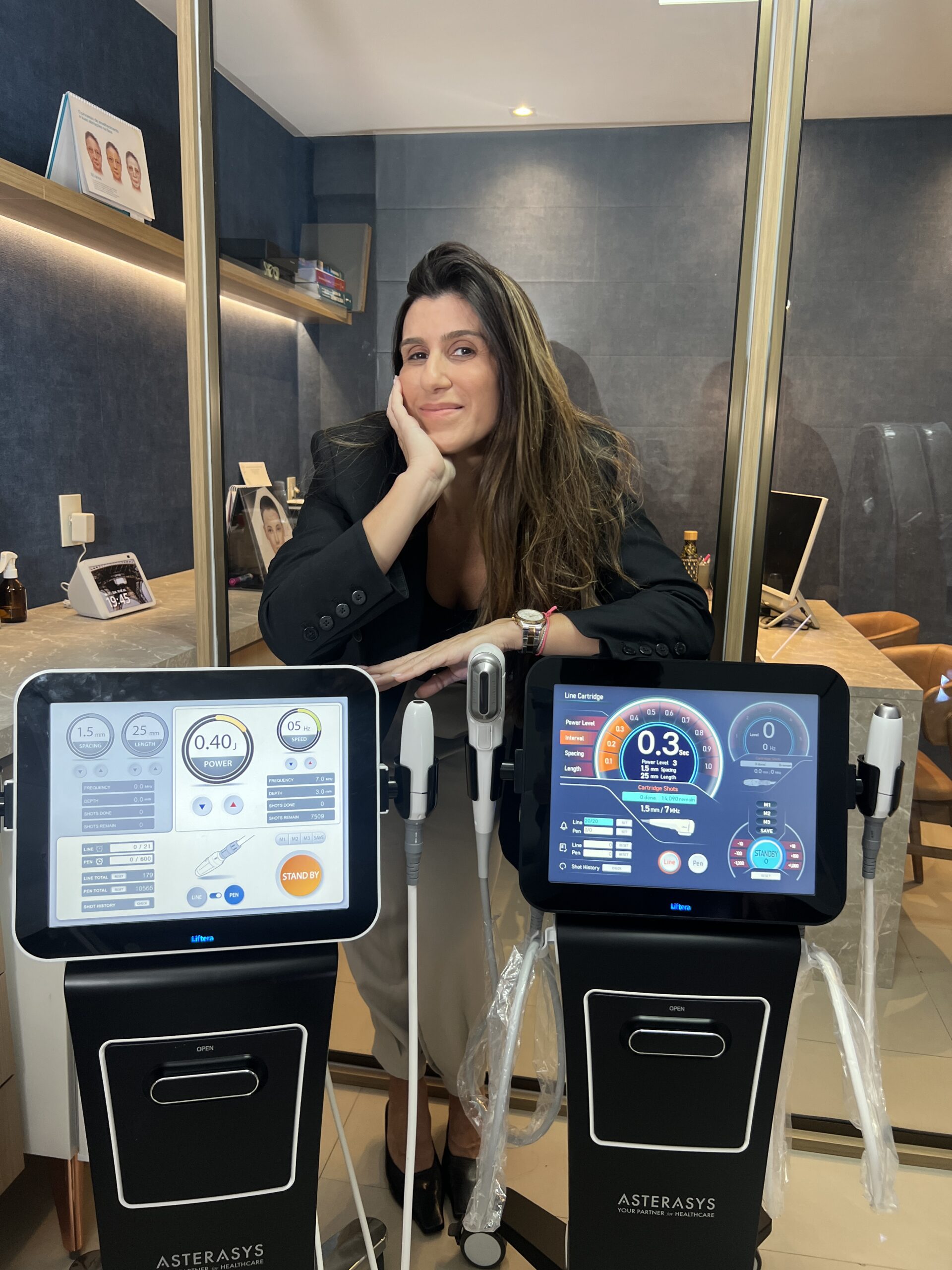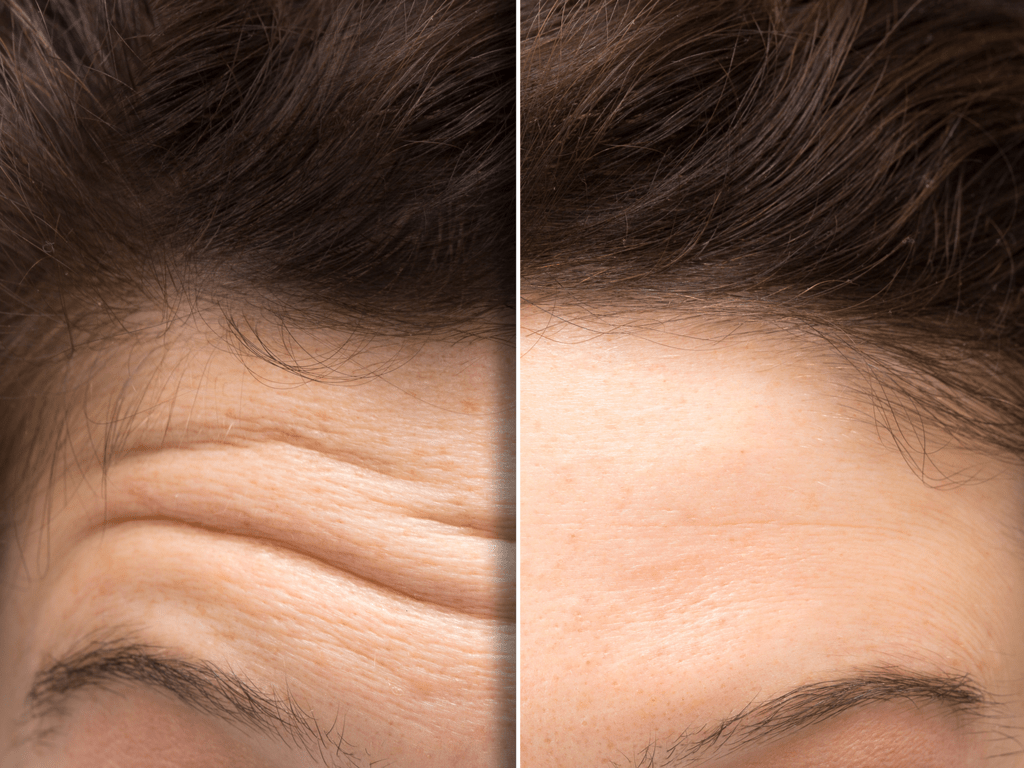
In recent years, microfocused ultrasound has become one of the most sought-after treatments. And with that, different devices have emerged on the market—among them Hipro and Liftera. Both are... HIFU (High-Intensity Focused Ultrasound) They promise firmness, contouring, and collagen stimulation without surgery.
But in clinical practice, the story is different. It's not the name "microfocused ultrasound" that defines the result. It's the technology behind the firing, the precision, the comfort, the international scientific maturity, and the type of professional who operates the device.
As a dermatologist, I will explain to you in a transparent way the differences between the two and why. Liftera remains the preferred choice in leading dermatological clinics. when it comes to natural-looking, non-invasive facelifts.
Schedule your personalized evaluation with Dr. Renata!
Dermatologist at Nova América
What is HIFU microfocused ultrasound and why has it become the gold standard in rejuvenation?
O HIFU microfocused ultrasound It concentrates ultrasonic waves on millimeter-sized points below the skin, generating controlled thermal microlesions at predetermined depths (1,5 mm, 3 mm, 4,5 mm, 6 mm and more).
These microlesions trigger the neocollagenesis (production of new collagen) and reach the high school (Superficial Musculoaponeurotic System) — the same layer manipulated in facial lifting plastic surgery.
The effect? A real facelift, without cuts, without surgical pain, and without disrupting your routine. But within this category, the devices are very different from each other.
Hipro or Liftera: What's the difference?
Not all microfocused ultrasound is the same.. The Liftera 2 is the best choice in micro-focused ultrasound. Korean technology developed by Asterasys with For medical use only.The Hipro device boasts extensive international scientific validation, high safety standards, and precise handpieces that deliver premium-quality facial and body lifting. While versatile and widely distributed in Brazil, it has less scientific maturity and is often operated by non-medical professionals, directly impacting safety and results.
The Hipro: a good device, with a more commercial profile.
O Hyper It is a microfocused ultrasound device distributed by Contourline, which has a strong presence in the Brazilian market. Its selling points are its versatility and the absence of cartridges, which reduces costs for the clinic.
It is widely sold to estheticians, biomedical professionals, dentists (there is a version called Hipro HOF focused on orofacial harmonization), and doctors. It has ANVISA certification and is effective on both face and body.
Does it work? Yes. What I'm evaluating is... another level of demandTechnological maturity, safety in medical hands, and the international scientific basis that underpins each procedure.
Liftera: Korean technology designed for the face.
O Liftera 2 (Liftera Black) It's a microfocused ultrasound. South Korean, developed by Asterasys — the same company behind premium technologies like Futera and Coolfase.
The difference starts here: Liftera is a platform for exclusive medical use.It is not sold to beauticians, dentists, or other non-medical professionals. It is a device designed for dermatological offices and specialized medical clinics.
South Korea is, today, the world's leading authority on non-invasive aestheticsThe K-beauty philosophy prioritizes naturalness, safety, and science — and Liftera was born within this universe.
It is used in thousands of dermatological clinics worldwide and, in Brazil, has become a benchmark among dermatologists who work with serious facial rejuvenation.
Why I choose Liftera for my patients
1. For medical use only.
This, for me, the most important point.
Liftera is a platform designed, distributed, and operated exclusively by physicians. Hipro, while also used by physicians, has wide distribution to non-medical professionals—estheticians, dentists, biomedical professionals, physiotherapists.
Why does this matter to you?
Because microfocused ultrasound works in deep layers of the face and body, where blood vessels, nerves, and structures that support the entire anatomy pass through. Operating a HIFU requires knowledge of:
- Deep anatomy of the face and body
- Identification of risk zones
- Customized depth and power adjustment by region.
- Medical management of adverse events (burns, transient paresis)
- Prior clinical evaluation to identify contraindications.
When the device is designed for medical use and operated by dermatologists, Security is incomparably greater. — and the result is more predictable, more natural, and more consistent.
2. International scientific validation
Classys, the manufacturer of Liftera, is a publicly traded Korean company that invests heavily in clinical research and development. Liftera is extensively studied in international literature, with publications in recognized medical journals and protocols validated in dermatological centers in Korea, the United States, and Europe.
This scientific basis matters because:
- The parameters for energy, depth, and number of shots are proven in clinical studies
- The security profile is known and documented
- The results are reproducible and predictable
Hipro has a significant commercial presence in Brazil, but The international scientific base is significantly smaller. when compared to Liftera.
3. High safety standards
The Liftera has a system of Digital shooting with intelligent thermal control.which delivers the right energy, at the right depth, with the right exposure time. This means two things that matter a lot to you:
- Reduced risk of burns, hyperpigmentation, and collateral thermal damage.
- Less pain during the session.
The Hipro device features DDC (Digital Depth Control) technology, which adjusts depth via software—an interesting proposition. However, depth control is not the same as fine thermal control, and the difference is evident both in session comfort and the safety profile of the procedure.
Is Hipro bad?
No. The Hipro has real merits — especially in body treatments and in clinics seeking versatility. As a multifunctional device, it delivers on its promises.
But, when it comes to your body and your faceI prefer technology with greater scientific maturity, superior safety standards, and exclusively medical use. For me, that standard is Liftera.
Conclusion: Why I choose Liftera for my patients
If you are in doubt between Hipro and LifteraMy answer is straightforward:
The Liftera 2 (Liftera Black) is the best choice in micro-focused ultrasound. Cutting-edge Korean technology, exclusive medical use, extensive international scientific validation, high safety standards, and natural, long-lasting results. This is what I recommend to my patients who want the best in non-invasive aesthetics, with the peace of mind of being in medical hands and using technology backed by genuine science.
Generally speaking, yes. The Liftera 2 has more advanced technology, greater precision, and more refined results for facial sagging.
On the contrary. Precisely because digital shooting With thermal control, the Liftera 2 is usually more confortable that is superior to other HIFU devices on the market. Most patients describe the sensation as "warm, sharp pains," which are bearable and quick.
Liftera 2 is among the most modern and sophisticated technologies available today.
Not entirely. In advanced sagging, surgery is still the gold standard. But Liftera is... the best non-surgical option To treat and prevent mild to moderate sagging with a real lifting effect.
Hipro has wide distribution, including to non-medical professionals. My recommendation as a dermatologist is clear: microfocused ultrasound should be performed by a doctor.Regardless of the device chosen, your safety and your outcome are at stake.


Medical evaluation is essential to understand the patient's complaints, identify dermatological problems, and consider their individual characteristics, such as anatomy, skin type, and reactions to substances used. Based on this, it is possible to determine the appropriate techniques to naturally enhance the features of the face, skin, and body.
Choosing a dermatologist is crucial for a thorough analysis of the areas of disharmony in the patient and to determine the necessary techniques, whether it be increasing volume, correcting angles, or symmetry. With a personalized and exclusive treatment plan, it is possible to meet the specific needs of each patient while respecting their limitations.
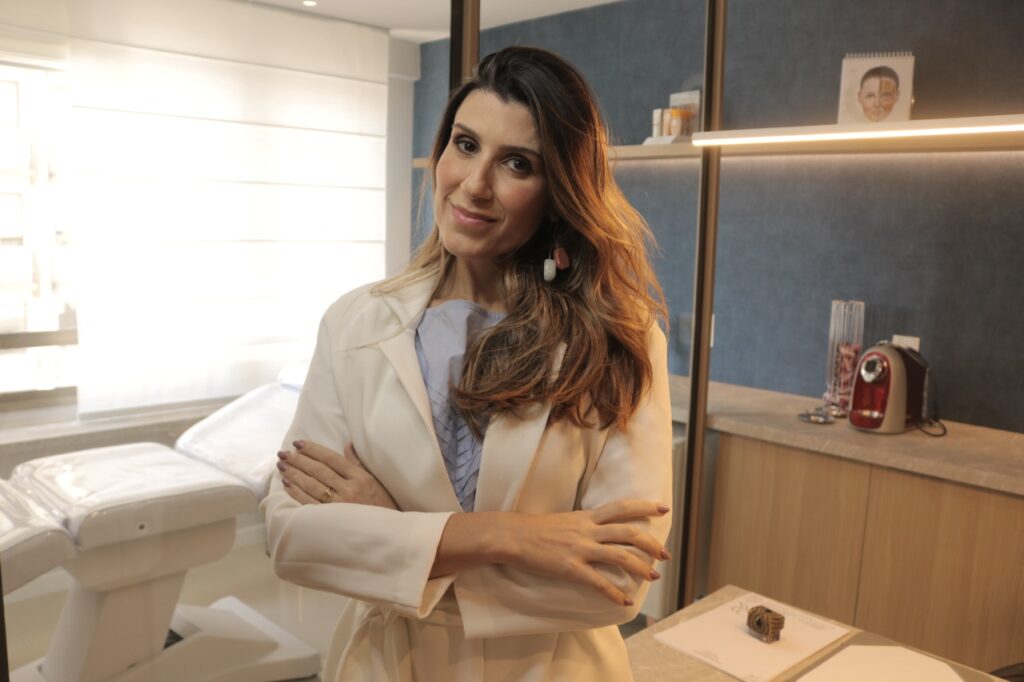
Dr. Renata Ralha, Clinical, Aesthetic and Hair Dermatologist, CRM: 52-84102-1 RJ, RQE No.: 28115
Medical evaluation is essential to understand the patient's complaints, identify dermatological problems, and consider their individual characteristics, such as anatomy, skin type, and reactions to substances used. Based on this, it is possible to determine the appropriate techniques to naturally enhance the features of the face, skin, and body.
Choosing a dermatologist is crucial for a thorough analysis of the areas of disharmony in the patient and to determine the necessary techniques, whether it be increasing volume, correcting angles, or symmetry. With a personalized and exclusive treatment plan, it is possible to meet the specific needs of each patient while respecting their limitations.

Dr. Renata Ralha, Clinical, Aesthetic and Hair Dermatologist, CRM: 52-84102-1 RJ, RQE No.: 28115
Follow our WhatsApp channel: Dr. Renata Ralha!
This channel is for you to stay up-to-date on the best news about... dermatology, aesthetics and skincareIn addition to finding out about all the new publications, promotions and sweepstakes that we offer at the Renata Ralha Clinic!