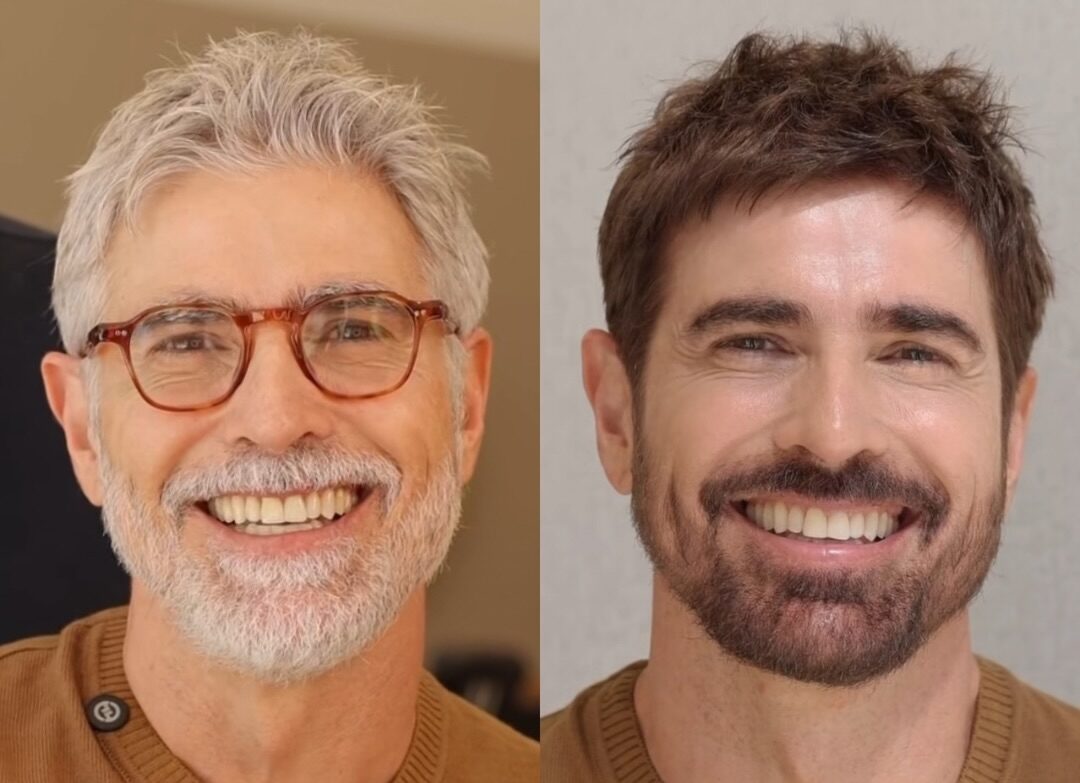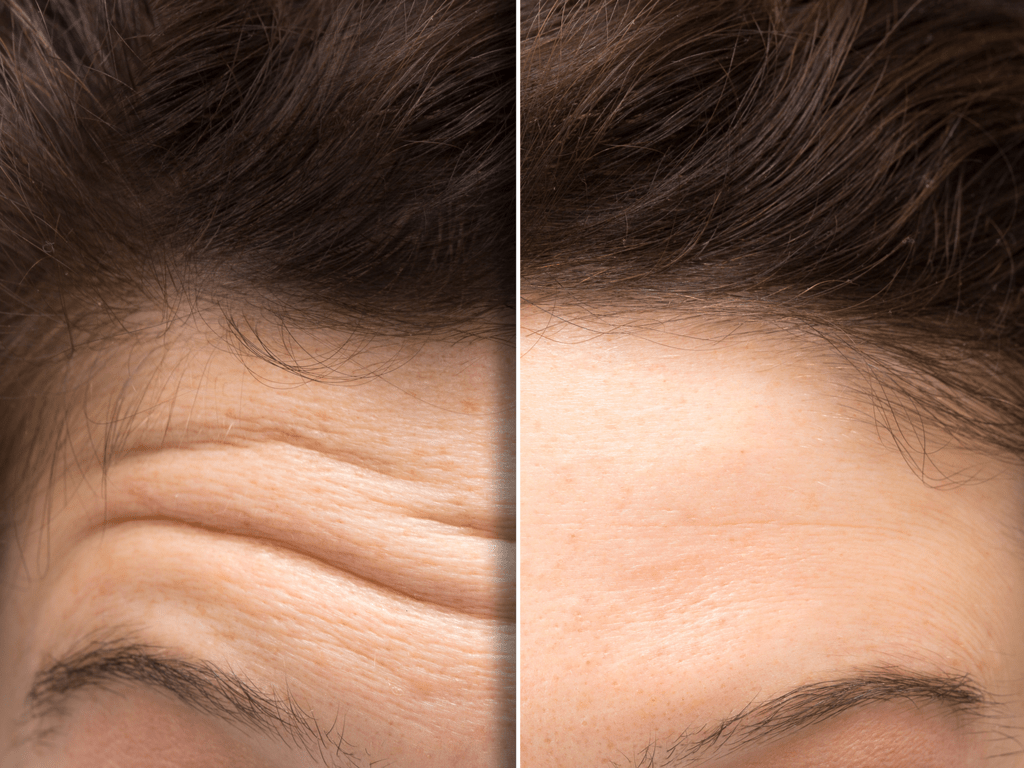
The aging process is natural and inevitable, but how it manifests on the skin varies greatly from person to person. flaccidity Sagging skin is one of the biggest aesthetic concerns associated with aging, and many believe that genetics plays a decisive role in it. But to what extent is sagging skin under our control? While genetics has an influence, there are many external factors that we can manage to... to age in a healthy, beautiful and natural wayThe combination of preventative habits and appropriate aesthetic treatments can make all the difference.
Schedule your personalized evaluation with Dr. Renata!
Dermatologist at Nova América
How does skin lose collagen?
From the age of 25, the body begins to produce less collagen, approximately 1% less each yearCollagen is a fibrous protein that forms the supporting structure of the skin, keeping it firm and elastic. Over time, this reduction causes flaccidity, wrinkles e volume lossThese are visible signs of aging. In addition, other factors, such as sun exposure and lifestyle habits, can accelerate this loss.
Biological Process of Collagen Loss:
- Decrease in Natural ProductionWith aging, the capacity of fibroblasts (cells responsible for collagen production) decreases.
- Fragmentation of Existing CollagenExisting collagen begins to break down over time, losing its original structure.
- Wear and tear of elastin fibersElastin, another protein essential for skin elasticity, also suffers wear and tear, which contributes to a loss of firmness.
Factors that accelerate collagen loss:
- UV exposureThe sun's ultraviolet rays damage collagen and elastin fibers, accelerating aging.
- Oxidative StressExposure to pollutants and free radicals generates oxidative stress, which degrades collagen more rapidly.
- Hormonal FactorsThe reduction in estrogen, especially during menopause, is associated with a drastic drop in collagen production.






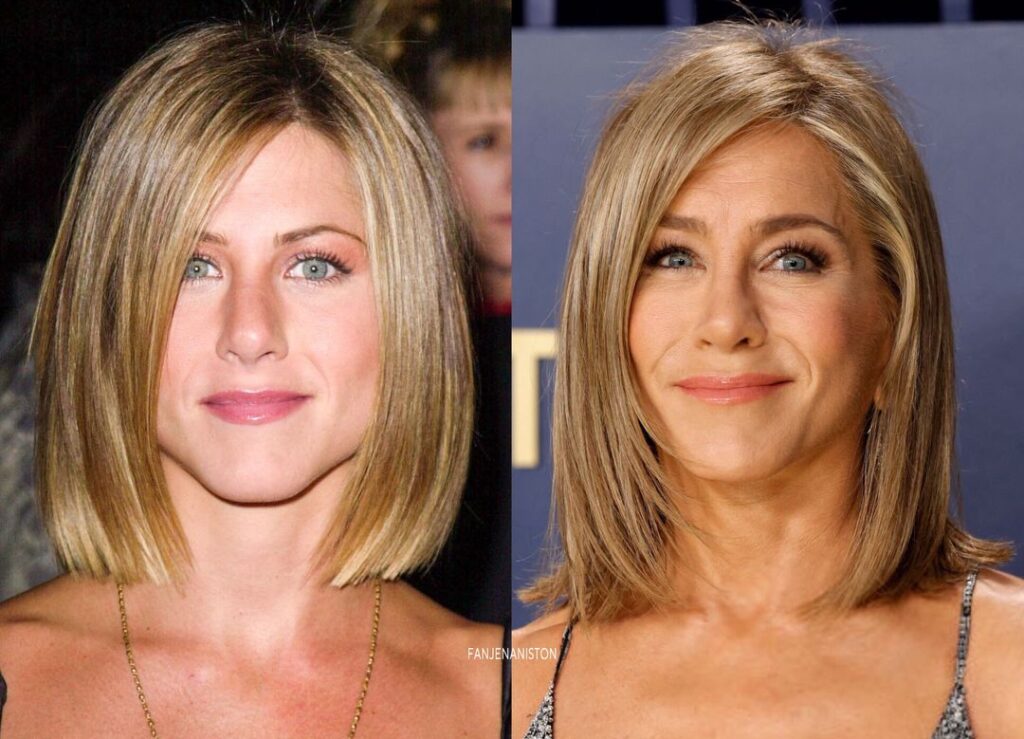
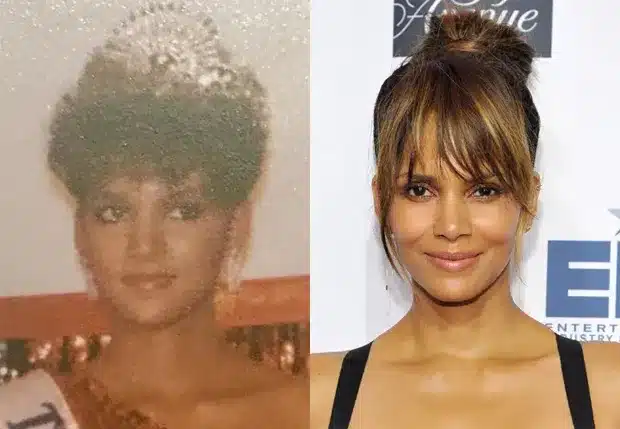






Interesting Facts About Skin Aging
Gravity also influences sagging.
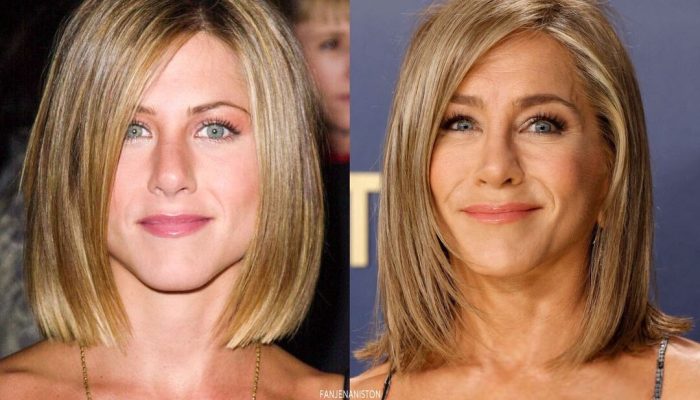
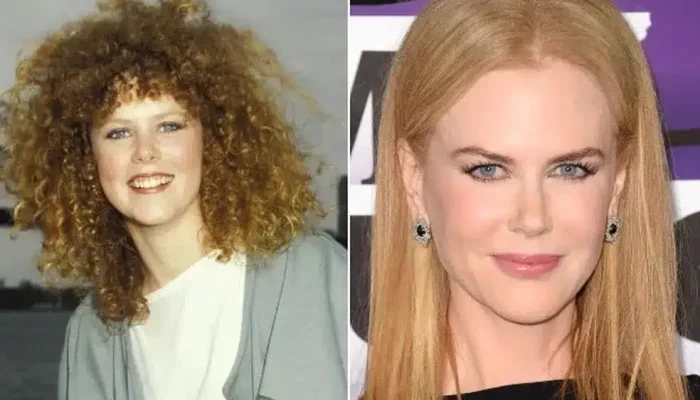
In addition to collagen loss, the strength of gravity It plays a role in skin aging. Over the years, the skin loses its ability to maintain its structure, and gravity causes the most vulnerable areas, such as the face, neck, and thighs, to begin to sag.
Thin Skin Ages Faster
People with thinner skin, especially those with less melanin, tend to lose collagen more quickly and are more prone to wrinkles and sagging. Thicker skin, generally found in people with more melanin, can better resist aging, maintaining firmness for longer.
Genetics Accounts for Only 20-30% of Aging
Although genetics plays a significant role in skin aging, research indicates that 70-80% of skin aging It is caused by environmental factors and lifestyle. This includes sun exposure, diet, sleep habits, and daily skincare. This data reinforces the importance of managing aging through healthy habits and preventative treatments.
The Role of Genetics in Sagging Skin and Aging
Genetics influences aspects such as skin thickness, the rate of collagen degradation, and fat distribution in the body. However, managing aging Preventive care can significantly slow down these processes. Even if you have a genetic predisposition to sagging skin, it's possible to intervene with preventive treatments and lifestyle changes.
Genetic Influence on Skin Aging:
- Hormonal Factors: The reduction of hormones, such as estrogen, during menopause directly affects skin elasticity.
- Collagen Production: The body's ability to produce collagen is partly determined by genetics, but it can be stimulated with non-invasive treatments.
- Facial Fat Distribution: Fat loss in specific areas of the face is genetically programmed, which affects the appearance of sagging skin.
How to Manage Aging and Preserve Collagen?
Although we cannot change our genes, we can managing aging through a series of preventative interventions and healthy habits that preserve collagen and skin firmness.
1. Preventive Treatments
Treating the skin preventively is essential to avoid sagging and reduce the signs of aging without the need for invasive procedures.
- Liftera (Microfocused Ultrasound): It stimulates collagen production in the deeper layers of the skin, making it ideal for preventing and treating sagging.
- Collagen Biostimulators: Products like Sculptra e Radiesse They help to gradually increase collagen production, maintaining firmness.
- Fractional Laser (Etherea): Fractional laser treatment improves skin texture by promoting cell renewal and stimulating collagen production.
- LifteraWhen to Schedule a New Session? Find Out the Ideal Frequency | Click here!
- 10 Benefits of Collagen Biostimulators for Your Skin! Click here!
- Etherea-MX: Discover All the Lasers for Advanced Aesthetic Treatments | Click here!
2. Daily Skin Care
Maintaining a skincare routine is essential for preserving collagen and managing aging effectively.
- Use of Antioxidants: Antioxidants such as vitamins C and E help protect the skin from damage caused by free radicals.
- Sunscreen: Protecting the skin from UV radiation is crucial to avoid collagen degradation and prevent premature aging.
- Hydration: Keeping skin hydrated strengthens collagen fibers, helping to prevent sagging.
- Discover Your Perfect Skincare Routine: The Ultimate Product Chart for Your Routine | Click here!
3. Healthy Lifestyle
Healthy habits, such as a nutrient-rich diet, regular exercise, and avoiding smoking, have a direct impact on skin quality.
- Diet Rich in Collagen: Consuming foods rich in collagen and antioxidants helps maintain firm and healthy skin.
- Quality Sleep: During sleep, the body regenerates and collagen is produced. Sleeping well is essential for healthy skin.
- The Best Procedures for Mature Skin: Maintaining Beauty at 40+ | Click here!
Conclusion: Sagging Skin and Genetics, What Is Under Our Control?
Although genetics influences skin aging, it is possible managing aging Adopting healthy habits and undergoing preventative treatments helps maintain skin firmness and delay signs of sagging, ensuring a smoother, more natural, and healthier aging process. With the right interventions, it's possible to age beautifully and subtly, without resorting to invasive procedures in the future.
Want to know how to manage your skin's aging process? Schedule your free consultation with Dr. [Name]. Renata Ralha!
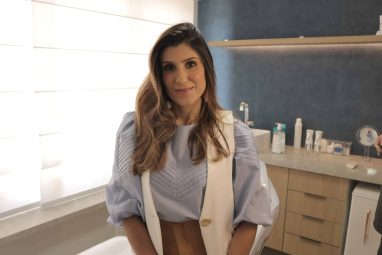

Medical evaluation is essential to understand the patient's complaints, identify dermatological problems, and consider their individual characteristics, such as anatomy, skin type, and reactions to substances used. Based on this, it is possible to determine the appropriate techniques to naturally enhance the features of the face, skin, and body.
Choosing a dermatologist is crucial for a thorough analysis of the areas of disharmony in the patient and to determine the necessary techniques, whether it be increasing volume, correcting angles, or symmetry. With a personalized and exclusive treatment plan, it is possible to meet the specific needs of each patient while respecting their limitations.
Dr. Renata Ralha Clinical, Aesthetic and Hair Dermatologist, CRM: 52-84102-1 RJ, RQE No.: 28115
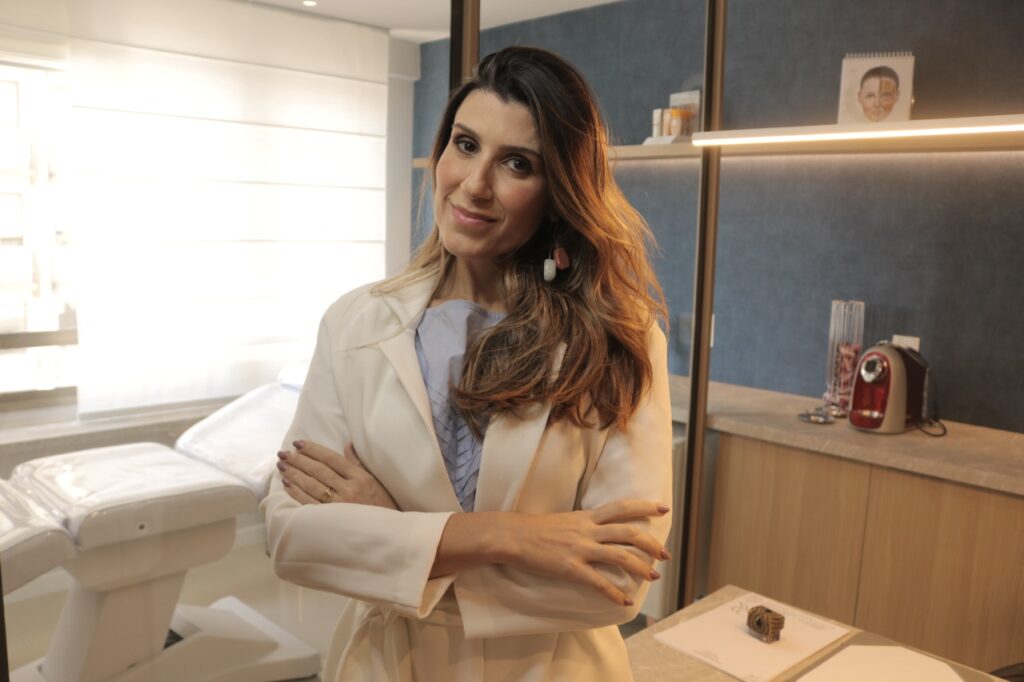
Medical evaluation is essential to understand the patient's complaints, identify dermatological problems, and consider their individual characteristics, such as anatomy, skin type, and reactions to substances used. Based on this, it is possible to determine the appropriate techniques to naturally enhance the features of the face, skin, and body.
Choosing a dermatologist is crucial for a thorough analysis of the areas of disharmony in the patient and to determine the necessary techniques, whether it be increasing volume, correcting angles, or symmetry. With a personalized and exclusive treatment plan, it is possible to meet the specific needs of each patient while respecting their limitations.

Dr. Renata Ralha Clinical, Aesthetic and Hair Dermatologist, CRM: 52-84102-1 RJ, RQE No.: 28115
Follow our WhatsApp channel: Dr. Renata Ralha!
This channel is for you to stay up-to-date on the best news about... dermatology, aesthetics and skincareIn addition to finding out about all the new publications, promotions and sweepstakes that we offer at the Clinic Renata Ralha!