Did you know that chemical peels are one of the most sought-after treatments for skin renewal and addressing various conditions such as blemishes, fine lines, and acne? I'm Dr. Renata Ralha, a dermatologist specializing in aesthetics, and in this blog I'll tell you everything you need to know about this procedure. If you're looking for healthier, more even-toned, and radiant skin, keep reading!
Schedule your personalized evaluation with Dr. Renata!
Dermatologist at Nova América
What is a chemical peel? What is a chemical peel used for?
Chemical peeling is a dermatological procedure that uses specific acids to promote cell renewal, improving skin texture and tone. It acts on the superficial, middle, or deep layers of the skin, depending on the treatment goal, helping to treat:
- Sun spots and melasma.
- Active acne and acne scars.
- Fine lines and wrinkles.
- Uneven skin texture.
- Enlarged pores.
How does a chemical peel work?
Chemical peels utilize acids such as glycolic, salicylic, mandelic, and trichloroacetic (TCA) acids. After application, the acids cause controlled exfoliation of the skin, stimulating the regeneration of new cells. This process improves the production of collagen and elastin, leaving the skin firmer and more even.
What are the types of chemical peels?
1. Superficial peeling
- Used to treat light blemishes, acne, and improve skin texture.
- Recovery time: 2 to 5 days.
- Example: Glycolic and mandelic acids.
2. Medium peeling
- Recommended for fine wrinkles and deeper blemishes.
- Recovery time: 5 to 7 days.
- Example: Trichloroacetic acid (TCA).
3. Deep peeling
- Focused on intense rejuvenation and the treatment of deep scars.
- Recovery time: up to 14 days.
- Example: Phenol.
Phenol Peeling Banned by ANVISA: Understand the Risks and Alternatives | Click here!
What are the benefits of chemical peels?
- Evens out skin tone.
- Reduces sun spots and melasma.
- It softens wrinkles and fine lines.
- It treats acne and scars.
- It improves skin texture and radiance.
Who can undergo a chemical peel?
Chemical peels are indicated for people who wish to improve the appearance of their skin and treat problems such as blemishes, acne, and premature aging. Before the procedure, it is essential to have an evaluation to determine the most suitable type of peel for your case.
How to Reduce Enlarged Pores: Tips and Treatments | Click here!
What precautions should be taken before and after a chemical peel?
Before the peel:
- Discontinue use of topical acids 7 days prior.
- Avoid sun exposure.
- Use sunscreen daily.
After the peel:
- Hydration is essential for recovery.
- Do not remove the flaking manually.
- Reinforce the use of sunscreen with SPF 50+.
- Avoid invasive procedures during recovery.
Can chemical peels be combined with other treatments?
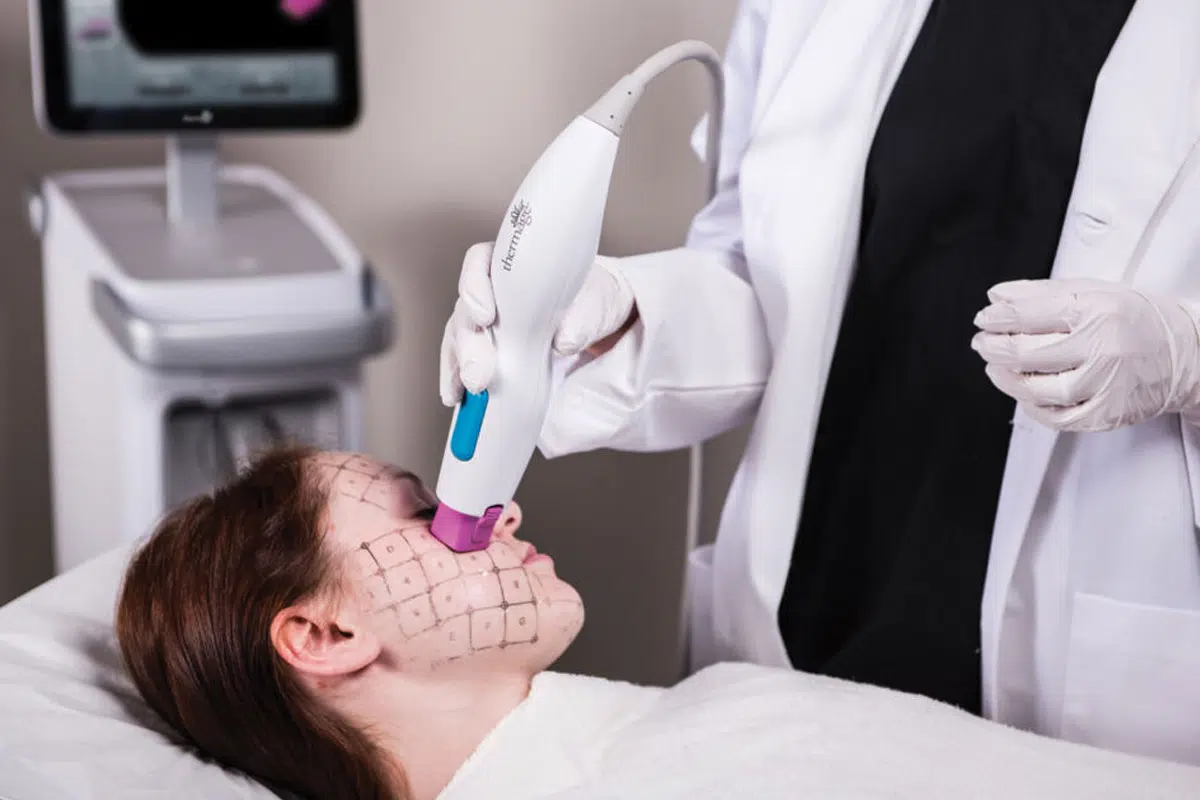
Yes, chemical peels can be combined with collagen biostimulators, such as Sculptra, or technologies like Liftera. These combinations enhance results and promote more complete rejuvenation.
How long does it take to see results from a chemical peel?
Results vary depending on the type of peel, but are generally visible after the skin has fully recovered, around 7 to 14 days. For lasting results, a regular skincare and maintenance routine is recommended.
How many chemical peel sessions are needed?
The number of sessions depends on the treatment goal and the type of peel. Generally, mild treatments require 3 to 6 sessions with intervals of 15 to 30 days.
How long does it take to see results from a chemical peel?
Initial results can be seen after complete healing, usually within 1 to 2 weeks. Continued improvements may occur in the following weeks.
Conclusion:
Chemical peels are an excellent option for those seeking to renew their skin safely and effectively. With different types and applications, they can meet your specific needs, from reducing blemishes to deep rejuvenation. Schedule a consultation with me and discover how a chemical peel can transform the health and beauty of your skin!
Schedule a consultation at the Renata Ralha Clinic and discover how a peel can be the first step towards healthier, more beautiful skin!


Medical evaluation is essential to understand the patient's complaints, identify dermatological problems, and consider their individual characteristics, such as anatomy, skin type, and reactions to substances used. Based on this, it is possible to determine the appropriate techniques to naturally enhance the features of the face, skin, and body.
Choosing a dermatologist is crucial for a thorough analysis of the areas of disharmony in the patient and to determine the necessary techniques, whether it be increasing volume, correcting angles, or symmetry. With a personalized and exclusive treatment plan, it is possible to meet the specific needs of each patient while respecting their limitations.
Dr. Renata Ralha, Clinical, Aesthetic and Hair Dermatologist, CRM: 52-84102-1 RJ, RQE No.: 28115


Dr. Renata Ralha, Clinical, Aesthetic and Hair Dermatologist, CRM: 52-84102-1 RJ, RQE No.: 28115
Follow our WhatsApp channel: Dr. Renata Ralha!
This channel is for you to stay up-to-date on the best news about... dermatology, aesthetics and skincareIn addition to finding out about all the new publications, promotions and sweepstakes that we offer at the Renata Ralha Clinic!