O Chinese mustache, technically called nasolabial foldThis is one of the most frequent complaints among patients seeking facial rejuvenation. It forms from a combination of factors such as collagen loss, sagging of facial tissues, repetitive muscle movement e thinning of the skin over time.
A common mistake is trying to "erase" nasolabial folds simply by filling them in. In practice, this often leads to artificial results, facial heaviness, and even an aged appearance. Effective treatment of nasolabial folds depends on understanding... why did he appear e which structure needs to be treated.
Next, I will explain what they are. 5 most effective procedures for nasolabial foldswhen each one works best and how the right combination makes all the difference in the final result.
Schedule your personalized evaluation with Dr. Renata!
Dermatologist at Nova América
What is the best procedure for treating nasolabial folds?
There is no single ideal procedure for all cases. Nasolabial folds can be caused by:
-
Loss of volume and support in the face.
-
Sagging and drooping of the mid-face
-
Excessive muscle movement
-
Thinning of the skin and loss of collagen.
Therefore, the best treatment is the one that acts the cause of the furrowand not just on the visible line.
Does hyaluronic acid filler resolve nasolabial folds?
O hyaluronic acid filler It can improve the appearance of nasolabial folds, but it should be used judiciously. Today, the modern approach avoids directly filling the fold in isolation.
Fillers are most effective when:
-
It acts on the support points of the face.
-
Repositions tissues that have "fallen off".
-
It is done in a thorough and strategic way.
When applied directly to the wrinkle, without correcting sagging and facial structure, it can leave the face looking heavy and artificial.
Do collagen biostimulators help with nasolabial folds?
Os collagen biostimulatorsDermatological treatments, such as Sculptra and Radiesse, are fundamental in the treatment of nasolabial folds caused by... loss of firmness and thinning of the skin.
They act as:
-
Stimulating new collagen
-
Improving the region's sustainability
-
Reducing the depth of the furrow over time
They are primarily indicated when the nasolabial fold is not just a "wrinkle," but part of an overall facial aging process.
Does microfocused ultrasound (Liftera) improve nasolabial folds?
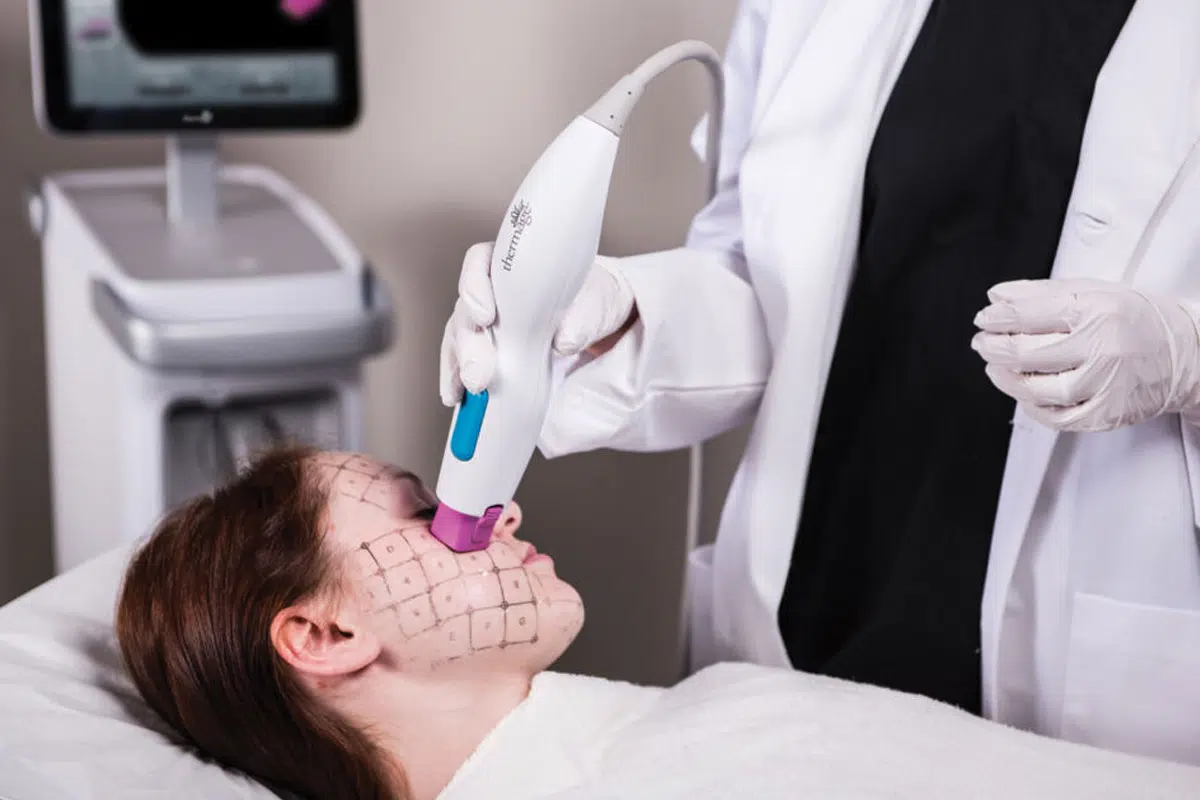
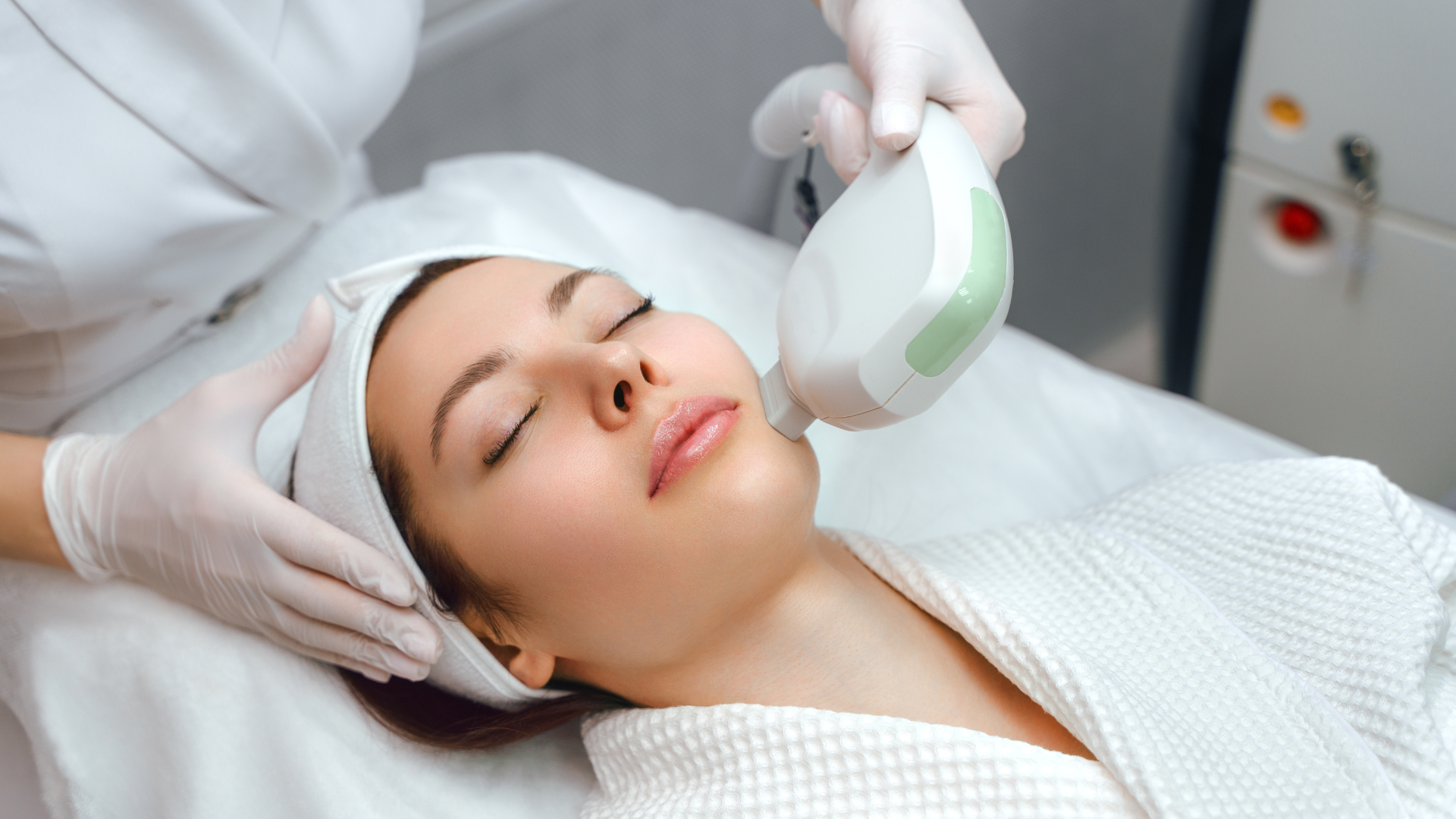
O microfocused ultrasoundLike Liftera, it acts on the deeper layers of the skin, promoting lifting effect and collagen stimulation.
It is indicated when nasolabial folds are associated with:
-
Drooping of the mid-face
-
Mild to moderate sagging
-
Loss of definition in facial contours
Liftera doesn't fill in the nasolabial folds, but it improves facial support, which naturally reduces the appearance of nasolabial folds.
Does Botox work for nasolabial folds?
A botulinum toxin (Botox) It is not the primary treatment for nasolabial folds, but it can be an excellent complement in specific cases.
It is useful when:
-
There is excessive muscle traction that accentuates the groove.
-
The movement in the region contributes to the deepening
-
It is part of a global harmonization plan.
Botox alone won't correct nasolabial folds, but it can help balance muscle forces that worsen their appearance.
Can laser treatment help smooth out nasolabial folds?
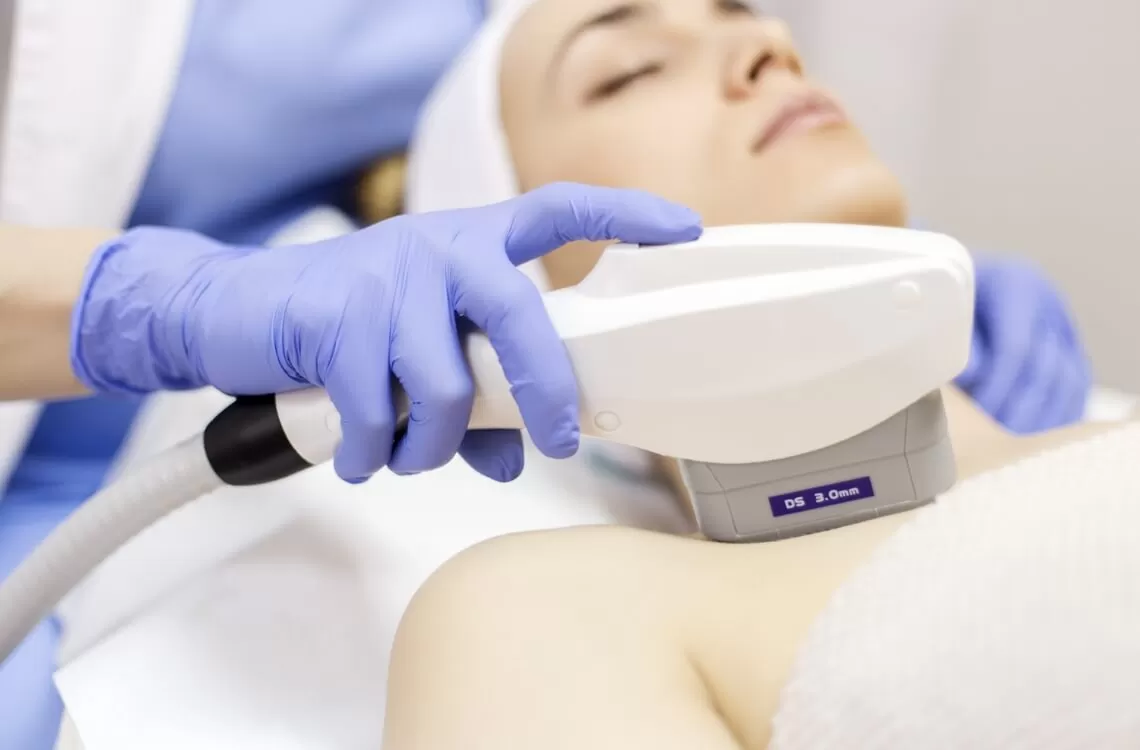
Os dermatological lasers They act by improving the skin quality, texture and superficial collagen stimulation.
They are indicated when:
-
The Chinese mustache is more superficial.
-
The skin is thin and scarred.
-
It is associated with spots or uneven texture.
Laser treatment does not replace structural treatments, but it complements the results very well.
What are the myths and truths about the nasolabial folds (or "Chinese mustache")?
-
Myth: Only older people develop nasolabial folds (or "laugh lines")
Truth: Although more common with aging, genetic factors and habits can bring on its onset earlier.
-
Myth: Anti-wrinkle creams completely eliminate nasolabial folds.
Truth: Creams can soften the appearance of lines, but professional treatments are more effective for significant results.
Understanding nasolabial folds and their causes allows one to adopt preventative measures and seek appropriate treatments, promoting a younger and healthier appearance.
Conclusion
For a personalized assessment and recommendation of the best treatment for nasolabial folds, schedule a consultation with me. Follow our social media for more tips and news about skincare.
-
What causes nasolabial folds?
Loss of collagen, sagging skin, facial drooping, and repetitive movements.
-
Does filler alone solve the problem of nasolabial folds?
Not always. In isolation, it can generate excess volume.
-
Does biostimulator work for nasolabial folds?
Yes, especially when there is a loss of firmness and collagen.
-
Does Liftera help improve nasolabial folds?
Yes, by promoting facial lifting and support.
-
Can Botox worsen nasolabial folds?
If used incorrectly, it can disrupt muscle balance.
-
Laser treatment for deep nasolabial folds?
Not on its own. It works best on skin texture.
-
What is the most modern treatment for nasolabial folds?
Combination of technologies, biostimulation and strategic filling.
-
Does the Chinese mustache always come back?
Aging continues, so maintenance is necessary.
-
Is there a right age to start treatment?
No. Ideally, treatment should be tailored to the type and cause of the furrow.
-
Is it possible to treat it without it looking artificial?
Yes, when the treatment respects anatomy and individuality.

Medical evaluation is essential to understand the patient's complaints, identify dermatological problems, and consider their individual characteristics, such as anatomy, skin type, and reactions to substances used. Based on this, it is possible to determine the appropriate techniques to naturally enhance the features of the face, skin, and body.
Choosing a dermatologist is crucial for a thorough analysis of the areas of disharmony in the patient and to determine the necessary techniques, whether it be increasing volume, correcting angles, or symmetry. With a personalized and exclusive treatment plan, it is possible to meet the specific needs of each patient while respecting their limitations.
Dr. Renata Ralha, Clinical, Aesthetic and Hair Dermatologist, CRM: 52-84102-1 RJ, RQE No.: 28115
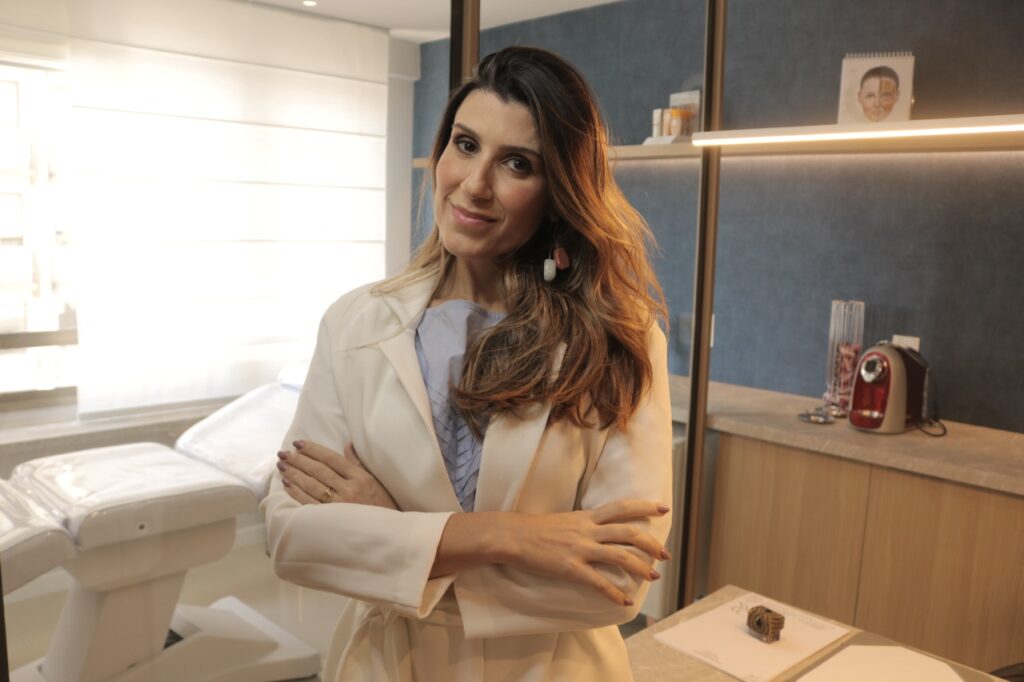

Dr. Renata Ralha, Clinical, Aesthetic and Hair Dermatologist, CRM: 52-84102-1 RJ, RQE No.: 28115
Follow our WhatsApp channel: Dr. Renata Ralha!
This channel is for you to stay up-to-date on the best news about... dermatology, aesthetics and skincareIn addition to finding out about all the new publications, promotions and sweepstakes that we offer at the Renata Ralha Clinic!