Rosacea is a chronic skin condition that affects millions of people worldwide, causing redness, sensitivity, and in some cases, small pimple-like lesions. In this comprehensive guide, you will discover answers to your main questions, learn about preventative measures, and discover treatment options to effectively manage rosacea.
Schedule your personalized evaluation with Dr. Renata!
Dermatologist at Nova América
What is rosacea and what are its main symptoms?
Rosacea is a chronic inflammatory disease that primarily affects the central region of the face (cheeks, nose, forehead, and chin). Among the most common symptoms are:
- Persistent redness on the face
- Burning or stinging sensation
- Small visible blood vessels (telangiectasias)
- Papules and pustules (small red bumps that may contain pus)
- Sensitive skin prone to irritation.
It is important to emphasize that the signs can vary from person to person and may appear with different intensities over time.
- Skin Blemishes: Care and Treatments That Work | Click here!
- Liftera or Ultraformer? Which is the best Microfocused Ultrasound? Click here!
What are the causes and risk factors of rosacea?
Rosacea does not have a single defined cause. However, research indicates that genetic and environmental factors may influence the development of the condition. Some possible triggers are:
- Genetic predispositionIf there is a family history, the risk of developing rosacea may be higher.
- Immune system: changes in the body's inflammatory response.
- Skin mites (Demodex folliculorum)In some people, there is a higher concentration of these microorganisms, which can worsen the inflammation.
- External factorsExcessive sun exposure, sudden temperature changes, wind, and pollution.
- LifestyleAlcohol consumption, spicy foods, caffeine, and stress can trigger attacks.
What are the types of rosacea?
Rosacea is usually classified into four main subtypes, each with specific characteristics:
- Erythematotelangiectatic: characterized by redness and visible blood vessels.
- PapulopustularIt presents with papules and pustules similar to acne, in addition to redness.
- Phymatous (or rhinophyma): characterized by thickening of the skin and irregularities, especially on the nose.
- OcularIt affects the eye area and can cause irritation, redness, and inflammation of the eyelids.
Identifying the subtype helps to guide the ideal treatment, as each one requires specific care.
How do I know if I have rosacea or acne?
This is a very common question. Although papulopustular rosacea can resemble acne, there are some important differences:
- LocationRosacea usually concentrates in the central region of the face, while acne can appear in various areas, including the back and chest.
- Absence of blackheadsIn rosacea, the blackheads (black or whiteheads) typical of acne are not common.
- Skin sensitivitySkin with rosacea is much more reactive to cosmetic products and environmental factors.
If you notice prolonged redness and sensitivity, it is essential to consult a dermatologist for a proper diagnosis.
How is rosacea diagnosed?
There is no specific laboratory test to identify rosacea. The diagnosis is usually clinical, made by a dermatologist who assesses the skin, symptoms, and patient history. In some cases, tests may be ordered to rule out other similar skin conditions.
Is rosacea curable or can it only be controlled?
Rosacea is considered a chronic condition, that is, There is no definitive cure.It is a common skin condition, but it can be effectively controlled with the right approaches. Proper treatment, lifestyle changes, and regular follow-up with a dermatologist are essential to keep the skin free from more severe flare-ups.
What are the most effective treatments for rosacea?
Treatment for rosacea varies depending on the subtype and severity of each case, and may involve:
- Topical creams and gelsCompounds containing metronidazole, ivermectin, or azelaic acid may help reduce inflammation and redness.
- Oral antibioticsIn more severe cases, the use of antibiotics such as doxycycline may be indicated to control inflammatory flare-ups.
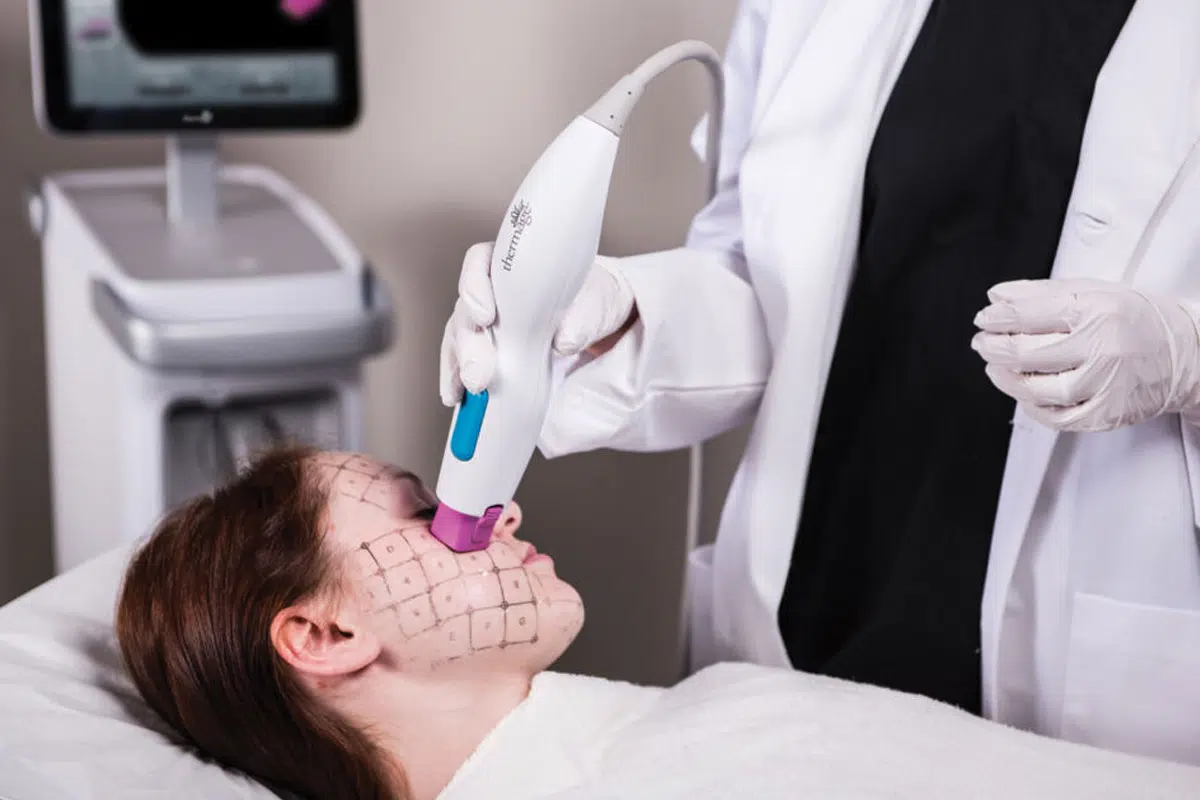
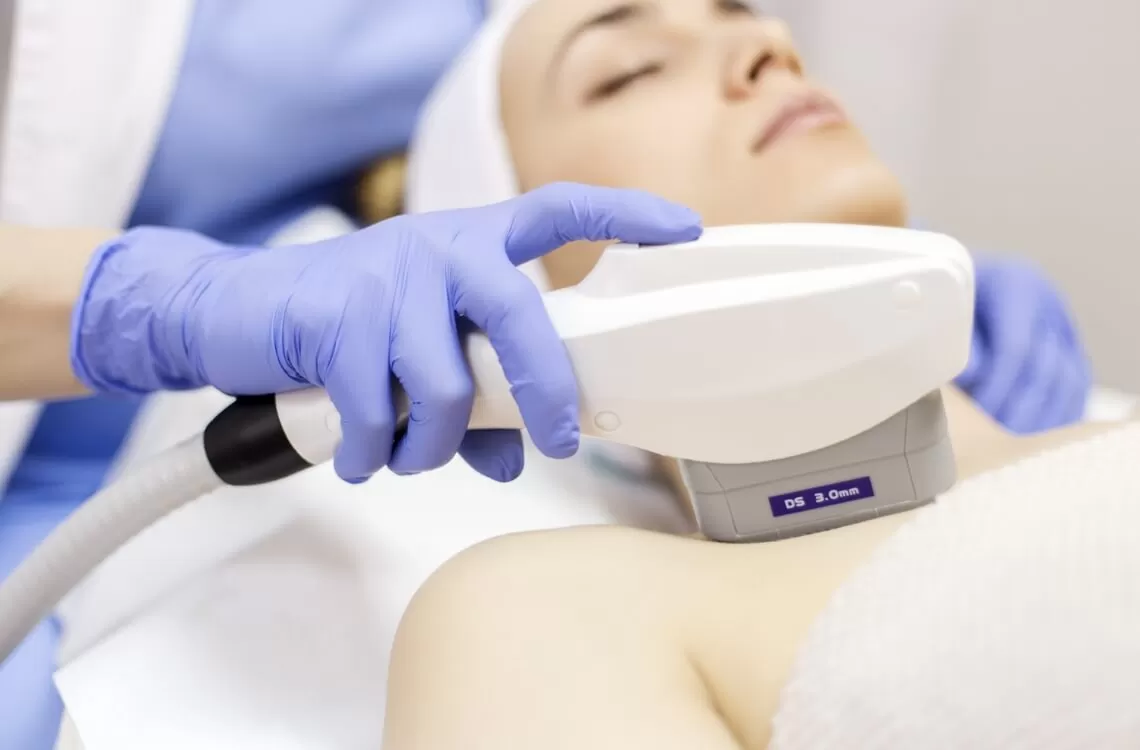
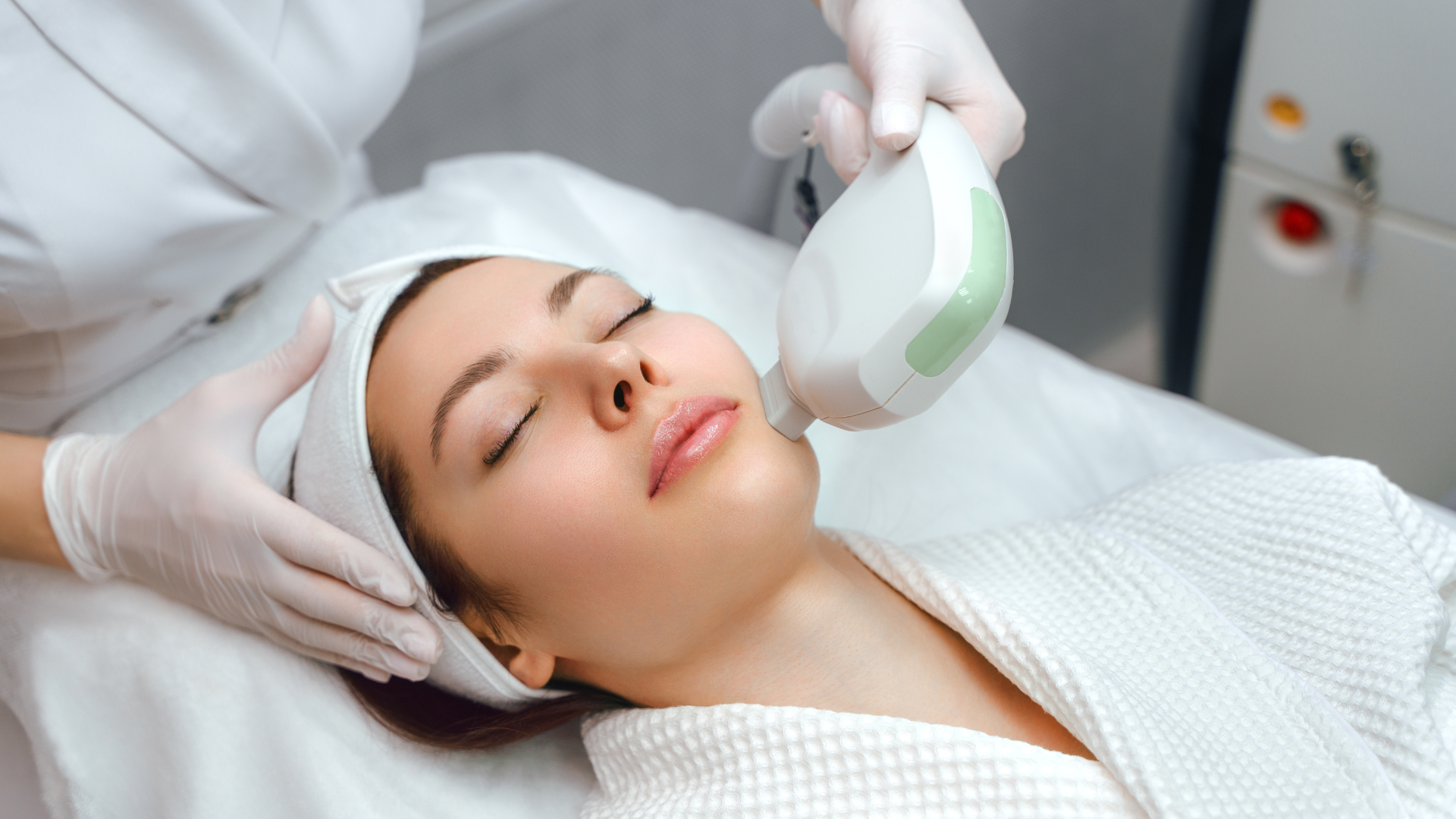
- Laser and pulsed lightProcedures aimed at reducing visible blood vessels and persistent redness.
- IsotretinoinIn specific situations and under strict medical supervision, it can be used to control inflammation and pustules.
It is essential to follow the dermatologist's instructions to obtain the best results in the treatment of rosacea.
What foods should be avoided by people with rosacea?
Some foods and drinks can trigger or worsen rosacea flare-ups. While it varies from person to person, it's worth avoiding or consuming in moderation:
- Very hot or spicy foods
- Alcoholic beverages (mainly red wine)
- Coffee or drinks with excessive caffeine
- Milk chocolate in large quantities (may vary from person to person)
Keeping a food diary to record what you ate and any skin reactions can be a great way to identify individual triggers.
How to care for sensitive skin with rosacea on a daily basis?
- Gentle hygieneUse soaps and cleansing lotions for sensitive skin or specifically for rosacea.
- Daily hydrationChoose products that are free of fragrances and irritating ingredients, such as alcohol and parabens.
- Solar protectionUse a broad-spectrum sunscreen (SPF 30 or higher), preferably a physical one (containing zinc oxide or titanium dioxide).
- Avoid harsh exfoliation.Prefer gentle chemical exfoliants and always follow medical advice.
- Hypoallergenic makeupOpt for foundations and concealers formulated for sensitive skin, and always remove your makeup before going to sleep.
How to manage self-esteem and well-being when you have rosacea?
Rosacea can impact self-esteem, especially during flare-ups when redness becomes more noticeable. To better manage the condition:
- Acceptance and informationUnderstand that rosacea is common and manageable.
- emotional supportConsider seeking support groups or a mental health professional if the emotional impact is too great.
- Self-care routineTaking care of your skin every day, maintaining a balanced diet, and engaging in physical activity help reduce stress and, consequently, flare-ups.
Conclusion:
Rosacea doesn't have to limit your life or affect your self-confidence. With proper treatment, daily care, and professional follow-up, it's possible to maintain healthy skin and minimize flare-ups. Remember that everyone responds differently, so ideally, seek guidance from a dermatologist for a personalized care plan.
Expert tipIf you notice any sudden changes in your skin, seek medical attention immediately. Only a professional can assess the situation and recommend the appropriate treatment.
If you have any questions or would like to share your experience, leave a comment below. Our team is ready to help you find the best solutions for rosacea skin care!

Medical evaluation is essential to understand the patient's complaints, identify dermatological problems, and consider their individual characteristics, such as anatomy, skin type, and reactions to substances used. Based on this, it is possible to determine the appropriate techniques to naturally enhance the features of the face, skin, and body.
Choosing a dermatologist is crucial for a thorough analysis of the areas of disharmony in the patient and to determine the necessary techniques, whether it be increasing volume, correcting angles, or symmetry. With a personalized and exclusive treatment plan, it is possible to meet the specific needs of each patient while respecting their limitations.
Dr. Renata Ralha, Clinical, Aesthetic and Hair Dermatologist, CRM: 52-84102-1 RJ, RQE No.: 28115
Medical evaluation is essential to understand the patient's complaints, identify dermatological problems, and consider their individual characteristics, such as anatomy, skin type, and reactions to substances used. Based on this, it is possible to determine the appropriate techniques to naturally enhance the features of the face, skin, and body.
Choosing a dermatologist is crucial for a thorough analysis of the areas of disharmony in the patient and to determine the necessary techniques, whether it be increasing volume, correcting angles, or symmetry. With a personalized and exclusive treatment plan, it is possible to meet the specific needs of each patient while respecting their limitations.

Dr. Renata Ralha, Clinical, Aesthetic and Hair Dermatologist, CRM: 52-84102-1 RJ, RQE No.: 28115
Follow our WhatsApp channel: Dr. Renata Ralha!
This channel is for you to stay up-to-date on the best news about... dermatology, aesthetics and skincareIn addition to finding out about all the new publications, promotions and sweepstakes that we offer at the Renata Ralha Clinic!