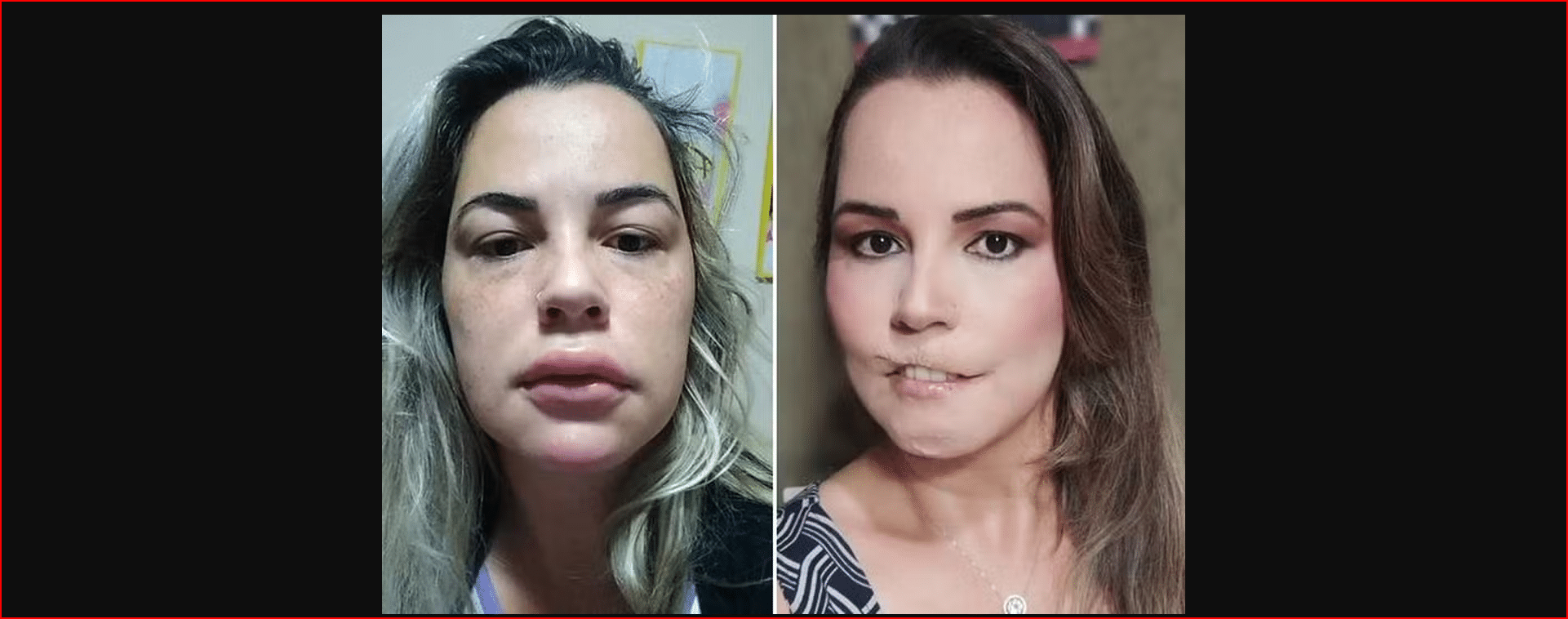

This is one of the most important blog posts I write. And now, more urgent than ever: on Tuesday, 26 May 2026, the makeup artist Roseli Fernandes de Oliveira Romeiro Vieira, 48, died after a cosmetic procedure using PMMA in São Paulo.A few days earlier, reporter Ju Massaoka, from the Globo program Mais Você, said on national television that He almost lost his nose. after discovering that she had received PMMA without consent during a rhinoplasty.
Two cases. A few days apart. Same substance. And an urgent lesson: Aesthetic PMMA is a risk that is not worth it..
As a dermatologist and full member of the Brazilian Society of Dermatology, I will explain exactly what PMMA is, what is happening, what the real risks are, and what to do (or avoid) to protect yourself.
Schedule your personalized evaluation with Dr. Renata!
Dermatologist at Nova América
What is PMMA and what are the risks?
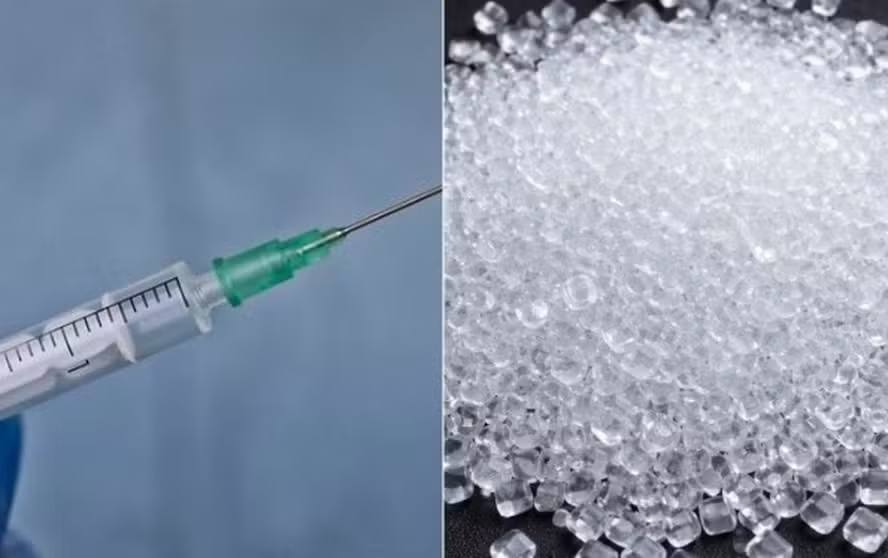
PMMA (polymethyl methacrylate) is a plastic substance in the form of microspheres, originally approved only for correcting facial deformities in HIV patients (lipodystrophy), but widely and irregularly used as a cosmetic filler in Brazil. By not to be absorbed by the bodyIts application is practically irreversible and can cause serious complications: nodules, granulomas, infections, necrosis, embolisms, kidney failure and even deathsOn May 26, 2026, a makeup artist died in São Paulo less than 24 hours after receiving PMMA injections in her buttocks and thighs. The Brazilian Society of Dermatology (SBD), the Brazilian Society of Plastic Surgery (SBCP), and the Federal Council of Medicine (CFM) advise against the cosmetic use of PMMA., and Anvisa is considering banning the substance for cosmetic purposes.
The Roseli Fernandes case: makeup artist dies in São Paulo after PMMA (prohibition of suicide by MMA).
The most recent case — and perhaps the most symbolic of the danger of PMMA — happened a few hours ago. Makeup artist Roseli Fernandes de Oliveira Romeiro Vieira, 48, died on Tuesday morning (May 26) after falling ill following a cosmetic procedure involving PMMA injections in São Paulo. She had undergone body contouring on her buttocks and the back of her thighs on Monday (May 25), in a commercial space in Brooklin, in the southern part of the city.
According to the police report, the doctor injected 120 ml of the substance into each of the woman's buttocks, plus 30 ml into the back of her thighs. Approximately 100 syringes of 3 ml were used to perform the procedure. The doctor stated that she applied PMMA gel within the maximum measurements stipulated by the regulations — but the substance used in the procedure is contraindicated by the Federal Council of Medicine. The police are investigating the case.
Roseli and her daughter had traveled from Mato Grosso do Sul to São Paulo. exclusively for performing the procedure.She had already undergone the same type of procedure two years prior with another doctor—which shows that PMMA also accumulates with each new session.
The Ju Massaoka case: PMMA without consent in rhinoplasty.
A few days earlier, in May 1, 2026Reporter Ju Massaoka, from the program Mais Você (Globo), revealed something on national television that shocked the country. She almost suffered necrosis in her nose after discovering that a doctor had applied PMMA, a permanent filler composed of acrylic microspheres, during a rhinoplasty surgery performed years ago. She was unaware that the substance had been used.
Ju only discovered the problem after undergoing another surgery, this time to correct a deviated septum. The procedure, which should have been simple, ended up taking longer because it was necessary to remove the material and reconstruct part of her nose using bone taken from one of her ribs.
After the corrective surgery, the reporter's nose turned purple, almost blue. Doctors identified a high risk of necrosis. Massaoka stated that she could have lost her nose because of the mistake she made in the past. To reconstruct the affected area, doctors had to remove bone material from her rib and muscles.
What was the PMMA originally approved for?
The use approved by Anvisa is very restricted: correction of severe deformities in patients with HIV-related lipodystrophy and other specific restorative conditions, mainly caused by sequelae of diseases such as poliomyelitis (infantile paralysis).
It was not approved for aesthetic purposes. — not for buttock augmentation, nor for breast augmentation, nor for facial enhancement, nor for anything that's being sold as "body remodeling" out there.
This aesthetic use is considered irregular and is discouraged by all major Brazilian medical societies.
The real risks of PMMA
An integrative scientific review published in the Brazilian Journal of Plastic Surgery analyzed 38 studies and 587 cases of complications with PMMAThe findings are consistent with what we are seeing in the news.
Local complications
- Hardened nodules months or years after the application
- Granulomas (chronic inflammatory reactions of the body against the material)
- Migration of the product to neighboring areas
- Persistent infections
- Tissue necrosis (tissue death)
- Irreversible deformities of the face, buttocks, chest, etc.
Systemic complications
- embolism (obstruction of blood vessels when the material is injected into a vessel)
- Hypercalcemia (dangerous increase of calcium in the blood)
- Renal insufficiency acute and chronic
- Generalized infections (sepsis)
- Deaths documented in medical literature and news reports
Late immunological complications
Because it is not absorbed, PMMA can precipitate. immune reactions years later from the application — when many patients have already forgotten that they had the procedure.
The official position of SBD, SBCP, CFM and Anvisa
Update 2026: The Federal Council of Medicine (CFM) has officially banned the use of PMMA (polymethyl methacrylate) by doctors as a cosmetic or reconstructive filler throughout Brazil..
This is one of the rare topics in which all the major Brazilian medical entities are aligned:
- Brazilian Society of Dermatology (SBD) — reinforces its position against the aesthetic use of PMMA.
- Brazilian Society of Plastic Surgery (SBCP) — The representative from SBCP states that PMMA causes several health problems for patients, including the possibility of death.
- Federal Council of Medicine (CFM) — officially banned the use of PMMA (polymethyl methacrylate) by doctors as a cosmetic or restorative filler.
- Anvisa — is considering withdrawing aesthetic PMMA from the market due to serious complications.
When all the medical bodies in the country say the same thing, It's worth listening to..
Why has PMMA become so popular?
Despite the risks, PMMA has grown in Brazil due to a combination of factors:
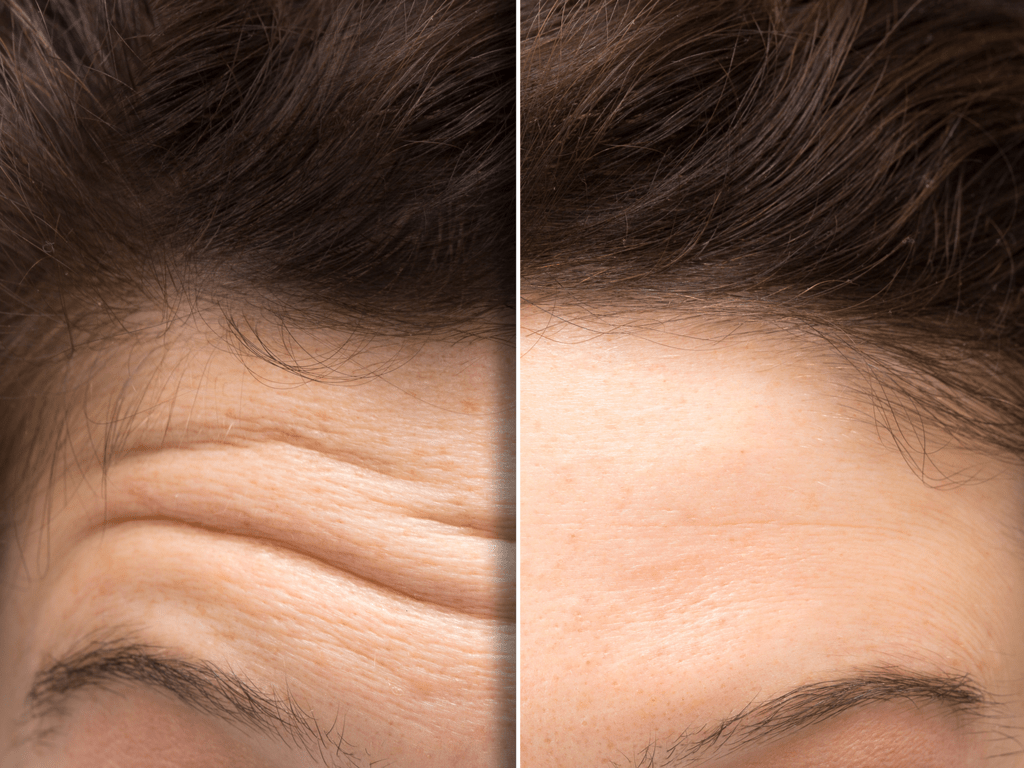
- Immediate and striking result. (butt grows, wrinkles disappear)
- Lower cost which plastic surgery or legitimate biostimulators
- Outlandish promises on social networks
- Application by untrained professionals (often in commercial spaces and not in certified medical clinics)
- Lack of information about the complications that appear years later
The initial "cheap" experience turns expensive, irreversible and dangerous after.
Safe alternatives to PMMA
The good news: There are legitimate, approved, and safe alternatives. For all the aesthetic goals that PMMA promises to deliver. In medical hands, with original products and proper technique:
To define contours and give projection (face and body)
- Hyaluronic acid (Restylane) — a reversible filler with a globally established safety profile.
To stimulate collagen and firmness.
- Sculptra (poly-L-lactic acid) — an injectable biostimulator that teaches the skin to produce its own collagen.
- Radiesse (calcium hydroxyapatite) — biostimulator with a slight immediate lifting effect
For sagging skin and non-surgical lifting.
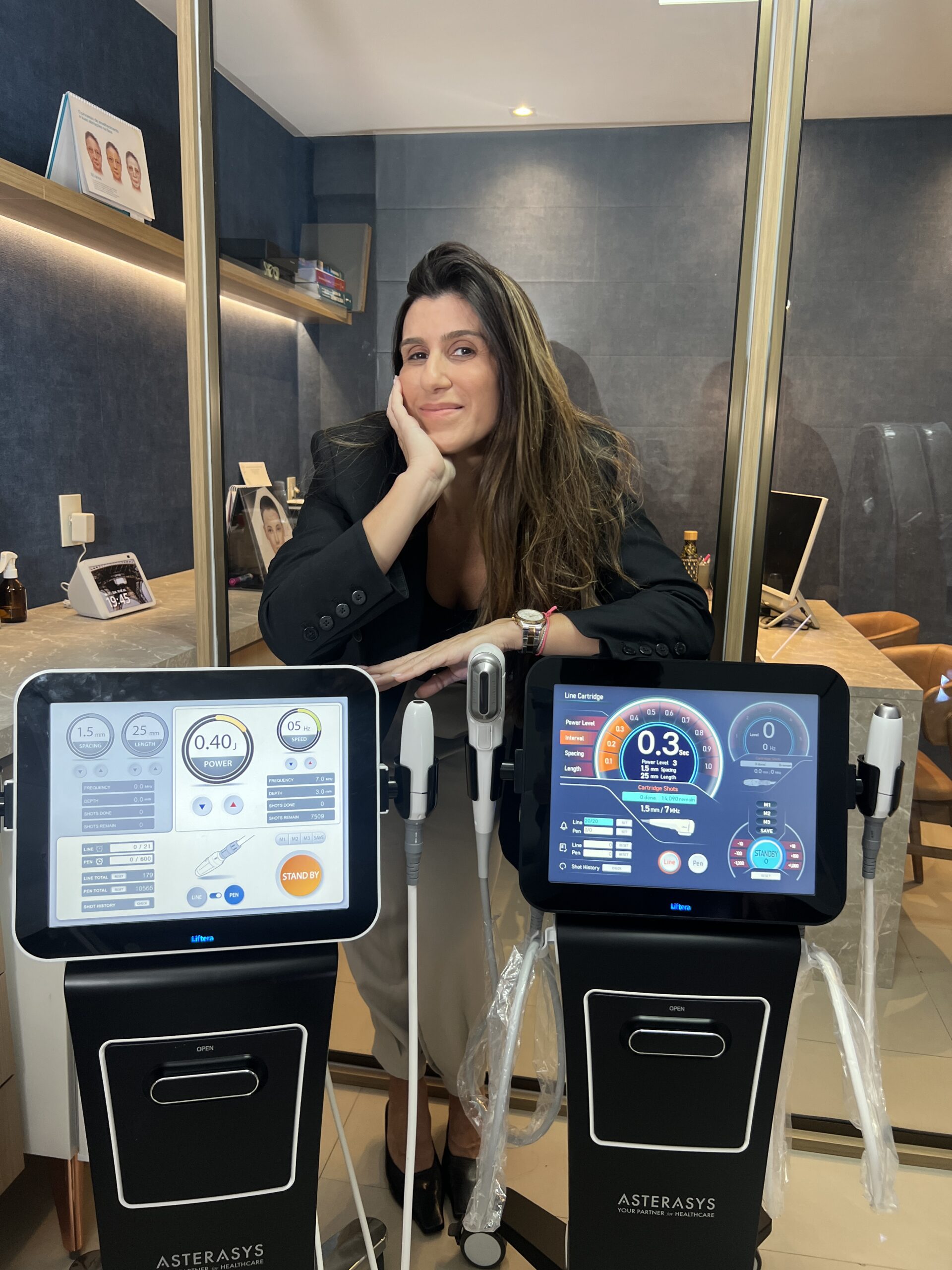
- Liftera 2 (Microfocused ultrasound) — a real lifting effect, without needles.
- CoolFase (Korean radiofrequency) — skin firmness and density
For body augmentation (buttocks, breasts)
- Plastic surgery with prosthesis or fat grafting (lipofilling) performed by a plastic surgeon — the only safe alternative for a real increase in body volume.
- Hyaluronic acid (Restylane Shape) — a reversible filler with a globally recognized safety profile.
All these products and techniques are absorbable or legitimate biostimulators, with a safety profile established through years of global use, scientific validation, and endorsement from leading medical societies.
Conclusion
The death of makeup artist Roseli Fernandes on May 26, 2026, and the Ju Massaoka case demonstrate, in real life, what scientific literature has been saying for years: Aesthetic PMMA is a risk that is not worth it..
No aesthetic result is worth necrosis, permanent deformity, or a life. There is a reason why all the major medical entities in Brazil advise against PMMA for aesthetic purposes—and that reason is patient safety.
If you are being approached about getting PMMA, recusIf you've already done it, Follow up with a doctor.If you are thinking about improving the contour, volume, firmness, or quality of your skin, There are safe, modern and effective alternatives. — all within a personalized protocol, in medical hands and with legitimate products.

Dr. Renata Ralha She is a clinical, aesthetic, and hair dermatologist. full member of the Brazilian Society of Dermatology (SBD), with complete training in Dermatology and Dermatological Surgery. Practices in Rio de Janeiro focusing on natural rejuvenation and personalized protocols. always using legitimate products and in accordance with the guidelines of the main Brazilian medical societies.CRM 52-84102-1 RJ | RQE 28115.
Dr. Renata Ralha Clinical, Aesthetic and Hair Dermatologist, CRM: 52-84102-1 RJ, RQE No.: 28115
Schedule your consultation with Dr. Renata!

Dr. Renata Ralha Clinical, Aesthetic and Hair Dermatologist, CRM: 52-84102-1 RJ, RQE No.: 28115
Dr. Renata Ralha She is a clinical, aesthetic, and hair dermatologist. full member of the Brazilian Society of Dermatology (SBD), with complete training in Dermatology and Dermatological Surgery. Practices in Rio de Janeiro focusing on natural rejuvenation and personalized protocols. always using legitimate products and in accordance with the guidelines of the main Brazilian medical societies.CRM 52-84102-1 RJ | RQE 28115.
Follow our WhatsApp channel: Dr. Renata Ralha!
This channel is for you to stay up-to-date on the best news about... dermatology, aesthetics and skincareIn addition to finding out about all the new publications, promotions and sweepstakes that we offer at the Clinic Renata Ralha!