The search for non-invasive aesthetic treatments has led to the development of advanced technologies, such as HIFU (High-Intensity Focused Ultrasound). Among these innovations, Liftera stands out, a micro-focused ultrasound technology that uses HIFU to provide exceptional results with greater comfort. In this article, we will explore what HIFU is, how Liftera differs, and the benefits and applications of this technology.
Schedule your personalized evaluation with Dr. Renata!
Dermatologist at Nova América
What is HIFU?
Definition and Basic Functioning:
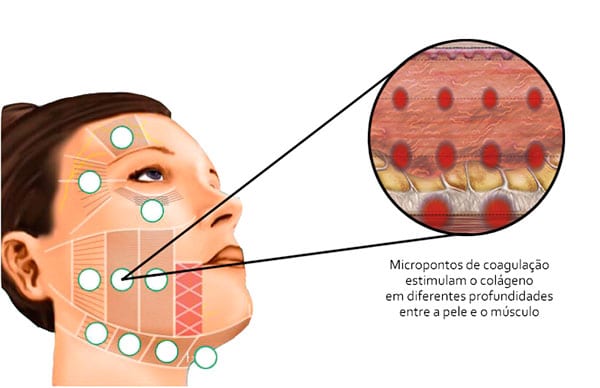
HIFU, or High-Intensity Focused Ultrasound, is a technology that uses focused ultrasound waves to selectively heat and destroy subcutaneous tissue. This heating causes thermal coagulation, stimulating the production of collagen and elastin, resulting in a lifting and rejuvenating effect on the skin.
Applications and Results:
HIFU is widely used for facial and body treatments, including reducing wrinkles, expression lines, and sagging skin. Additionally, it is effective in redefining facial contours and treating double chins.
Liftera Technology: HIFU a Innovation in Microfocused Ultrasound
Differentiation and Advantages:
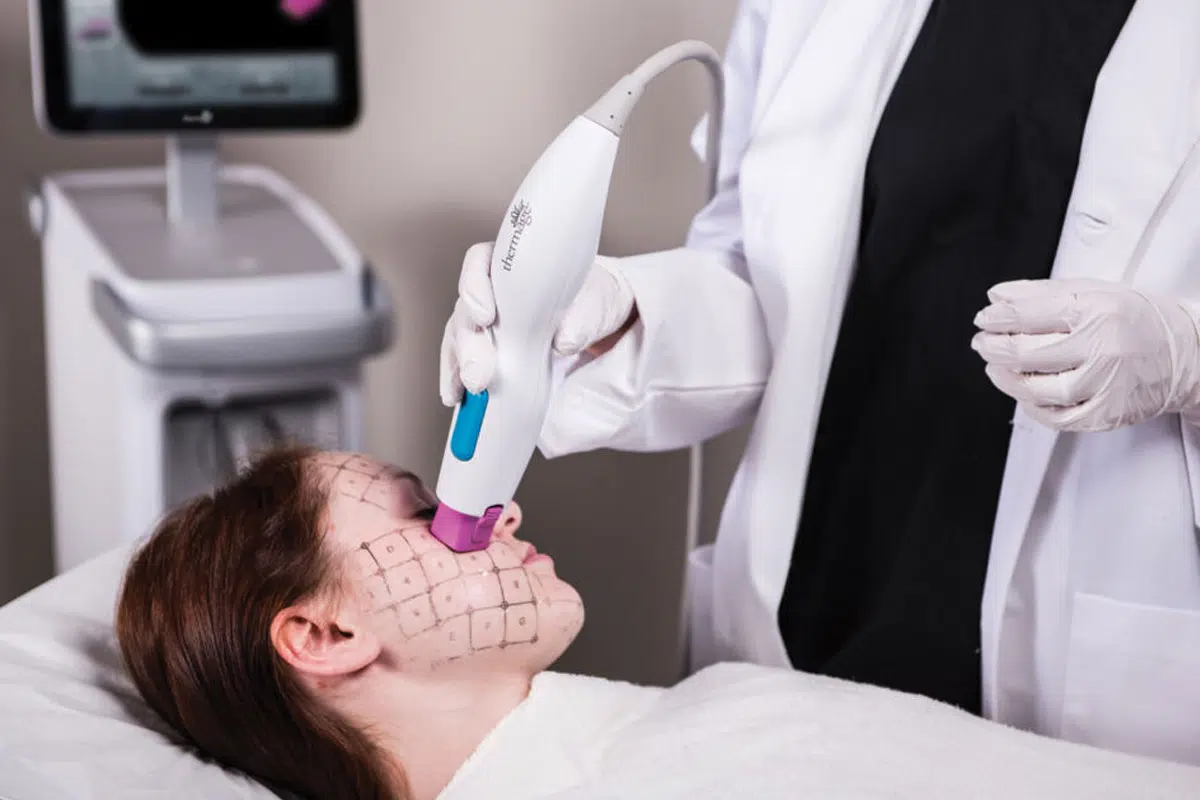
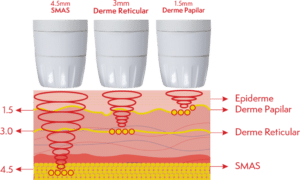
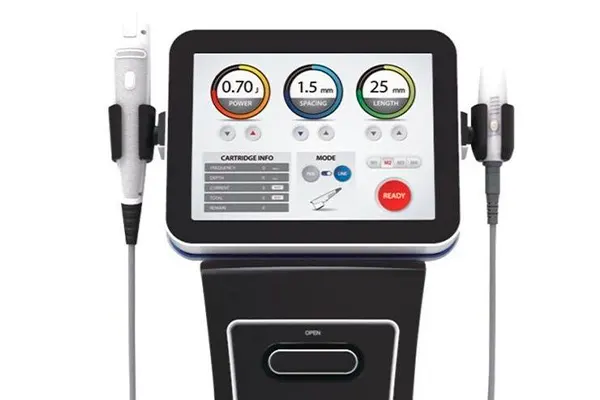
Liftera is the most advanced version of microfocused ultrasound, standing out for its superior precision and comfort. Using HIFU technology, Liftera allows for electronic depth adjustments, ensuring that the treatment reaches specific skin layers without damaging superficial areas.
Benefits of Liftera – HIFU?
Visible and Lasting Results:
The benefits of Liftera include the reduction of wrinkles, expression lines, and sagging, as well as improvements in skin texture and facial contour. The treatment is non-invasive and provides visible results after the first session, with effects that can last up to two years.
Mechanisms of Action: How does Liftera stimulate collagen production?
Thermal Coagulation and Fibroblast Stimulation:
Liftera acts on the deeper layers of the skin, including the Superficial Musculoaponeurotic System (SMAS), where it causes thermal coagulation. This process stimulates fibroblasts, cells responsible for collagen production, promoting neocollagenesis and tissue reorganization.
Lifting and Rejuvenating Effect:
Thermal coagulation generates micro-zones of heating that trigger an inflammatory response, followed by the proliferation of new collagen and elastin fibers. This process results in firmer, younger-looking skin with less sagging.
Clinical Studies and Scientific Evidence on the Effectiveness of Liftera
Proven Results:
Clinical studies demonstrate that HIFU, including technologies like Liftera, is effective for facial rejuvenation and localized fat reduction. The effects are progressive and can be observed from the first session, with continuous improvements in the following months. Liftera, which uses HIFU technology, has been widely used in aesthetic clinics, with numerous positive reports from patients and professionals regarding its effectiveness and safety.
How long does the effect of HIFU last?
Duration of Results:
The effects of Liftera, which uses HIFU technology, are long-lasting, with results that can last between one and two years. The duration depends on factors such as age, skin type, and the patient's lifestyle. Annual maintenance sessions can help prolong the results.
What is HIFU used for?
Aesthetic Applications:
The Liftera, a HIFU technology, is indicated for facial lifting, wrinkle and expression line reduction, treatment of body sagging, and rejuvenation of intimate areas. It is also effective in defining facial contours and treating double chins.
What does HIFU do to the face?
Facial Benefits:
On the face, Liftera improves skin firmness and elasticity, softens wrinkles and expression lines, redefines facial contours, and provides a non-invasive bichectomy effect. The treatment results in younger-looking, radiant skin.
Bonus | Why is Liftera better than Ultraformer?
Advanced Technology:
Liftera uses advanced micro-focused ultrasound technology, providing a more precise and less invasive treatment.
Why is Liftera better than Ultraformer?
Compared to Ultraformer, Liftera causes less pain and swelling, resulting in a faster and more comfortable recovery.
Consistent Results:
Liftera offers more consistent and natural results, with a lower chance of adverse effects.


Medical evaluation is essential to understand the patient's complaints, identify dermatological problems, and consider their individual characteristics, such as anatomy, skin type, and reactions to substances used. Based on this, it is possible to determine the appropriate techniques to naturally enhance the features of the face, skin, and body.
Choosing a dermatologist is crucial for a thorough analysis of the areas of disharmony in the patient and to determine the necessary techniques, whether it be increasing volume, correcting angles, or symmetry. With a personalized and exclusive treatment plan, it is possible to meet the specific needs of each patient while respecting their limitations.
Dr. Renata Ralha, Clinical, Aesthetic and Hair Dermatologist, CRM: 52-84102-1 RJ, RQE No.: 28115


Dr. Renata Ralha, Clinical, Aesthetic and Hair Dermatologist, CRM: 52-84102-1 RJ, RQE No.: 28115
Follow our WhatsApp channel: Dr. Renata Ralha!
This channel is for you to stay up-to-date on the best news about... dermatology, aesthetics and skincareIn addition to finding out about all the new publications, promotions and sweepstakes that we offer at the Renata Ralha Clinic!