The ideal is Avoid alcoholic beverages for 24 to 48 hours after Botox treatment.The main reason is not to "cut" the toxin, but rather to increase the chance of bruising, swelling, and redness in skin that has just received microinjections; the product itself states that local pain, tenderness, edema, and bleeding or hematoma may occur at the injection site.
Schedule your personalized evaluation with Dr. Renata!
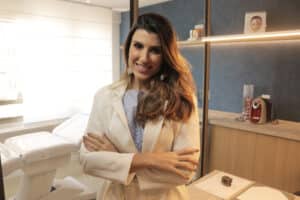
Dermatologist at Nova América
Can I drink alcohol after getting Botox?
It's possible that nothing serious might happen if a person consumes alcohol soon after, but I don't consider it the best choice on the same day.
In the doctor's office, the most prudent advice is to wait. at least 24 hours, and I usually expand to 48 hours long. When the patient is prone to bruising, has already experienced significant swelling, has undergone multiple punctures, or wants to minimize any visible marks.
The most common local reactions after application are precisely those that alcohol can worsen: bruising, swelling, redness, and tenderness.
Why it's better to avoid alcoholWithin the first 24 to 48 hours?
Because alcohol affects two very important aspects immediately after application: the circulation e coagulationStudies and reviews show that ethanol can cause vasodilation, meaning the blood vessels become more "open," and can also reduce platelet reactivity, which is part of the system that helps stop minor bleeding.
This means that those tiny blood vessels punctured by the needle are more likely to bleed a little more and turn purple.
This reasoning didn't come out of nowhere. Reviews on hematomas in cosmetic procedures already advise avoiding alcohol because it increases the risk of bruising, and also remind us that intense exercise and heat in the first 24 hours can worsen the situation for the same reason: more vasodilation and a greater chance of highlighting the ecchymosis.
Does alcohol negate the effects of Botox?
What science best supports is that alcohol increases the risk of bruising and swellingIt's not that it "neutralizes" the toxin. Botox acts on the nerve endings and reduces the release of acetylcholine at the nerve-muscle junction; as a result, the muscle relaxes and the dynamic wrinkle softens. There is no large clinical trial showing that drinking alcohol after application destroys this mechanism.
What does Botox do to the muscle?
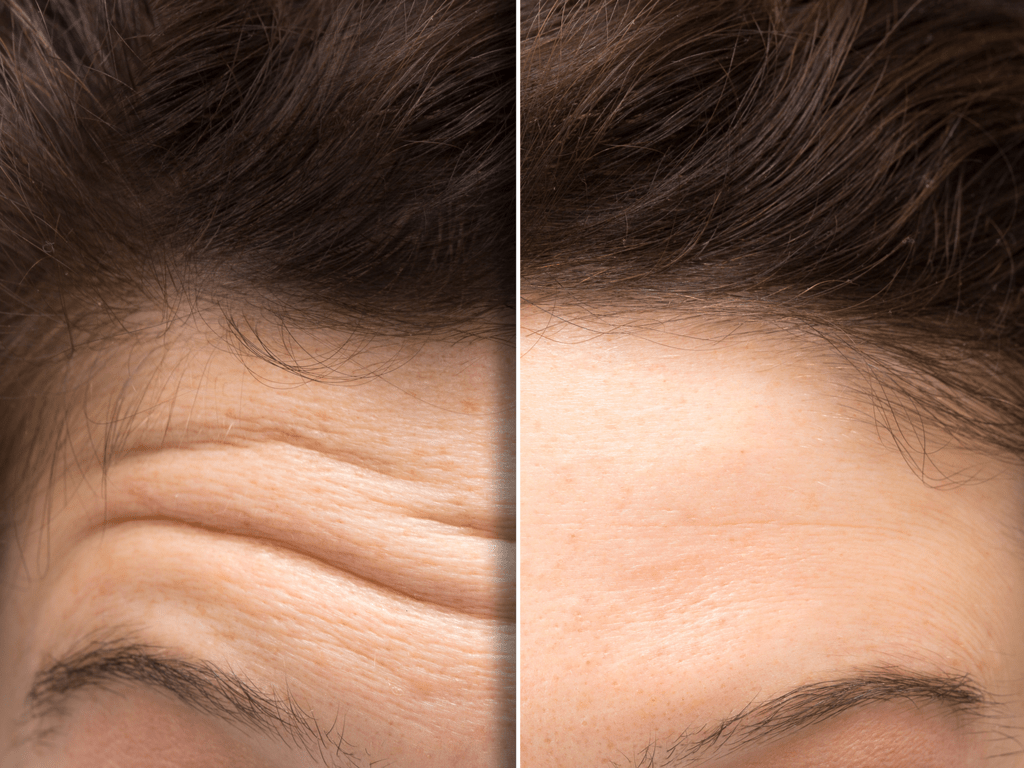
In practice, Botox It makes the muscle contract less. Botulinum toxin type A blocks the release of acetylcholine, which is the chemical signal used by the nerve to tell the muscle to move. When this signal decreases, the contraction reduces, and the skin above that muscle wrinkles less. and the marked expression softens as the days go by.
This also helps to understand why the result doesn't appear immediately. The effect appears gradually because this connection between nerve and muscle isn't instantly severed in the mirror. What appears immediately after application is usually just the needle's reaction: tiny dots, slight redness, sensitivity, or a small, temporary bump.
When are 24 hours usually enough, and when do I prefer 48 hours?
Therefore, 24 hours long. These results are usually sufficient for a healthy patient who has no history of significant bruising and leaves the session with virtually no reaction.
Yes, 48 hours long. These measures seem more sensible to me when the person has very reactive skin, tends to bruise easily, has undergone treatment in more sensitive areas, has consumed or intends to consume larger amounts of alcohol, or uses medications and supplements that increase bleeding.
Aspirin, anti-inflammatories, anticoagulants, fish in capsule form, and vitamin E are all part of this discussion, but prescription medication... It should not be suspended on its own initiative. just for cosmetic procedures.
If you applied today and are going to an event: The wisest thing to do is not to drink.
If you've ever drunk alcohol without knowing it: The most common issue isn't "losing the Botox," but rather increasing the chance of bruising and swelling. Observe the area and continue with the rest of the aftercare as normal.
How does Dr. Renata advise on post-Botox care in her office?
In my practice, I prefer simple instructions that patients can actually follow. I ask them to avoid alcohol for at least 24 hours, not to massage the area on the day of the procedure, to avoid excessive heat and intense exercise in the first 24 hours, and not to lie down in the first few hours after application.
When the patient is prone to bruising or is already more sensitive, I extend the recommendation to 48 hours without alcoholic beverages. This is a prudent course of action, not a reason for panic.
What to expect in the first few hours after Botox?
The expected post-procedure experience is mild. There may be slight pain, minor burning, local redness, visible needle marks, sensitivity to touch, and, in some cases, a small hematoma. These findings are usually transient and are among the most well-known local reactions to botulinum toxin applied with a fine needle.
Signs that warrant contacting a doctor are different from this: significant worsening, unusual pain, marked asymmetry, drooping eyelids, visual disturbances, or any reaction that deviates from what has been advised.
Treatment is safe when properly indicated and applied, but safety also depends on proper follow-up.
About Dr. Renata
In my practice, I usually explain post-Botox care in a straightforward way: not all popular advice has the same scientific weight, but some simple measures help a lot in avoiding minor complications. Among them, abstaining from alcohol for one or two days is one of the easiest to follow and makes the most sense when the goal is to leave the procedure with less risk of bruising.
My approach to patient care always involves three questions: Does this patient bruise easily, are they using anything that increases bleeding, and do they need to be bruise-free in the coming days? When the answer is yes, I'm more conservative. In aesthetics, small details can change the patient's experience, even when they don't affect the final result.
Conclusion
Yes, the safest option is Do not drink alcohol immediately after Botox treatment.My practical recommendation is to wait. 24 hours long., and 48 hours long. in patients who are more sensitive or more prone to bruising.
The most accurate explanation for laypeople is this: alcohol isn't known for "cutting Botox." The bigger problem is that it increases local circulation and slightly hinders the containment of those tiny blood vessels that were punctured, making the post-procedure period more prone to bruising and swelling. Since each patient reacts differently, individualized guidance remains the best approach.
-
If I drink on the same day, will I lose the result?
Usually not. More commonly, it increases the chance of bruising and swelling, not "turns off" the toxin.
-
How long after can I drink more calmly?
In most cases, after 24 hours. If you bruise easily or are already swollen, I prefer 48 hours.
-
Is beer better than wine or spirits?
I don't advise choosing a specific type of drink. The main point is the alcohol content. A population study found a greater association with reduced platelet reactivity in wine and spirits than in beer, but that doesn't mean you can drink alcohol right after Botox.
-
If I take aspirin or anticoagulants, can I stop taking them to get Botox?
Not on your own. Prescription medications that interfere with bleeding should not be discontinued without guidance from your doctor.
-
What else should I avoid on the day of the injection?
Alcohol, excessive heat, massage of the area, and intense exercise are usually the most helpful recommendations in the immediate post-operative period, even though not all of them have the same level of evidence.

Medical evaluation is essential to understand the patient's complaints, identify dermatological problems, and consider their individual characteristics, such as anatomy, skin type, and reactions to substances used. Based on this, it is possible to determine the appropriate techniques to naturally enhance the features of the face, skin, and body.
Choosing a dermatologist is crucial for a thorough analysis of the areas of disharmony in the patient and to determine the necessary techniques, whether it be increasing volume, correcting angles, or symmetry. With a personalized and exclusive treatment plan, it is possible to meet the specific needs of each patient while respecting their limitations.
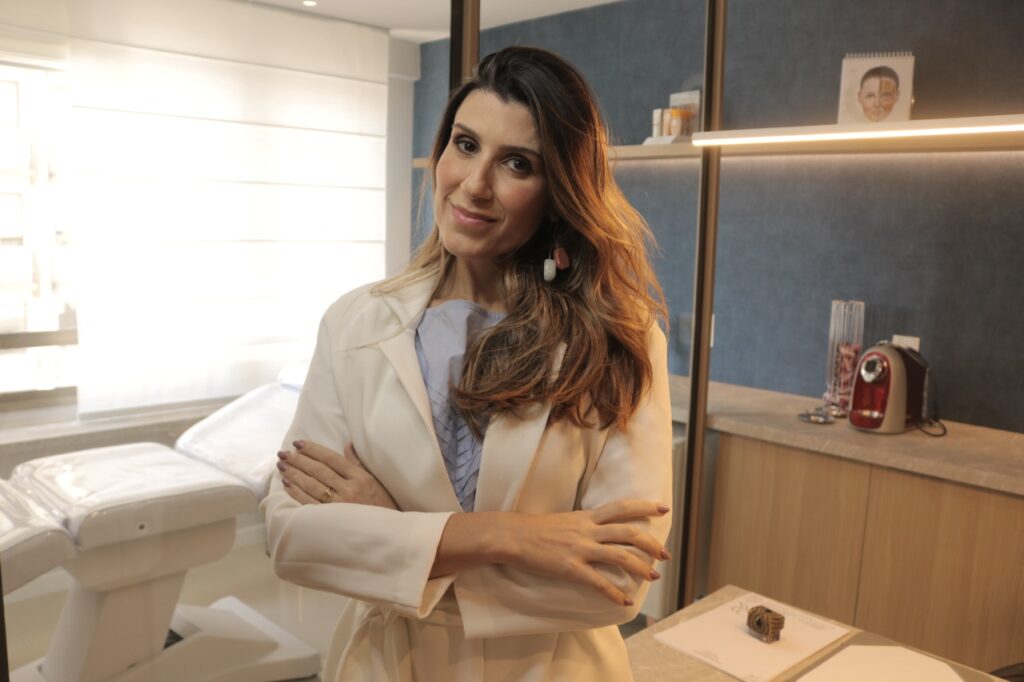
Medical evaluation is essential to understand the patient's complaints, identify dermatological problems, and consider their individual characteristics, such as anatomy, skin type, and reactions to substances used. Based on this, it is possible to determine the appropriate techniques to naturally enhance the features of the face, skin, and body.
Choosing a dermatologist is crucial for a thorough analysis of the areas of disharmony in the patient and to determine the necessary techniques, whether it be increasing volume, correcting angles, or symmetry. With a personalized and exclusive treatment plan, it is possible to meet the specific needs of each patient while respecting their limitations.

Dr. Renata Ralha, Clinical, Aesthetic and Hair Dermatologist, CRM: 52-84102-1 RJ, RQE No.: 28115

Follow our WhatsApp channel: Dr. Renata Ralha!
This channel is for you to stay up-to-date on the best news about... dermatology, aesthetics and skincareIn addition to finding out about all the new publications, promotions and sweepstakes that we offer at the Renata Ralha Clinic!