
Sculptra is a collagen biostimulator that stands out among dermatological treatments for stimulating the skin’s own natural collagen production, promoting facial rejuvenation and improving skin structure in a gradual and natural way. Unlike fillers that provide immediate volume, Sculptra works progressively, resulting in a firmer, more three-dimensional appearance over the months following the treatment.
This procedure has gained attention for its durability and effectiveness in softening wrinkles, improving facial contours, and restoring volume lost due to aging, when properly indicated by a qualified medical professional.
Below, we will explain how Sculptra works, its main benefits, and address the most common questions patients typically have before and after the procedure.
What is Sculptra and how does it work on your skin?
Sculptra is a biostimulatory treatment made with poly-L-lactic acid, a substance that stimulates fibroblasts—the cells responsible for collagen production in the skin.
Unlike traditional fillers, it does not provide immediate volume. Instead, it creates a stimulus that encourages the body to produce new collagen. Over time, this natural process improves skin support, texture, and facial contour, delivering long-lasting and natural-looking results.
In general, the treatment consists of two to three sessions, performed a few weeks apart, with results appearing gradually over the following months.
-
How does Sculptra treatment work?
It is applied through injections that promote a biological stimulus in fibroblasts, leading to the production of new collagen and resulting in improved firmness, texture, and skin support over time.
-
When do Sculptra results start to appear?
Results usually appear gradually, with noticeable improvement typically beginning around 6 to 12 weeks after the injections, and continuing to evolve up to approximately 3 to 6 months.
-
How many Sculptra sessions are needed?
On average, 2 to 3 sessions are recommended, spaced several weeks apart, depending on each patient’s individual needs.
-
Does Sculptra treatment hurt?
Discomfort is generally mild and can be minimized with local anesthetic. The procedure is performed by qualified professionals to reduce pain and sensitivity.
-
Is Sculptra safe?
Yes, when performed by a qualified dermatologist or plastic surgeon. The product is absorbable and has a well-established safety record.
-
How many areas can be treated with Sculptra?
Sculptra is mainly used on the face to improve deep folds, contour, and firmness, but it may also be used in other areas when medically indicated.
-
Does Sculptra have an immediate effect?
No. The effect is gradual because it depends on collagen production stimulated by the body, unlike traditional fillers.
-
How long do Sculptra results last?
Results can last up to 18 to 24 months or longer, with proper maintenance and regular medical evaluation.
-
Are there any post-procedure care instructions?
Yes. Gentle massage of the treated area for the first 5 days and avoiding intense sun exposure or aggressive procedures in the first few weeks can optimize results. Anti-inflammatory medications should be avoided for 7 days after the procedure.
-
Can Sculptra be combined with other treatments?
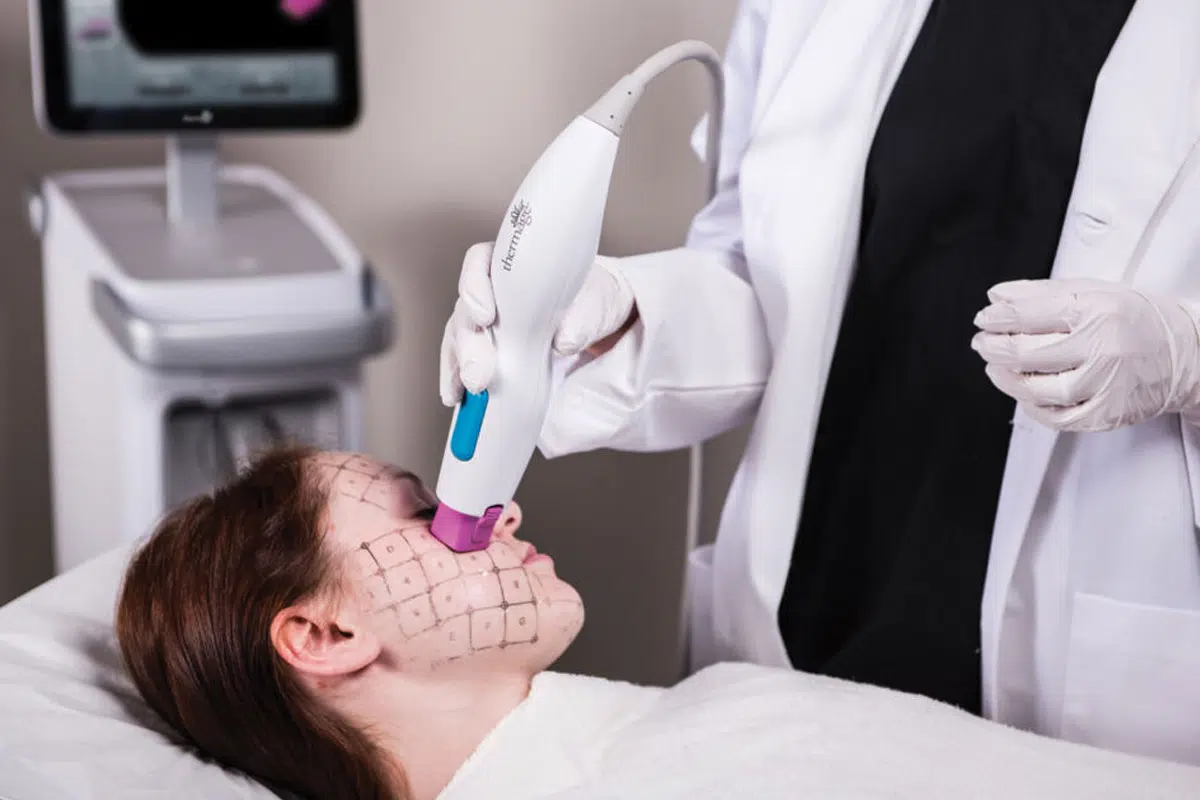
Yes. It is often combined with other procedures such as botulinum toxin, fillers, lasers, or microfocused ultrasound, according to a personalized medical plan.
-
Can Sculptra cause nodules?
In cases of improper technique or incorrect handling, small nodules or irregularities may occur, which is why treatment by an experienced professional is essential.
-
Is Sculptra better than fillers?
It is not better or worse, but different. Sculptra provides gradual and long-lasting improvement through collagen production, while hyaluronic acid fillers offer immediate results.
-
Can I have Sculptra if I have mild skin laxity?
Yes, it can be indicated even in early stages for prevention and improvement of skin quality, provided there is medical indication.
-
Can Sculptra be used on body areas?
In a qualified medical context, it may be used in other areas of the body, always with individualized evaluation and proper technique.
-
What are the common risks of Sculptra?
Mild swelling, redness, bruising, and sensitivity may occur and usually resolve within a few days.
-
What is the difference between Sculptra and Radiesse?
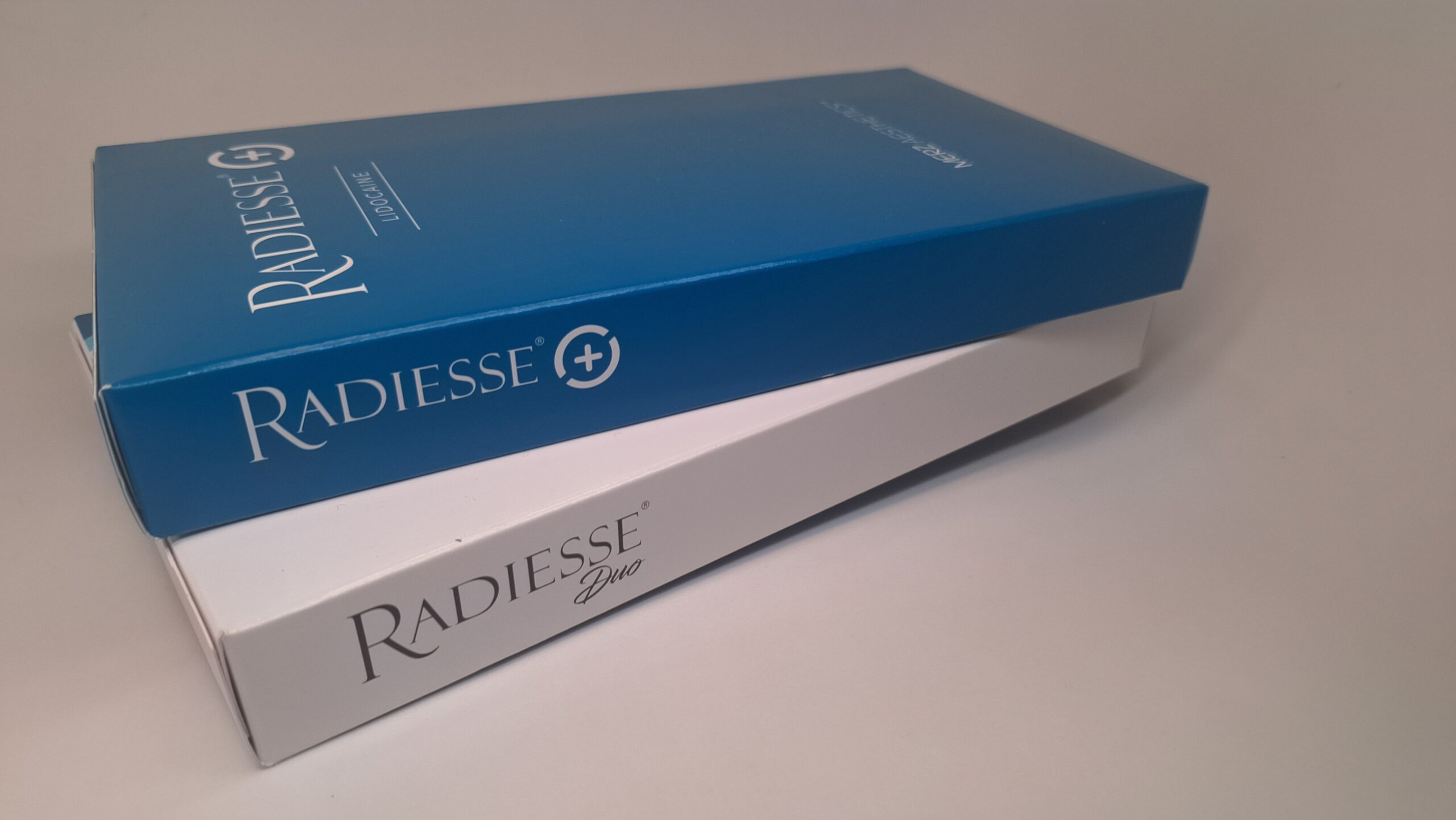
Both are collagen biostimulators, but they use different compounds and have specific indications. Sculptra promotes progressive collagen stimulation, while Radiesse combines stimulation with initial volume.
-
Is Sculptra absorbed by the body?
Yes. Its component (poly-L-lactic acid) is absorbable and stimulates the skin from within to produce new collagen.
Agende sua Avaliação Personalizada com a Dra Renata!
Dermatologista no Nova América
Related Posts
- Sculptra: What Is It? How Does It Work? See Before and After Photos!| Click Here!
- Sculptra or Radiesse? Which is the best collagen biostimulator? Click Here!
- What Not to Do After Sculptra? | Post-Sculptra Care| Click Here!
- Before and After Photos | Liftera, Coolfase, Biostimulator, Profhilo, Skinbooster| Click Here!


A avaliação médica é essencial para compreender as queixas do paciente, identificar problemas dermatológicos e considerar suas características individuais, como anatomia, tipo de pele e reações a substâncias utilizadas. Com base nisso, é possível determinar as técnicas adequadas para valorizar naturalmente as características do rosto, pele e corpo.
A escolha de um Dermatologista é crucial para realizar uma análise minuciosa das regiões em desarmonia no paciente e determinar as técnicas necessárias, seja aumentando o volume, corrigindo ângulos ou simetria. Com um plano de tratamento personalizado e exclusivo, é possível atender às necessidades específicas de cada paciente respeitando seus limites.
Dra. Renata Ralha Dermatologista Clínica, Estética e Capilar , CRM: 52-84102-1 RJ, RQE N°: 28115

A avaliação médica é essencial para compreender as queixas do paciente, identificar problemas dermatológicos e considerar suas características individuais, como anatomia, tipo de pele e reações a substâncias utilizadas. Com base nisso, é possível determinar as técnicas adequadas para valorizar naturalmente as características do rosto, pele e corpo.
A escolha de um Dermatologista é crucial para realizar uma análise minuciosa das regiões em desarmonia no paciente e determinar as técnicas necessárias, seja aumentando o volume, corrigindo ângulos ou simetria. Com um plano de tratamento personalizado e exclusivo, é possível atender às necessidades específicas de cada paciente respeitando seus limites.

Dra. Renata Ralha Dermatologista Clínica, Estética e Capilar , CRM: 52-84102-1 RJ, RQE N°: 28115
Siga nosso Canal no WhatsApp: Dra. Renata Ralha!
Esse canal é feito para vocês ficarem por dentro das melhores novidades sobre dermatologia, estética e skincare. Além de ficar sabendo de todas as novas publicações, promoções e sorteios que oferecemos na Clínica Renata Ralha!
Agende sua avaliação com a Dra. Renata Ralha
Dermatologista no Nova América, Rio de Janeiro
Agendar pelo WhatsApp