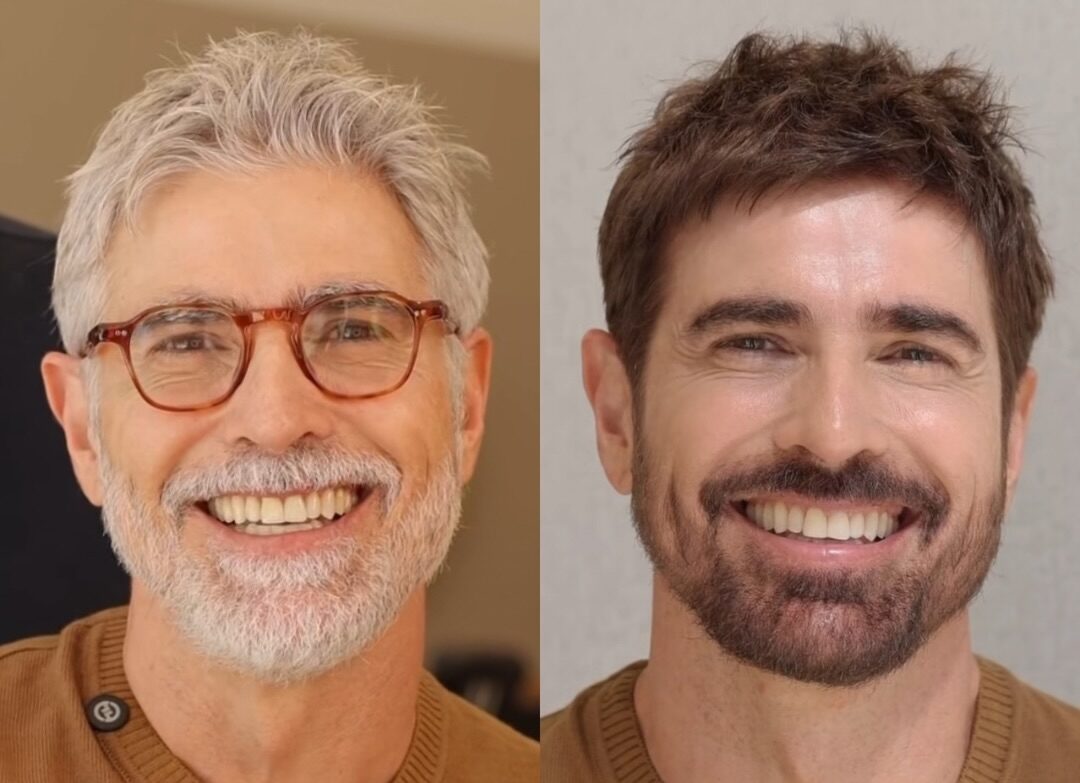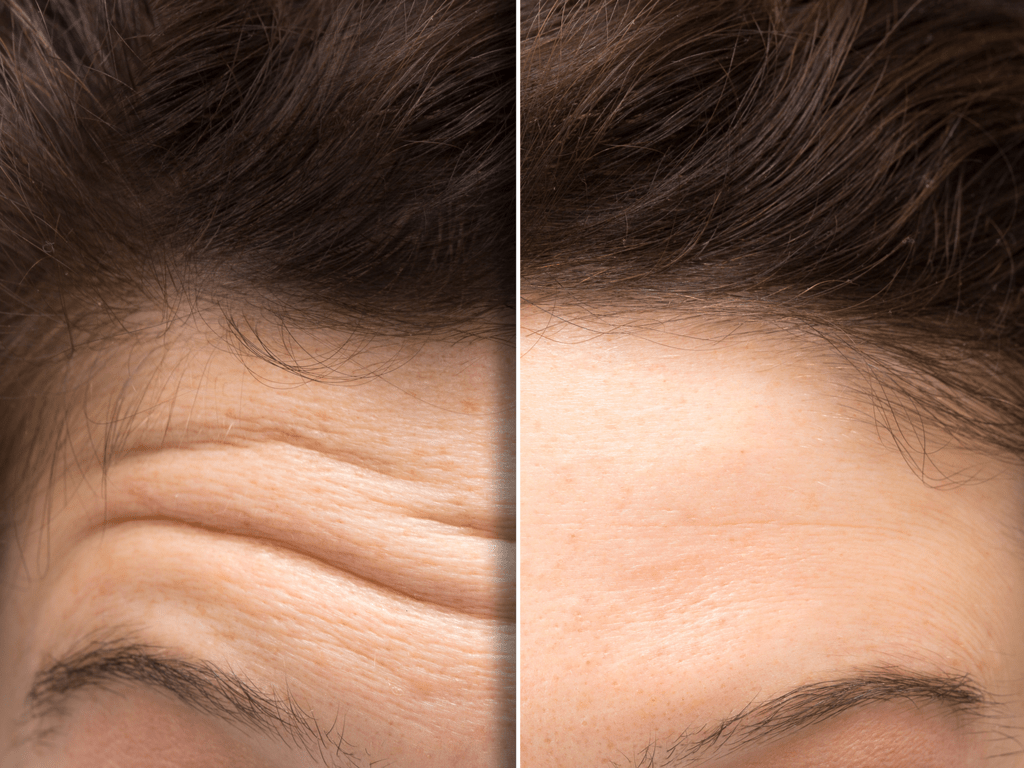
As a dermatologist, I always seek the best treatments for each aesthetic need, considering both the desired results and safety and risks. One procedure that has been gaining popularity is... plasma jetPlasma jet treatment, which offers rejuvenating effects and improves skin texture, also presents risks that should be carefully evaluated. I will detail everything about plasma jet treatment, including how it works, the necessary precautions, and some alternatives that can also bring excellent results.
Schedule your personalized evaluation with Dr. Renata!
Dermatologist at Nova América
What is Plasma Jet?
Plasma jet treatment uses a device to generate a burst of plasma energy – an ionized gas that acts directly on the skin. This burst causes small, controlled lesions, stimulating tissue regeneration and the production of collagen and elastin. The treatment is indicated for those seeking to improve fine lines, mild sagging, blemishes, and even acne scars.
This "burning" process on the skin leads to the formation of small scabs, which fall off naturally after a few days, revealing skin with a renewed appearance. However, plasma jet treatment can also carry risks and should be performed with caution.
Benefits of Plasma Jet
- Immediate Lifting EffectVisible lifting and firming results immediately after application.
- Collagen StimulationThe presence of the thread in the skin induces the natural production of collagen, providing firmness and renewal.
- Quick recoveryUnlike a surgical facelift, thread lifting has a shorter recovery time.
- VersatilityThey can be used on various areas, such as the face, neck, and even the body.

Risks Associated with Plasma Jet Treatment
Plasma jet treatment requires certain precautions to avoid adverse effects, which can be significant in some cases. These risks include:
- Burns and scarsThe procedure can cause deep burns, especially if performed by an inexperienced professional, leading to permanent scarring.
- Hyperpigmentation or hypopigmentationThere is a risk of developing darker spots or areas of depigmentation after treatment, which is more common in skin with greater sensitivity or higher phototypes.
- Prolonged sensitivityThe skin may remain sensitive for an extended period, requiring intensive care and constant sun protection to prevent further damage.
For those seeking similar results in a safer way, other options such as lasers and peels may be less risky and more effective alternatives.
Alternatives to Plasma Jet Treatment: Laser and Peels
In many cases, lasers and peels can offer results comparable to plasma jet treatments, but with a superior safety profile and greater control over the treatment.
Laser: A Precise and Controlled Option
Lasers, such as Etherea-MX With Dual Mode and Prodeep handpieces, they act deeply on the skin with excellent control of intensity and treated area, allowing for regeneration without causing excessive damage. The lasers are ideal for treating blemishes, fine wrinkles, scars, and even mild sagging with high safety and predictable results.
Benefits of Laser:
- Safety: The risk of hyperpigmentation and scarring is minimized with the use of laser, especially when properly indicated and applied by a qualified professional.
- Precision: treats specific areas with controlled depth.
- Fast Recovery: Compared to plasma jet treatments, lasers have a shorter recovery time, with mild peeling instead of deep scabbing.
- What are PDO Threads? Benefits vs. Risks | Click here!
Peels: Safe Cellular Renewal
Chemical peels are also a great option for those seeking skin renewal without the risks of plasma jet treatments. Medium and deep peels, such as those using retinoic acid or glycolic acid, stimulate skin regeneration, effectively and safely treating fine lines, blemishes, and scars.
Benefits of Peels:
- Cellular Renewal: promotes exfoliation and cellular regeneration, improving texture and uniformity.
- Low Risk: Peeling is a safe procedure with minimal side effects when performed correctly.
- Customizable: it is possible to adjust the peeling to the patient's skin type and needs, making it a versatile option.
- Endolift or Etherea-MX Lasers: Which is Best for You? Click here!
Comparison between Plasma Jet, Laser and Peeling
| Treatment | Indication | Main Risks | Recovery |
|---|---|---|---|
| Plasma Jet | Mild sagging, wrinkles, blemishes | Burns, hyperpigmentation | Moderate to long |
| Laser | Spots, wrinkles, scars | Light and controlled | Quick |
| Peeling | Blemishes, texture, rejuvenation | Low, mild hyperpigmentation | Short to moderate |
Frequently Asked Questions about Plasma Jet
Is Plasma Jet Treatment Suitable for All Skin Types?
No. Plasma jet treatment is more suitable for lighter skin tones, as it increases the risk of hyperpigmentation and scarring on darker skin. It is essential that a professional assesses the skin type and the suitability of the procedure.
How many sessions are needed?
The number of sessions varies depending on the goal and the initial condition of the skin, but in general, one to three sessions may be sufficient to see results.
What is the post-treatment like?
After plasma jet treatment, the patient should avoid sun exposure and rigorously use sunscreen to prevent discoloration. Specific moisturizers and healing products may be recommended to aid recovery.
Conclusion
Plasma jet treatment is an interesting and effective technique for treating signs of aging and scars. However, it is essential to consider available alternatives, such as lasers and peels, which can offer equally good results with less risk. The choice of treatment should always be made with the guidance of a qualified professional, ensuring the safety and effectiveness of the results.
If you have any questions or would like to learn more about personalized treatments, I am available to help you choose the best protocol for your skin!
Schedule a free consultation with Dr. [Name] now. Renata Ralha Discover how to transform your skin and self-esteem!


Medical evaluation is essential to understand the patient's complaints, identify dermatological problems, and consider their individual characteristics, such as anatomy, skin type, and reactions to substances used. Based on this, it is possible to determine the appropriate techniques to naturally enhance the features of the face, skin, and body.
Choosing a dermatologist is crucial for a thorough analysis of the areas of disharmony in the patient and to determine the necessary techniques, whether it be increasing volume, correcting angles, or symmetry. With a personalized and exclusive treatment plan, it is possible to meet the specific needs of each patient while respecting their limitations.
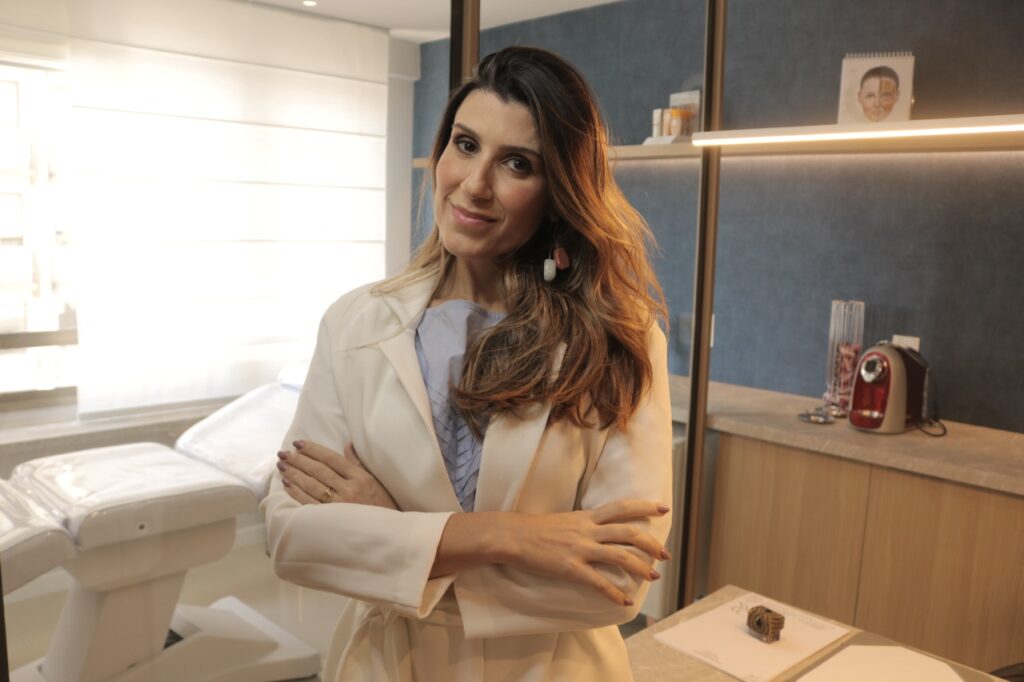
Dr. Renata Ralha Clinical, Aesthetic and Hair Dermatologist, CRM: 52-84102-1 RJ, RQE No.: 28115
Medical evaluation is essential to understand the patient's complaints, identify dermatological problems, and consider their individual characteristics, such as anatomy, skin type, and reactions to substances used. Based on this, it is possible to determine the appropriate techniques to naturally enhance the features of the face, skin, and body.
Choosing a dermatologist is crucial for a thorough analysis of the areas of disharmony in the patient and to determine the necessary techniques, whether it be increasing volume, correcting angles, or symmetry. With a personalized and exclusive treatment plan, it is possible to meet the specific needs of each patient while respecting their limitations.

Dr. Renata Ralha Clinical, Aesthetic and Hair Dermatologist, CRM: 52-84102-1 RJ, RQE No.: 28115
Follow our WhatsApp channel: Dr. Renata Ralha!
This channel is for you to stay up-to-date on the best news about... dermatology, aesthetics and skincareIn addition to finding out about all the new publications, promotions and sweepstakes that we offer at the Clinic Renata Ralha!