Hello! I'm Dr. Renata Ralha, and today we're going to talk about something essential for... To ensure the success of your botulinum toxin (Botox) treatment: post-treatment care.Knowing what to do (and what to avoid) in the first hours and days is crucial to maximizing results and prolonging the effect of the procedure.
What should you avoid doing after getting Botox?
In the first 24 hours, it is crucial to avoid activities that could compromise the toxin's placement. This includes:
- Do not massage or rub the treated area.
- Avoid strenuous physical exercise.
- Avoid exposure to heat, such as saunas, hot baths, or prolonged sun exposure.
These precautions are important because the toxin needs time to properly bind to the muscles.
What are the post-Botox facial care instructions?
After application, follow these recommendations:
- Keep your face clean, but avoid harsh products in the first few hours.
- Gently wash your face with lukewarm water.
- Use high-coverage sunscreen to prevent discoloration in case of bruising.
- Hydrate your skin with products suitable for your skin type.
The idea is to treat the skin gently and protect the treated area from any external impact.
How long does it take for Botox to start working?
Botox does not produce immediate results. Generally, the effects begin to appear between 3 and 7 days after application, reaching their peak in about 15 days. This is because the toxin needs time to block the connections between nerves and muscles.
How long does the effect of Botox last?
The effects of Botox typically last between 3 to 6 monthsHowever, it's important to understand how this evolution happens. Unlike what many believe, the effect of botulinum toxin doesn't remain static for the entire period. The process is gradual, and certain steps are fundamental to understanding the results.
Our first 15 days after applicationThe effect intensifies until it reaches its peak. From that point on, Botox begins to gradually lose its effectiveness. Around 45 60 the day (approximately 1 to 2 months), it is normal to observe a slight return of muscle movement, although the result is still present.
Therefore, it is recommended to reapply Botox every 4 to 6 months...depending on each patient's individual response. This interval allows for continuous maintenance of results and prevents dynamic wrinkles from fully reforming. Generally, they are indicated... 2 to 3 applications per year For those who want a consistently noticeable effect.
Factors that can reduce the duration of Botox effects.
Several external factors and behaviors can decrease the durability of Botox. Among the main ones are:
- Intense physical exerciseRepetitive movements and increased muscle regeneration can accelerate the loss of effect.
- Exaggerated facial expressionsMaking excessive facial expressions or forcing them can overstimulate the muscles and reduce effectiveness.
- Excessive sun exposureIntense heat can interfere with the toxin's durability.
- environmental factorsDust, pollution, and dirt can impact skin quality and toxin absorption.
- Excessive alcohol consumption and smokingThese habits harm skin health and reduce the effectiveness of treatment.
- Medication useAnti-inflammatory drugs and antibiotics can interfere with the effects of Botox.
By following the recommended care and understanding the Botox action cycle, it's possible to maximize its benefits, keeping the skin looking smooth, youthful, and natural.

Is it normal to feel a lump at the Botox injection site?
Yes, small bumps or redness may appear in the treated areas immediately after application. These reactions are normal and usually disappear within a few hours. If they persist for more than two days, contact the professional who performed the procedure.
Why can't you drink alcohol after Botox?
Alcohol consumption should be avoided for at least 24 hours after Botox treatment. This is because alcohol can increase the risk of bruising and swelling, as well as interfere with the skin's recovery process.
How can I sleep after getting Botox?
Today we know that the toxin is absorbed 20 minutes after application, so those old guidelines about not massaging the area, not keeping your head down, and if you go to bed, having your head elevated, are no longer valid.
What reduces the effects of Botox?
Several factors can reduce the effectiveness or duration of Botox:
-
Intense physical exercises: They can accelerate the metabolism of the toxin, decreasing its duration of action.
-
Excessive alcohol consumption and smoking: They can interfere with recovery and the durability of results.
-
Use of certain medications: Anti-inflammatory drugs and antibiotics can affect the effectiveness of Botox; always inform your doctor about any medication you are taking.
How long should I recover after Botox?
Complete rest is not necessary after Botox application. However, it is recommended to avoid strenuous physical activity and keep your head upright for the first 4 hours. Light daily activities can be resumed immediately, provided the aforementioned guidelines are followed.
Schedule your personalized evaluation with Dr. Renata!
Dermatologist at Nova América
How can I maximize the effects of Botox on my face?
To prolong and optimize the results of Botox:
-
Maintain a skincare routine: Use moisturizers and sunscreen daily.
-
Avoid excessive sun exposure: UV rays can accelerate skin aging and compromise results.
-
Adopt healthy habits: A balanced diet, adequate hydration, and avoiding alcohol and cigarettes contribute to the longevity of the effects.
How do I wash my face after Botox?
Gently wash your face with cool or lukewarm water and a neutral soap. Avoid rubbing the treated area and pat dry gently, without rubbing.
How long after Botox can I massage my face?
Avoid facial massages or any vigorous manipulation of the treated area for at least 24 hours after application.
Conclusion: Care That's Worth Every Result
Post-Botox care is simple, but it makes all the difference in the results. By following these recommendations, you will ensure rejuvenated skin with natural and long-lasting results. Here at Clínica Renata Ralha, we use only the best brands on the market, such as... sport (Galderma) and Xeomin (Merz), ensuring the safety and effectiveness of the procedures.
If you have any questions or would like to schedule a consultation, please get in touch! I'm here to help you achieve your best self. 😊
-
What is normal to feel after Botox treatment?
It is common to feel slight sensitivity at the injection sites, minor local pain, or to notice subtle marks that usually disappear within a few hours. Some people report a feeling of heaviness or a mild headache on the same day, which generally improves spontaneously.
-
Can I lie down or sleep right after Botox?
Ideally, avoid lying down for the first 4 hours after application. This precaution helps reduce the risk of product migration and contributes to a safer distribution of the toxin in the treated muscles.
-
Do I need to avoid physical activity after Botox?
Yes, strenuous physical activity should be avoided for about 24 hours. Increased blood circulation can interfere with the proper absorption of Botox into the muscles in the first few hours after the procedure.
-
Can I massage or touch my face after Botox?
It is not recommended to massage or press the treated areas in the first 24 hours. Intense movements or excessive manipulation may displace the product and alter the expected result.
-
Are there any medications I should avoid after Botox treatment?
Anti-inflammatory drugs are usually avoided immediately after the procedure, as they can increase the risk of bruising. Simple analgesics can be used if there is discomfort, always following medical advice.
-
When will I start seeing results from Botox?
The effects of Botox are not immediate. Generally, the first signs appear between 3 and 5 days, with more stable results around 10 to 14 days. This timeframe can vary depending on each person's metabolism and muscle strength.
-
What is not normal after Botox treatment?
Intense pain, significant asymmetries, pronounced drooping of the eyelid, or any change that causes significant discomfort are not expected and should be evaluated by a doctor as soon as possible.
-
Why is follow-up care after Botox important?
Because each organism responds differently. Feedback allows for the evaluation of the muscular response, adjustments to details when necessary, and ensuring that the result aligns with the initial plan.
-
Why does individualized assessment make a difference in post-Botox care?
Post-Botox care is directly linked to the dosage, the technique used, the areas treated, and the patient's profile. A thorough evaluation guides not only the application but also the post-procedure care, increasing the safety and predictability of results.
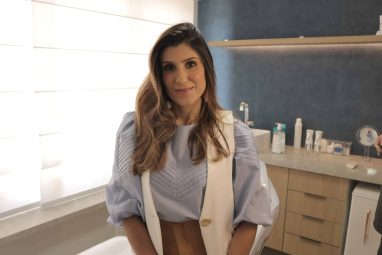

Medical evaluation is essential to understand the patient's complaints, identify dermatological problems, and consider their individual characteristics, such as anatomy, skin type, and reactions to substances used. Based on this, it is possible to determine the appropriate techniques to naturally enhance the features of the face, skin, and body.
Choosing a dermatologist is crucial for a thorough analysis of the areas of disharmony in the patient and to determine the necessary techniques, whether it be increasing volume, correcting angles, or symmetry. With a personalized and exclusive treatment plan, it is possible to meet the specific needs of each patient while respecting their limitations.
Dr. Renata Ralha, Clinical, Aesthetic and Hair Dermatologist, CRM: 52-84102-1 RJ, RQE No.: 28115
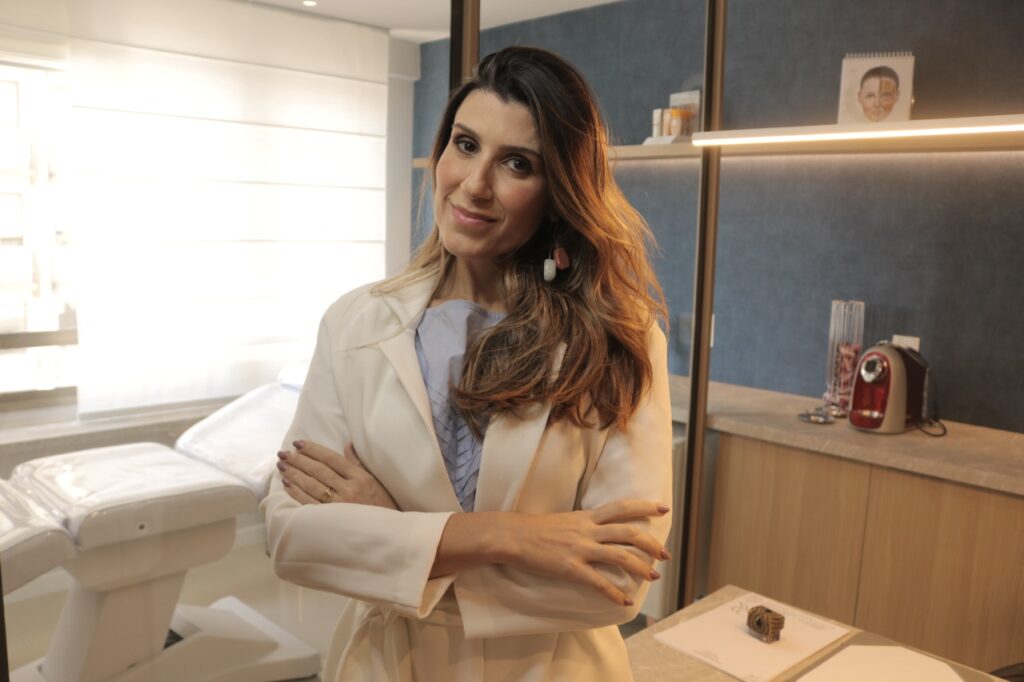

Dr. Renata Ralha, Clinical, Aesthetic and Hair Dermatologist, CRM: 52-84102-1 RJ, RQE No.: 28115

Follow our WhatsApp channel: Dr. Renata Ralha!
This channel is for you to stay up-to-date on the best news about... dermatology, aesthetics and skincareIn addition to finding out about all the new publications, promotions and sweepstakes that we offer at the Renata Ralha Clinic!