O Botox It is one of the most performed aesthetic procedures in the world, precisely because of its effectiveness in preventing and smoothing expression lines. Even so, one of the most common questions among patients is: "Why does my Botox last less than I expected?"
The duration of Botox effects depends not only on the product used. Factors such as application technique, individual metabolism, daily habits e association with other treatments They directly influence the time it takes to act.
The good news is that there are simple and safe strategies that help to... prolong the effects of Botox, keeping the face looking more rested and balanced for longer.
Schedule your personalized evaluation with Dr. Renata!
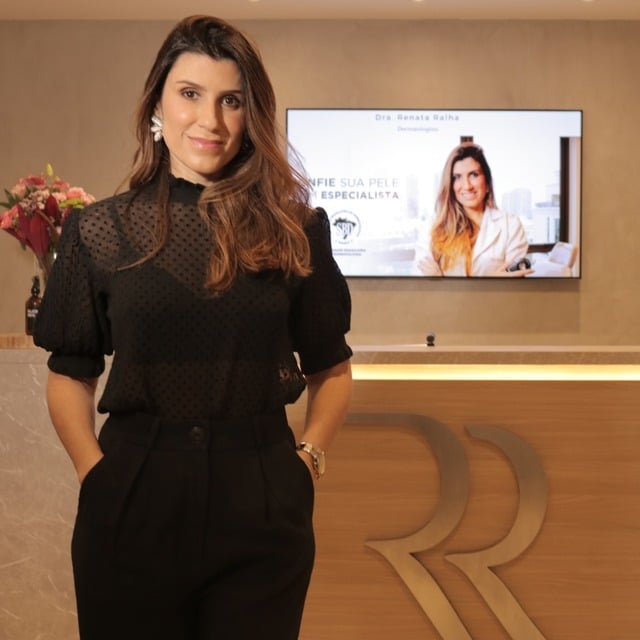
Dermatologist at Nova América
What makes Botox last less time?
Botox effects may have a reduced duration when there are:
-
Accelerated metabolism
-
Very intense muscular activity
-
Inappropriate use of doses
-
Excessive sun exposure
-
Lack of association with other care
Understanding these factors is the first step in improving the durability of the treatment.
Does avoiding intense physical activity immediately after Botox help it last longer?
Yes. In the first few. 24 to 48 hoursIntense physical activity can accelerate circulation and interfere with the toxin's absorption in the muscles.
Ideally:
-
Avoid high-intensity workouts.
-
Avoid saunas and excessive heat.
-
Maintain a light routine in the first few hours.
This simple precaution helps the Botox to stabilize correctly.
Does maintaining well-cared-for skin influence the duration of Botox?
It makes a big difference. Healthy skin responds better to treatment and maintains the results for longer.
Important precautions include:
-
Daily use of sunscreen
-
Proper skin hydration
-
Treatments that stimulate collagen
The toxin acts on the muscle, but the skin quality It makes a difference in the final result.
Does combining Botox with other treatments make its effects last longer?
Yes. The correct combination is one of the most effective ways to prolong the effects.
Procedures that help:
-
Collagen biostimulators
-
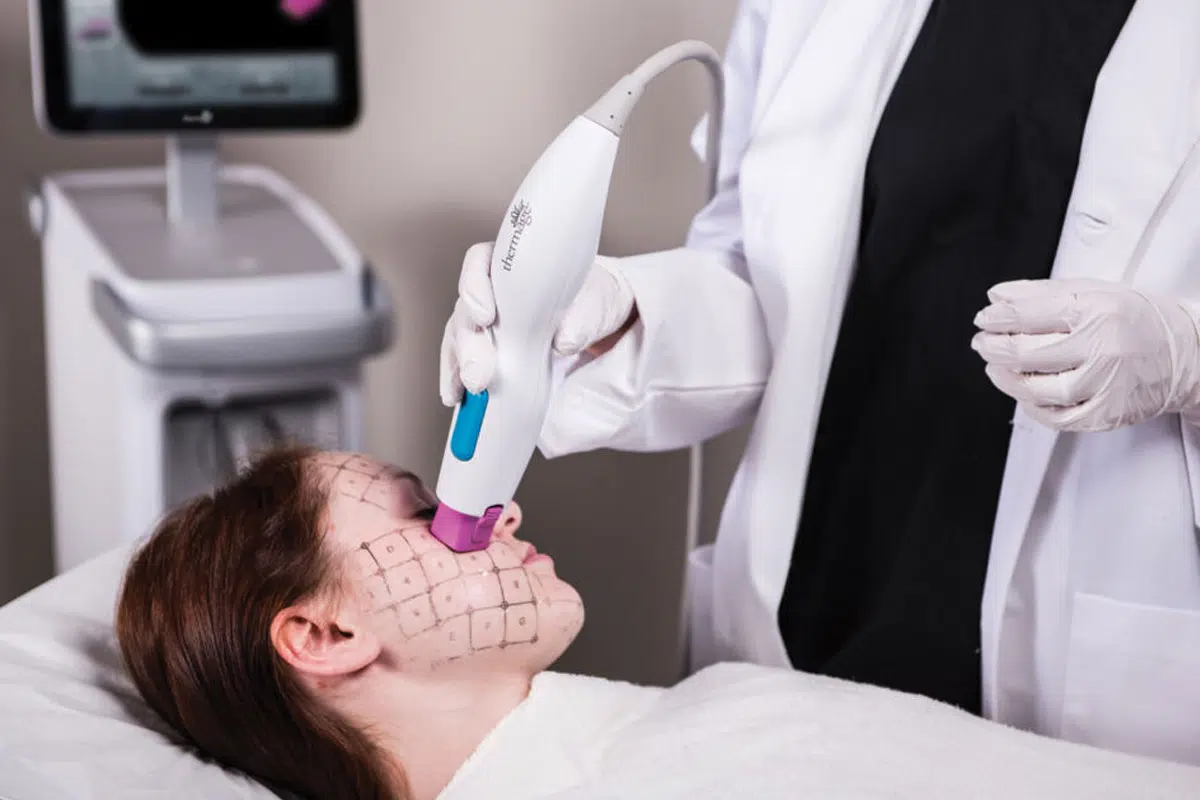
Microfocused ultrasound (like Liftera)
-
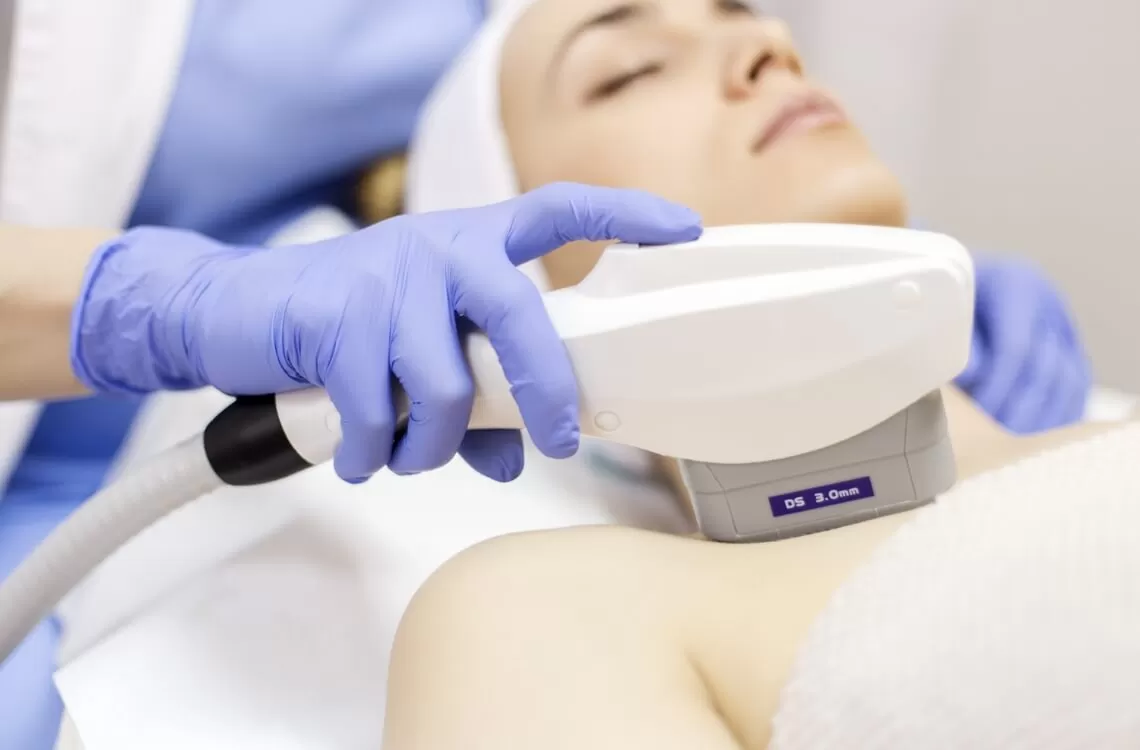
Lasers for skin quality
These combinations reduce muscle strain and improve skin support.
Does the correct interval between applications affect the result?
It interferes directly. Applying Botox at very short intervals can reduce its effectiveness over time.
Ideally:
-
Respect the average interval of 4 to 6 months.
-
Assess the actual need for reapplication.
-
Avoid "excessive retouching"
Well-planned applications tend to offer more lasting results.
Can lifestyle factors shorten the effects of Botox?
Yes, it can. Some habits accelerate the breakdown of the toxin:
-
Smoking
-
Sun exposure without protection
-
Chronic stress
-
Lack of sleep
-
Excessive alcohol consumption
Maintaining a balanced routine helps not only the Botox treatment, but also the overall health of the skin.
Conclusion
Botox is an extremely effective treatment when properly indicated, but It is not a simple or standardized procedure..
Understanding why it works, why it sometimes fails, and why its duration varies is essential for aligning expectations and achieving good results.
If you have questions about Botox, it's best to consult a... personalized medical assessment...to understand what truly makes sense for your face and your current stage of life.
-
How long does the effect of Botox last?
On average, it takes 4 to 6 months, but this can vary depending on the individual's body.
-
Why did my Botox last less time this time?
Metabolism, muscle strength, and habits directly influence this.
-
Does preventative Botox last longer?
Usually yes, because the muscle isn't that strong yet.
-
Does physical activity diminish the effects of Botox?
Not in the long term, but it should be avoided soon after application.
-
Does sun exposure affect the longevity of Botox?
Yes. Excessive sun exposure can reduce durability.
-
Does taking anti-inflammatory drugs interfere with Botox?
It may interfere with collagen stimulation, but it does not negate the effects of Botox.
-
Can Botox stop working?
In rare cases, resistance may occur, usually due to improper use.
-
Does getting a touch-up help it last longer?
Well-placed touch-ups can help, but overdoing it can be detrimental.
-
Does biostimulation replace Botox?
No. They have different and complementary functions.
-
How do I know when it's the right time to reapply?
When muscle movement begins to gradually return.
- Does stopping Botox make wrinkles worse? (Myth or truth) Click here!
- Botox aftercare: alcohol, anti-inflammatories, blood donation, and contraindications | Click here!
- How to Make Botox Last Longer: Habits, Care, and Factors That Influence the Results | Click here!
- Is the effect of Botox on the face immediate? Understand when the results really appear | Click here!
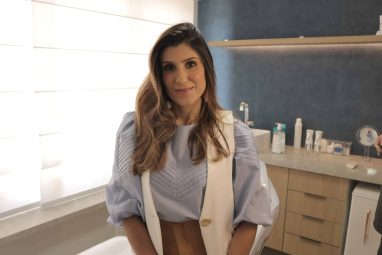

Medical evaluation is essential to understand the patient's complaints, identify dermatological problems, and consider their individual characteristics, such as anatomy, skin type, and reactions to substances used. Based on this, it is possible to determine the appropriate techniques to naturally enhance the features of the face, skin, and body.
Choosing a dermatologist is crucial for a thorough analysis of the areas of disharmony in the patient and to determine the necessary techniques, whether it be increasing volume, correcting angles, or symmetry. With a personalized and exclusive treatment plan, it is possible to meet the specific needs of each patient while respecting their limitations.
Dr. Renata Ralha, Clinical, Aesthetic and Hair Dermatologist, CRM: 52-84102-1 RJ, RQE No.: 28115
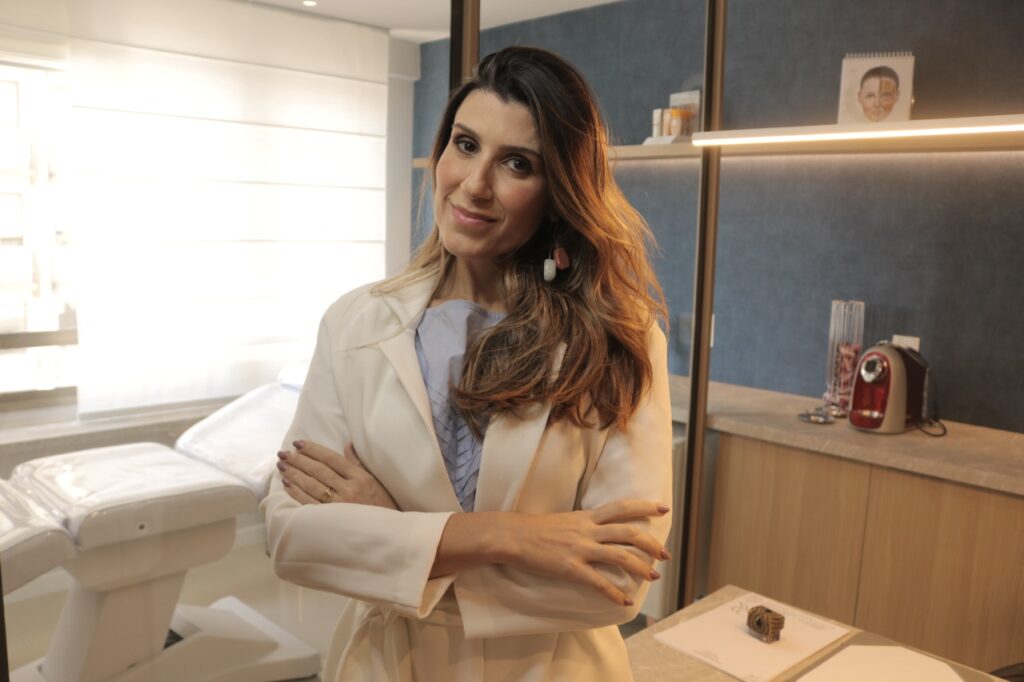
Medical evaluation is essential to understand the patient's complaints, identify dermatological problems, and consider their individual characteristics, such as anatomy, skin type, and reactions to substances used. Based on this, it is possible to determine the appropriate techniques to naturally enhance the features of the face, skin, and body.
Choosing a dermatologist is crucial for a thorough analysis of the areas of disharmony in the patient and to determine the necessary techniques, whether it be increasing volume, correcting angles, or symmetry. With a personalized and exclusive treatment plan, it is possible to meet the specific needs of each patient while respecting their limitations.

Dr. Renata Ralha, Clinical, Aesthetic and Hair Dermatologist, CRM: 52-84102-1 RJ, RQE No.: 28115

Follow our WhatsApp channel: Dr. Renata Ralha!
This channel is for you to stay up-to-date on the best news about... dermatology, aesthetics and skincareIn addition to finding out about all the new publications, promotions and sweepstakes that we offer at the Renata Ralha Clinic!