In this blog, let's talk about different methods to lighten sunburnt skin and reduce the appearance of blemishes, as well as preventing excessive tanning and To protect the skin from damage caused by sun exposure. We will discuss options for to reverse skin darkening and the time required To help the skin return to its natural color after sun exposure. Take advantage of our suggestions to maintain healthy, radiant skin protected from sun damage!
Schedule your personalized evaluation with Dr. Renata!
Dermatologist at Nova América
Prevention and treatment of excessive skin tanning.
Is it true that the sun darkens the skin? Tanning is a natural response from the skin to sun exposure and it happens when the skin produces melanin in response to UV rays. However, the excessive tanning can bring Damage to the skin and increased risk of developing skin cancer.
- Protect yourself from the sun.: for prevent excessive tanning, is important avoid prolonged exposure and direct sunlight, especially in peak hours of solar radiation. Use Protective clothing, such as wide-brimmed hats and UV-protective clothing, as well as sunglasses.
- Use sunscreen: apply a sunscreen with Suitable FPS for your skin type dailyeven in cloudy days or when you are indoorsReapply every two hours or after Excessive sweating or contact with water.
- Moisturize your skin: the use of moisturizers suitable for your skin type helps maintain aHe is healthy and resistant to the sun. Proper hydration can also reduce flaking and dryness caused by tanning.
Case or tanning has already occurred and is unwanted.one can resort to methods for lightening the skin, which we will mention below. However, it is fundamentalI consult a dermatologist. for assessment and indication of treatment most appropriate.
Reversing sun-induced skin darkening: is it possible?
Is it possible to lighten sunburnt skin? Skin darkening caused by the sun. It can be reversed. but it's important to remember that this The process requires time and care. appropriate.
- How to restore your natural skin color after sun exposure?
Solar protection: A first measure for Reversing skin darkening means avoiding future sun exposure. In the sun without proper protection. Use Use sunscreen daily and reapply it regularly. especially when exposed to the sun. - Famous Brazilians Mariana Ximenes and Luana Piovani talk about Liftera: Facial Rejuvenation | Click here!
-
How to lighten sunburned skin?
Topical skin lighteners: there skin lightening creams and lotions that can help to reduce melanin production and lighten the skin.. Is important Consult a dermatologist. so that he can indicate the The product best suited to your skin type. -
How to get rid of a sun tan faster?
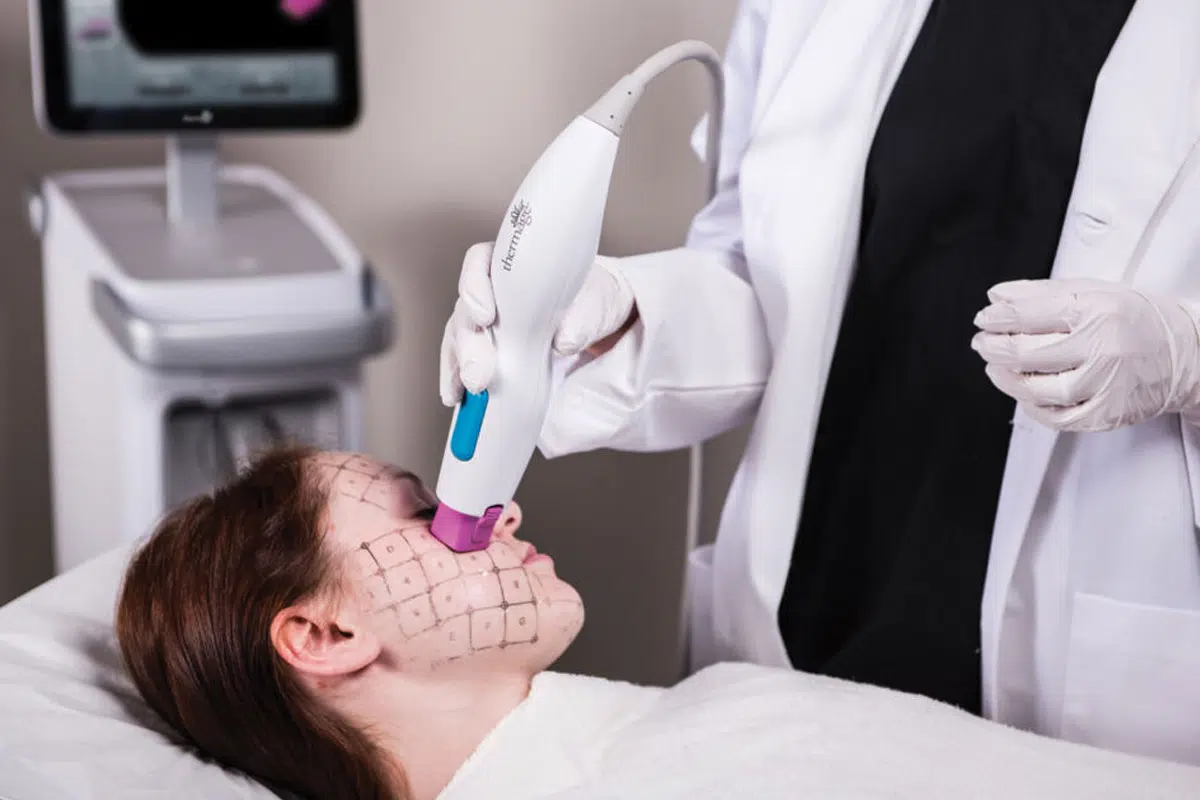
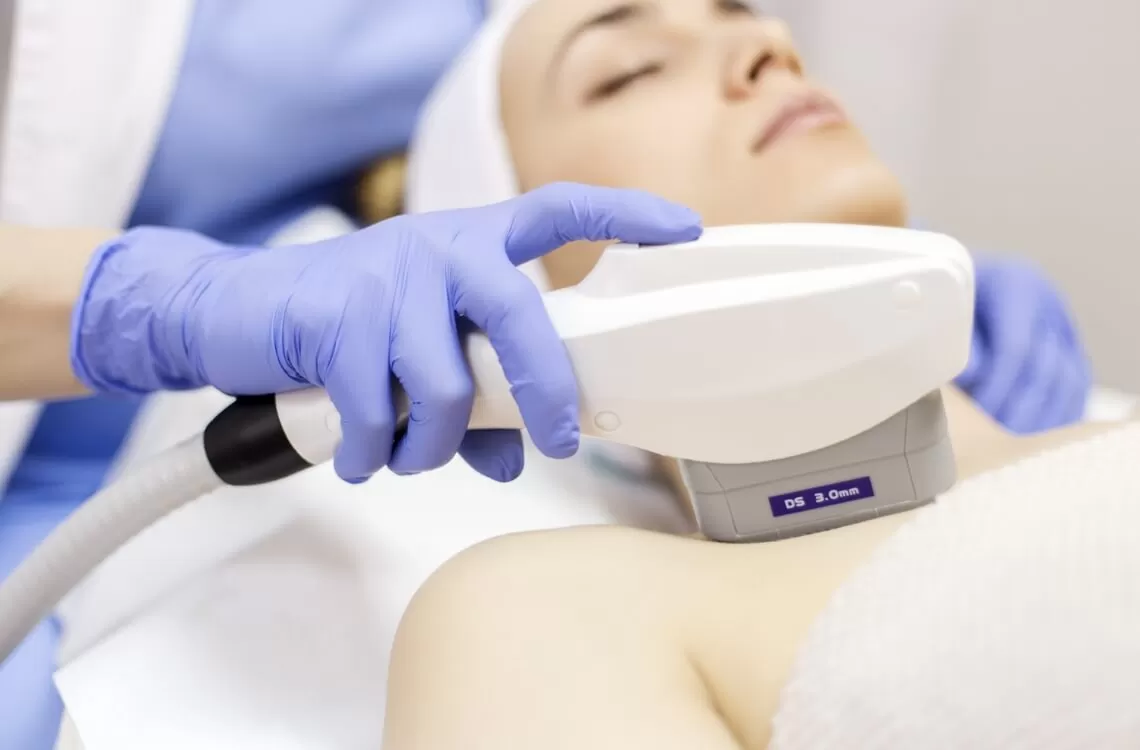
Professional treatmentsdepending on severity of skin darkeningIt may be necessary to use Professional treatments, such as chemical peels, laser or microdermabrasion. What can I do to make my tan fade faster? These treatments help to They accelerate the skin lightening process and stimulate cell renewal.
It's important to be patient and follow the dermatologist's instructions. to obtain satisfactory results in reversing skin darkening. It is worth noting that Each person reacts differently to treatments. and that is fundamental Adopt a consistent sun protection routine to prevent your skin from darkening again.
How long does it take for skin to return to its natural color after sun exposure?
O necessary time to restore the skin to its natural color after sun exposure. It can vary depending on several factors.Like amount of sun exposure, intensity of UV rays, individual skin sensitivity, Use of sunscreen and post-exposure care.
It is essential to remember that the adequate sun protection and skin care are essential to prevent changes in pigmentation and the development of spots. Use Sunscreen daily, reapply it to Every two hours, or after excessive sweating, use sun-protective clothing and avoid sun exposure during peak hours.
Best methods for lightening skin after sun exposure.
How to lighten skin darkened by the sun? There are different methods which can be used for to lighten skin after sun exposure e reduce the appearance of blemishes.
- Use of topical skin lightenersSkin-lightening creams and lotions containing ingredients such as kojic acid, azelaic acid, vitamin C, or others. active ingredients that can help reduce melanin production and lighten the skin. Is important Consult a dermatologist. so that he can indicate the most suitable product for your skin type.
- Chemical peelingthis procedure performed by a dermatologist involves the application of chemical substances on the skin for Remove the superficial layers and stimulate cell renewal. Chemical peels can help to to lighten the skin and improve its texture, but it is important to carry out the Treatment under medical supervision.
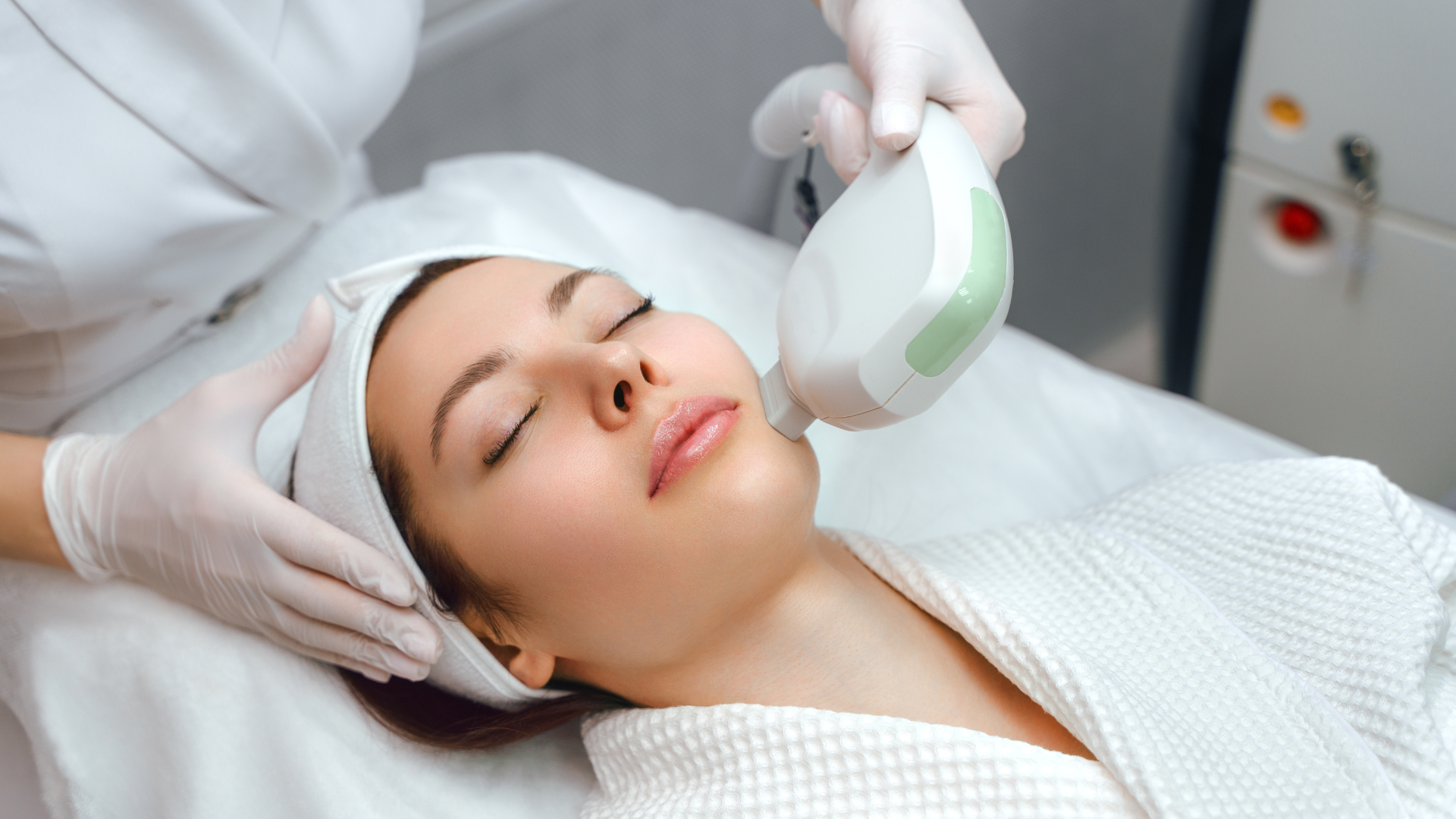
- Laser Therapy: the use of specific lasers It can help lighten the skin by destroying excess pigmentation.. O type of laser used will depend on the characteristics skin and of the type of stain to be treated. It is essential to carry out the treatment with a qualified professional.
In addition to these methods, it is important to adopt a A skincare routine that includes daily use of sunscreen, proper hydration, and avoiding excessive sun exposure.
-
Does skin lightening mean removing blemishes or changing the natural tone?
In a dermatological context, skin lightening means treating blemishes and pigmentation irregularities, not changing the skin's natural tone. The goal is to even out the skin tone, respecting the original color and the individual response of each skin type.
-
What are the main causes of skin blemishes?
Spots can appear due to sun exposure, inflammation (such as acne), hormonal changes, aging, or inappropriate external stimuli. Identifying the cause is essential to determine the correct treatment.
-
Do homemade products or recipes found online help to lighten the skin?
Generally, no. Many home remedies can irritate the skin, cause a rebound effect, or worsen existing blemishes. Safe whitening requires appropriate active ingredients, correct concentrations, and professional supervision.
-
How long does it take to lighten skin safely?
It depends on the type of stain, the depth of the pigment, and the individual response. Some stains improve in weeks, while others require months of continuous treatment. Lightening is a gradual process, not an immediate one.
-
Do cosmetic treatments really help to lighten the skin?
Yes, when properly indicated. Technologies, peels, and medical protocols can help reduce blemishes and improve skin uniformity. Success depends on correct assessment and the appropriate combination of approaches.
-
Does sunscreen make a difference in skin lightening?
It makes all the difference. Without adequate sun protection, any whitening treatment tends to fail or have only temporary results. Daily and correct use of sunscreen is an essential part of the treatment.
-
Is it possible to lighten skin without peeling or sensitivity?
It depends on the strategy chosen. There are gentler and more progressive approaches, but even so, the skin may go through adaptation phases. Adjusting the treatment to the skin's profile reduces risks and discomfort.
-
Can all blemishes be completely lightened?
No. Some spots respond better than others. The realistic goal is to improve appearance and control recurrence, not to promise complete elimination in all cases.
-
Why is a dermatological evaluation essential for safe skin lightening?
Because each spot has a different origin. Assessing skin type, cause of pigmentation, history, and habits is what allows us to indicate the most effective treatment and prevent the condition from worsening.
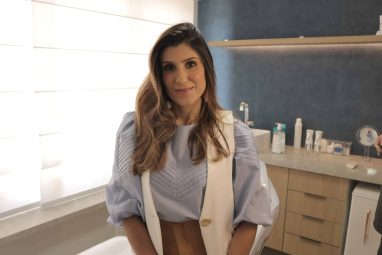

Medical evaluation is essential to understand the patient's complaints, identify dermatological problems, and consider their individual characteristics, such as anatomy, skin type, and reactions to substances used. Based on this, it is possible to determine the appropriate techniques to naturally enhance the features of the face, skin, and body.
Choosing a dermatologist is crucial for a thorough analysis of the areas of disharmony in the patient and to determine the necessary techniques, whether it be increasing volume, correcting angles, or symmetry. With a personalized and exclusive treatment plan, it is possible to meet the specific needs of each patient while respecting their limitations.
Dr. Renata Ralha, Clinical, Aesthetic and Hair Dermatologist, CRM: 52-84102-1 RJ, RQE No.: 28115
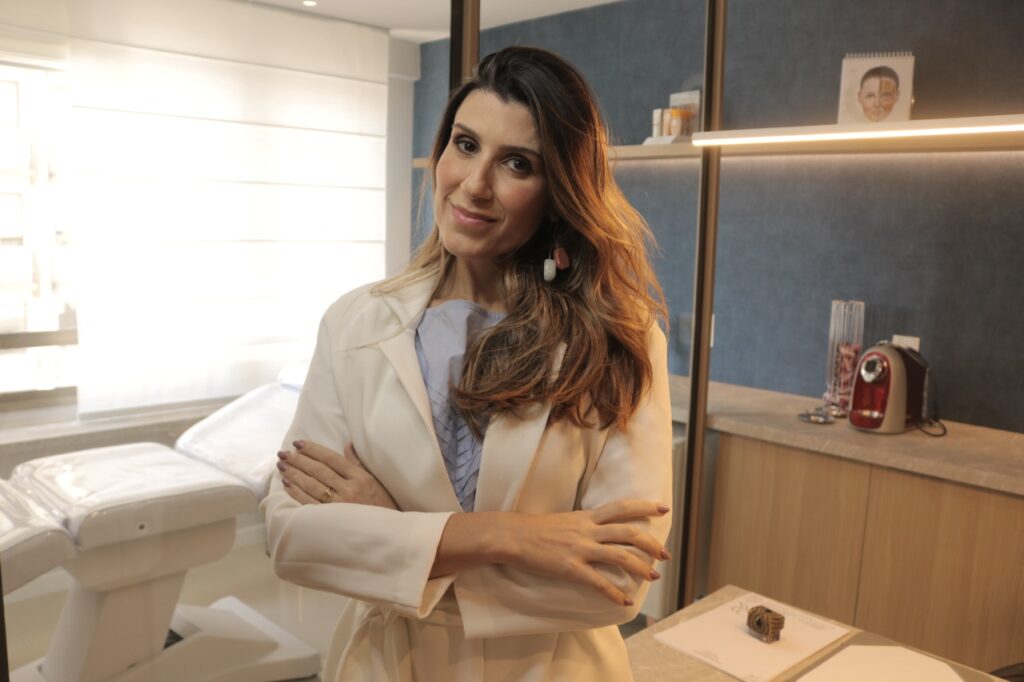

Dr. Renata Ralha, Clinical, Aesthetic and Hair Dermatologist, CRM: 52-84102-1 RJ, RQE No.: 28115
Follow our WhatsApp channel: Dr. Renata Ralha!
This channel is for you to stay up-to-date on the best news about... dermatology, aesthetics and skincareIn addition to finding out about all the new publications, promotions and sweepstakes that we offer at the Renata Ralha Clinic!