Skin blemishes are among the most common complaints in dermatological clinics. Sun exposure, acne, hormonal changes, inflammation, and even poorly indicated procedures can lead to skin darkening and loss of even skin tone.
That's why many people are looking for answers like: How to lighten skin? What really works for blemishes? Do home whitening methods work? Does laser treatment lighten skin?
The truth is Skin lightening requires accurate diagnosis, an appropriate strategy, and consistency.Not all blemishes are the same, and not all treatments are suitable for all skin types.
Next, I will explain. How does skin whitening work, and I answer the most frequently asked questions on Google about the topic., with a focus on safety, science, and real-world results.
Schedule your personalized evaluation with Dr. Renata!
Dermatologist at Nova América
Skin lightening goes far beyond using a single product. It's a process that involves... Accurate diagnosis, individualized strategy, rigorous sun protection, and medical follow-up..
When performed correctly, skin lightening restores uniformity, luminosity, and health to the skin, without unnecessary risks or unwanted side effects.
If you notice spots, darkening, or loss of skin radiance, a dermatological evaluation is the first step in determining the best course of action and achieving safe and lasting results.
-
What causes dark spots on the skin?
Dark spots can be caused by sun exposure, acne, inflammation, melasma, hormonal changes, aging, improper use of cosmetics, or aggressive procedures.
-
Is it possible to lighten the skin safely?
Yes, provided the treatment is prescribed by a dermatologist and respects the patient's skin type, type of blemish, and medical history.
-
Does skin whitening work for everyone?
It works, but results vary depending on the type of blemish, the depth of the pigment, and adherence to aftercare, especially the use of sunscreen.
-
What is the best treatment for lightening the skin?
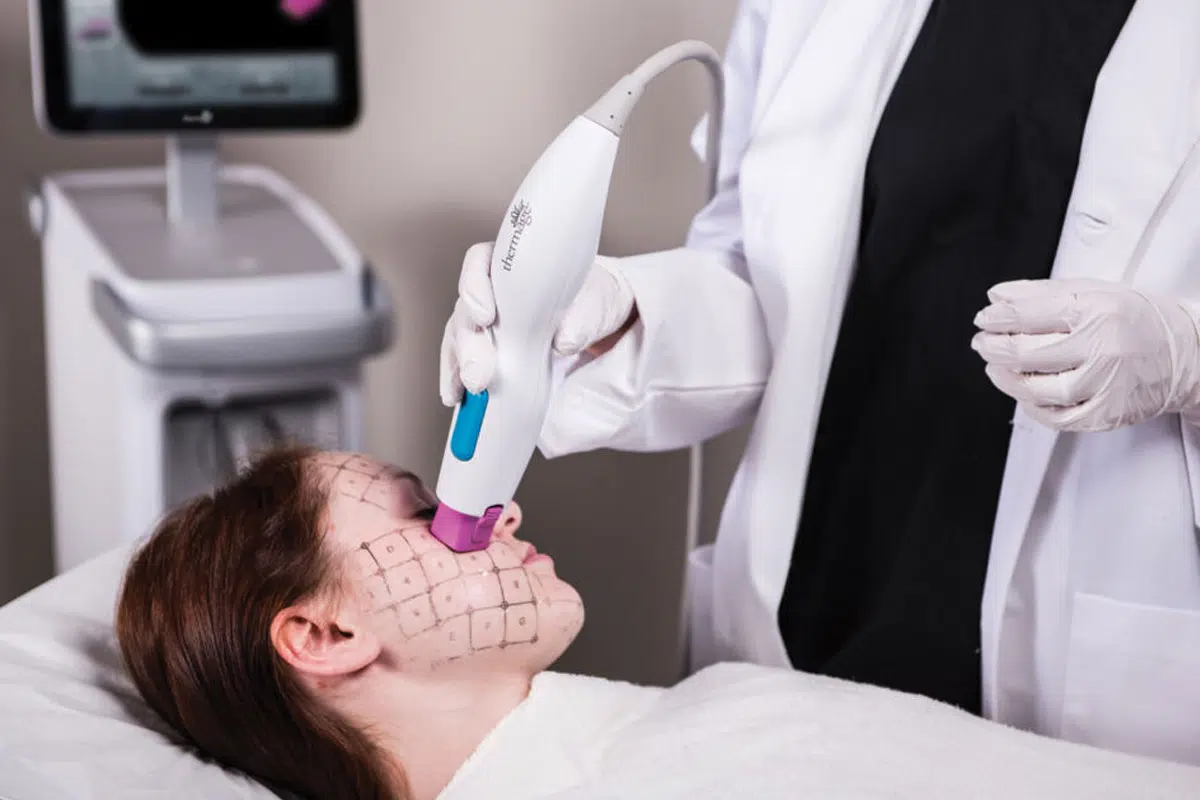
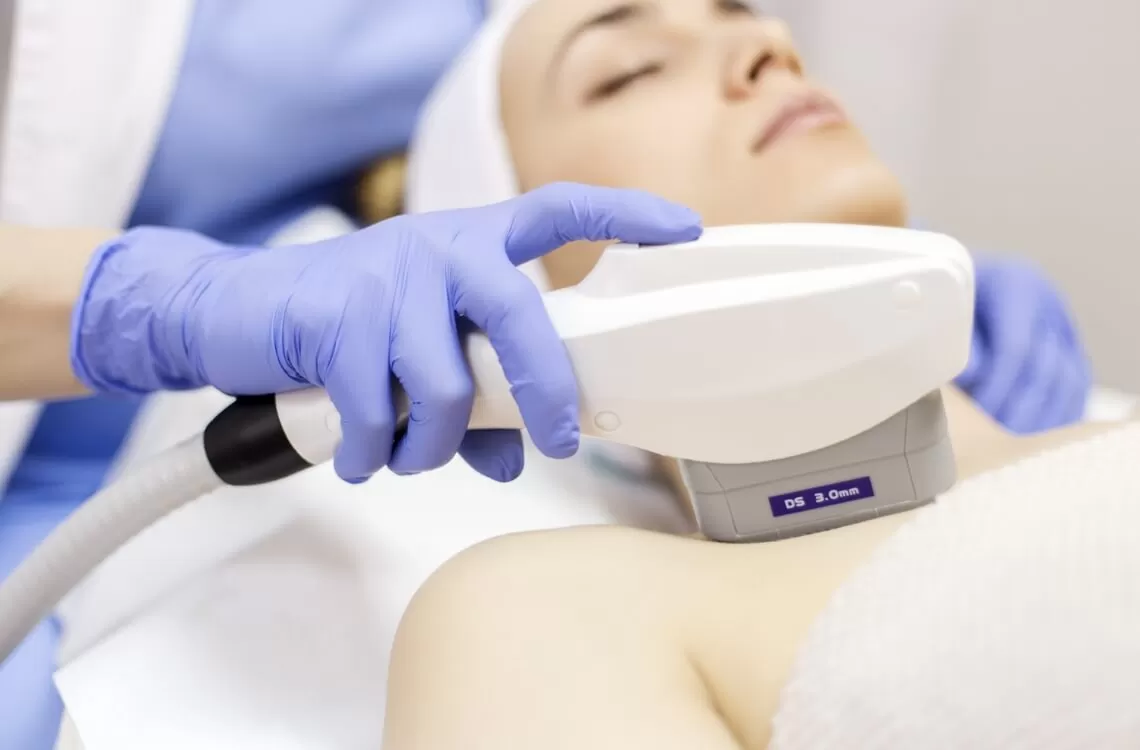
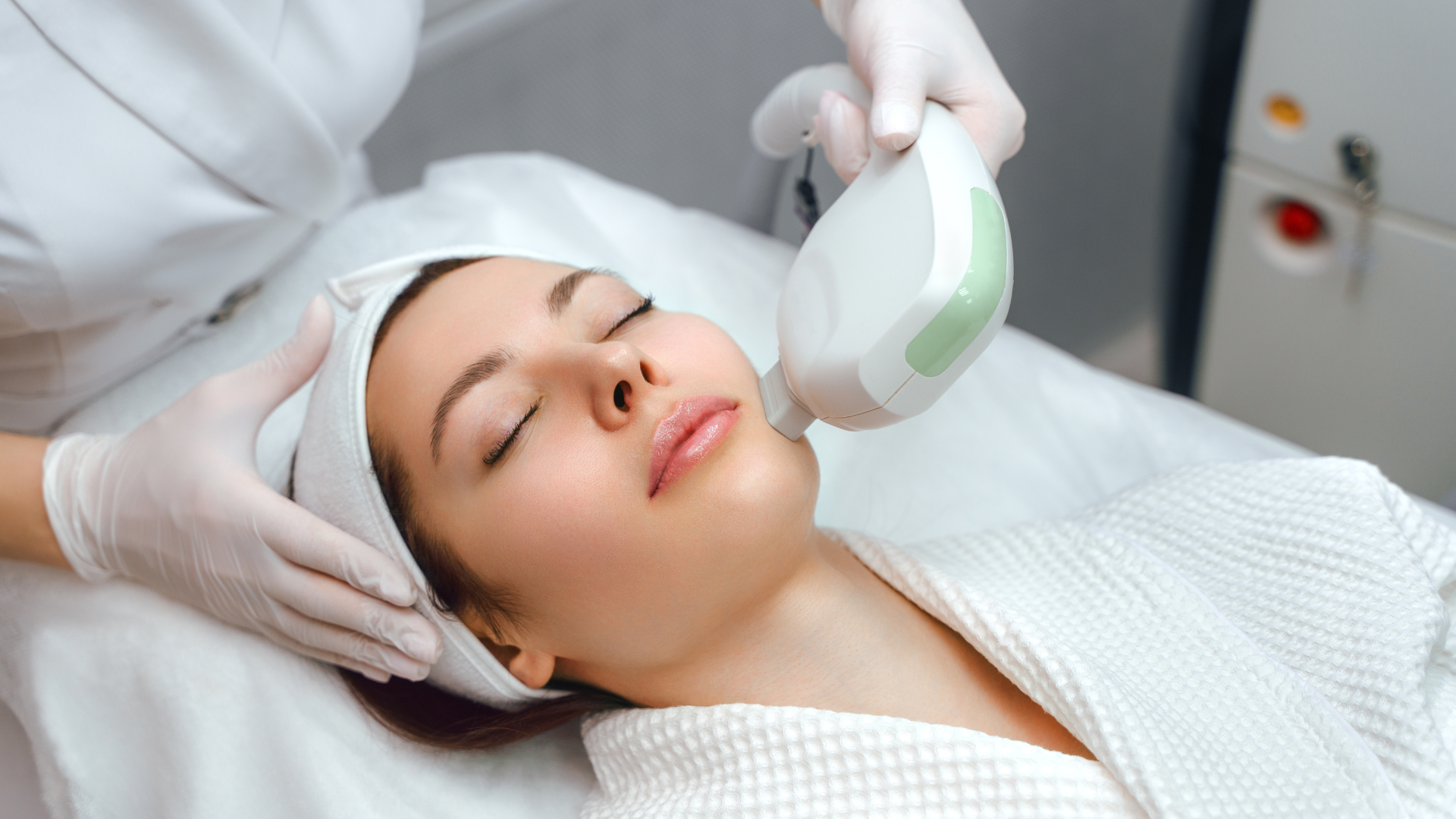
There is no single best treatment. Options include skin-lightening cosmetics, peels, lasers, pulsed light, and combination technologies, always tailored to each individual.
-
Do whitening products really work?
Yes, when they contain proven active ingredients and are used correctly, such as tranexamic acid, kojic acid, glycolic acid, vitamin C, niacinamide, and retinoids.
-
Is it safe to lighten the skin with homemade remedies?
Not recommended. Many home remedies can cause irritation, burns, or worsen blemishes, especially on sensitive skin.
-
Does laser lighten the skin?
Yes, specific lasers can lighten blemishes, even out skin tone, and treat pigmentation, provided they are properly indicated.
-
Does peeling help lighten the skin?
It helps, especially with superficial blemishes. The type of peel should be chosen according to the phototype and depth of the blemish.
-
Does skin whitening hurt?
Most treatments cause little discomfort. Topical anesthetics are used when necessary.
-
How long does it take to lighten the skin?
The whitening process is progressive. The first results may appear in weeks, but the complete treatment can take months.
-
Can dark spots return after bleaching?
Yes, especially if there is no adequate sun protection or if the underlying cause persists, such as hormonal changes.
-
Does sunscreen help lighten the skin?
Yes. Sunscreen is an essential part of the treatment. Without it, any whitening process is likely to fail.
-
Is tinted sunscreen better for dark spots?
In most cases, yes. It also protects against visible light, which aggravates melasma and hyperpigmentation.
-
Can I lighten my skin in the summer?
Yes, with extra care. Today there are safe treatments and protocols even during periods of increased sun exposure.
-
Does skin lightening thin the skin or cause excessive peeling?
It depends on the treatment. Some peels cause mild, controlled peeling; other methods don't cause peeling at all.
-
What is the difference between lightening dark spots and lightening the skin?
Lightening dark spots treats specific areas. Skin lightening focuses on evening out overall skin tone and texture.
-
Can people with dark skin undergo skin lightening?
Yes, provided that specific protocols are followed and medical supervision is provided, respecting the phototype.
-
Does whitening help with skin texture?
Yes. Many skin-lightening treatments also improve skin texture, radiance, and overall quality.
-
When should you see a dermatologist for skin lightening?
Whenever there are persistent spots, progressive darkening, or doubts about the best treatment.
-
Coolfase or Liftera: Which is the Best Treatment for Sagging Skin? Click here!
- Famous Brazilians Mariana Ximenes and Luana Piovani talk about Liftera: Facial Rejuvenation | Click here!
- Liftera 2: Natural Lifting | How Does it Work? Price | Click here!
-
Carnival with Sun: How to protect your skin during Carnival! Click here


Medical evaluation is essential to understand the patient's complaints, identify dermatological problems, and consider their individual characteristics, such as anatomy, skin type, and reactions to substances used. Based on this, it is possible to determine the appropriate techniques to naturally enhance the features of the face, skin, and body.
Choosing a dermatologist is crucial for a thorough analysis of the areas of disharmony in the patient and to determine the necessary techniques, whether it be increasing volume, correcting angles, or symmetry. With a personalized and exclusive treatment plan, it is possible to meet the specific needs of each patient while respecting their limitations.
Dr. Renata Ralha, Clinical, Aesthetic and Hair Dermatologist, CRM: 52-84102-1 RJ, RQE No.: 28115


Dr. Renata Ralha, Clinical, Aesthetic and Hair Dermatologist, CRM: 52-84102-1 RJ, RQE No.: 28115
Follow our WhatsApp channel: Dr. Renata Ralha!
This channel is for you to stay up-to-date on the best news about... dermatology, aesthetics and skincareIn addition to finding out about all the new publications, promotions and sweepstakes that we offer at the Renata Ralha Clinic!