Hello! I'm Dr. Renata Ralha, a dermatologist, and today we're going to discuss a very important topic for skin health: risks associated with artificial tanning. Although the pursuit of a tanned complexion is common, it's crucial to understand the implications of this procedure in order to make informed decisions.
Schedule your personalized evaluation with Dr. Renata!
Dermatologist at Nova América
What is artificial tanning and how does it work?
Artificial tanning involves the use of tanning beds that emit ultraviolet (UV) radiation to darken the skin. These beds primarily emit UVA rays, which penetrate deep into the skin and are the main cause of tanning and skin aging. Both UVA and UVB rays contribute to a higher risk of skin cancer.
What are the risks of artificial tanning for the skin?
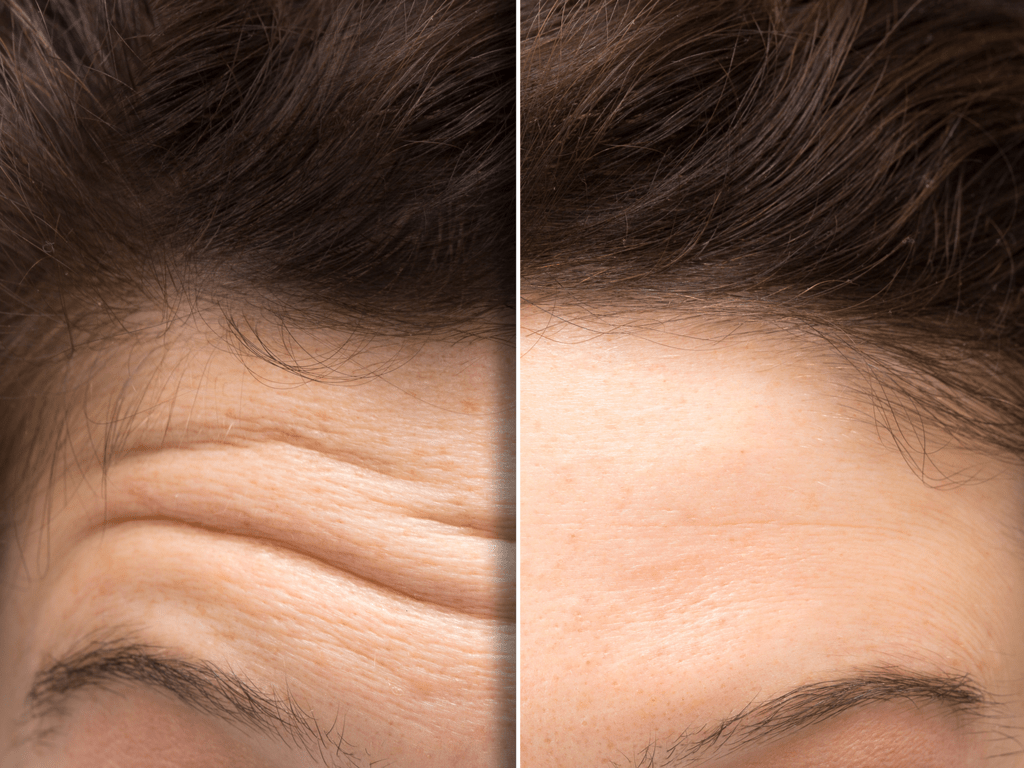
Premature aging: Exposure to UVA rays accelerates skin aging, resulting in wrinkles, loss of elasticity, and age spots. UVA rays penetrate the deeper layers of the skin, altering collagen and elastin fibers, which causes photoaging.
Does artificial tanning increase the risk of skin cancer?
Yes, artificial tanning is directly linked to an increased risk of skin cancer, including:
-
Melanoma: The most aggressive type of skin cancer. Studies show that artificial tanning increases the risk of melanoma by 75%.
-
Basal cell and squamous cell carcinoma: The most common types of skin cancer, also associated with UV radiation exposure. Tanning increases the risk of basal cell carcinoma, squamous cell carcinoma, and melanoma.
What are some safe alternatives to artificial tanning?
For those who want a tanned complexion without the risks associated with artificial tanning, there are safer options:
-
Self-tanners: Topical products that provide a temporary tan without exposure to UV rays.
-
Spray tanning: Application of self-tanning solutions via spray, offering a uniform and safe result.
The closing thought
While artificial tanning may seem like a quick fix for achieving a tanned complexion, the associated risks, including premature aging and a significantly increased risk of skin cancer, outweigh the temporary aesthetic benefits. It's essential to prioritize skin health and choose safe methods to achieve your desired tan.

Medical evaluation is essential to understand the patient's complaints, identify dermatological problems, and consider their individual characteristics, such as anatomy, skin type, and reactions to substances used. Based on this, it is possible to determine the appropriate techniques to naturally enhance the features of the face, skin, and body.
Choosing a dermatologist is crucial for a thorough analysis of the areas of disharmony in the patient and to determine the necessary techniques, whether it be increasing volume, correcting angles, or symmetry. With a personalized and exclusive treatment plan, it is possible to meet the specific needs of each patient while respecting their limitations.
Dr. Renata Ralha, Clinical, Aesthetic and Hair Dermatologist, CRM: 52-84102-1 RJ, RQE No.: 28115
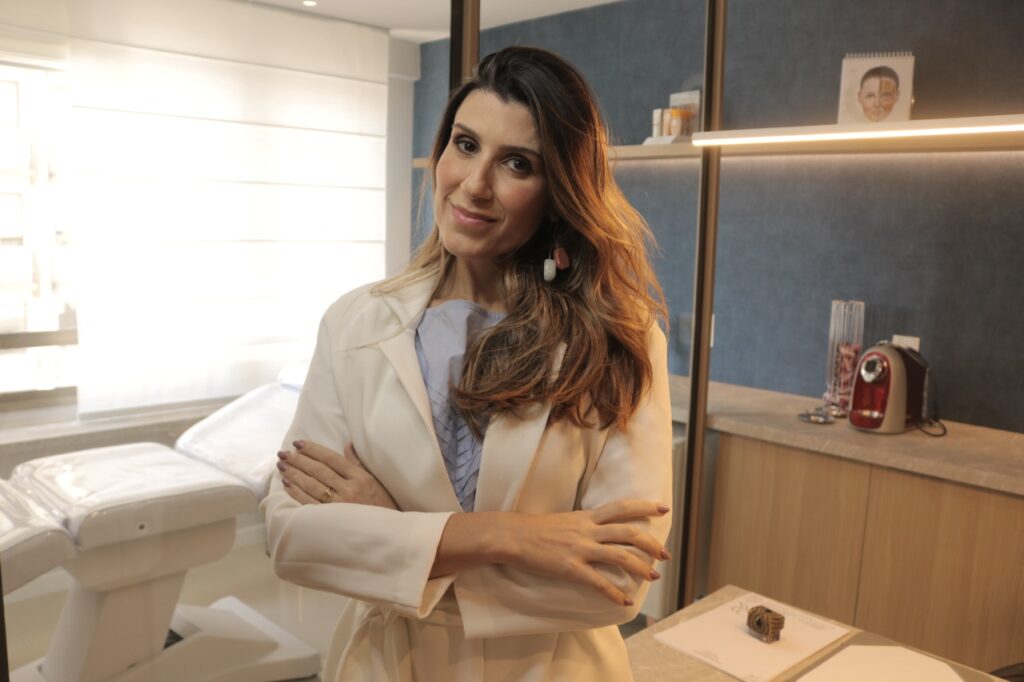

Dr. Renata Ralha, Clinical, Aesthetic and Hair Dermatologist, CRM: 52-84102-1 RJ, RQE No.: 28115
Follow our WhatsApp channel: Dr. Renata Ralha!
This channel is for you to stay up-to-date on the best news about... dermatology, aesthetics and skincareIn addition to finding out about all the new publications, promotions and sweepstakes that we offer at the Renata Ralha Clinic!