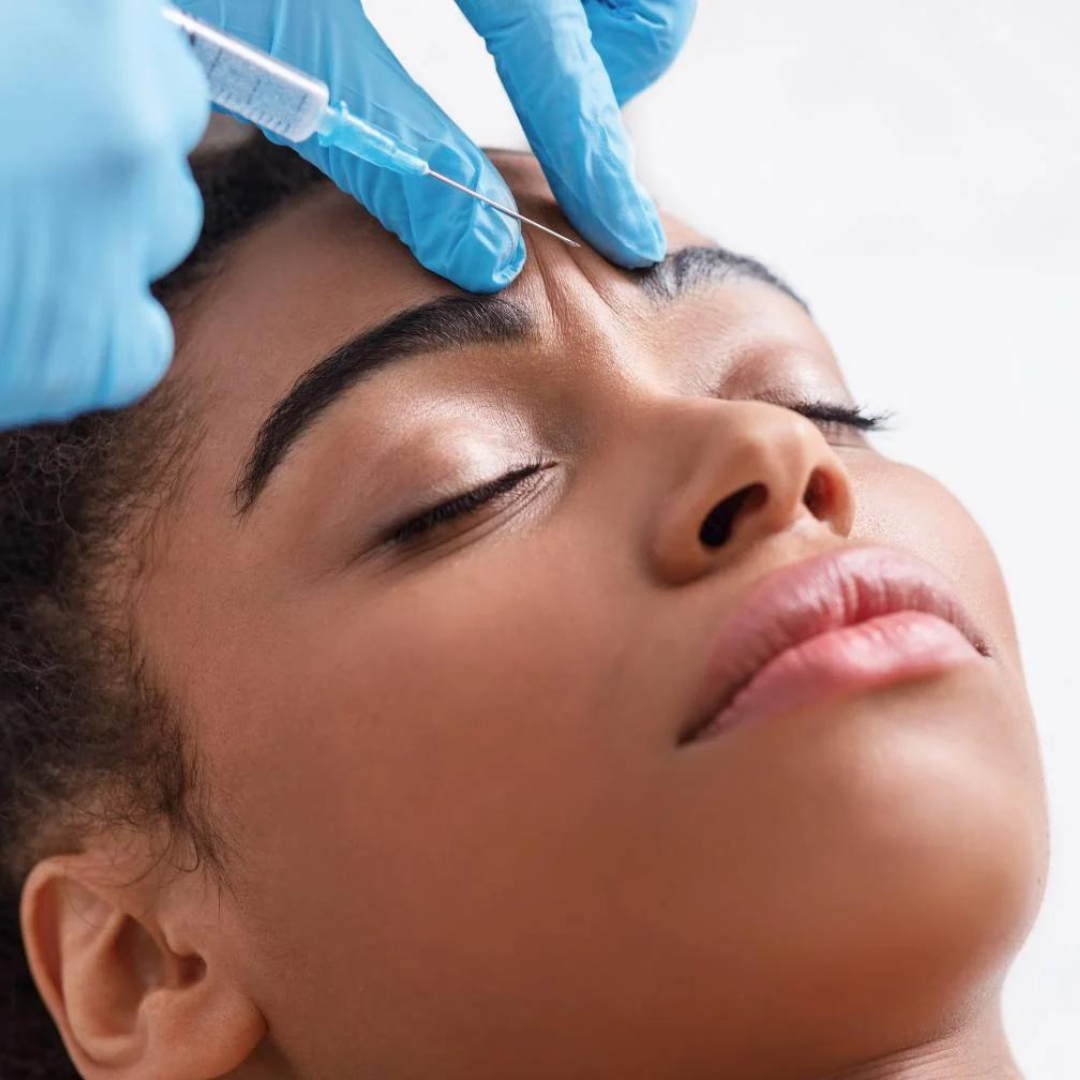
Botox (botulinum toxin) is one of the most popular cosmetic treatments for reducing expression lines and smoothing wrinkles. When properly indicated and applied by a qualified dermatologist, the results are safe and natural.
However, there are important precautions you should be aware of before and after the procedure—especially regarding alcohol consumption, medication use, blood donation, and conditions that make the procedure unsuitable. Below, we clarify these questions based on reliable medical evidence.
Schedule your personalized evaluation with Dr. Renata!
Table of Contents
Can someone who gets Botox drink alcohol?
It is not recommended to consume alcoholic beverages in the first few days. 24 to 48 hours before and after Botox application..
Alcohol causes dilation of blood vessels and it can increase circulation at the application site, which:
-
increases the risk of bruises;
-
It can increase swelling and redness;
-
This potentially impairs the product's ability to adhere in the first few hours.
Therefore, avoid drinking alcohol during this period to protect the outcome and reduce unwanted signs.
Can someone who gets Botox donate blood?
Donating blood after Botox treatment is not usually a formal contraindication in dermatological protocols. However, many blood banks request that you wait. a few days after any procedure in which there was injections or risk of skin infection, as a general safety measure.
Important tip: Consult your healthcare provider or blood bank to confirm the required interval before donating.
Botox – Female
Promotional Price
950
1.600
Application of Botulinum Toxin to the upper third of the face.
Values in Reais
Can someone who gets Botox take anti-inflammatory drugs?
It is not recommended to take anti-inflammatory drugs. in the first 24 to 48 hours after application Botox.
Common anti-inflammatory medications — such as ibuprofen, diclofenac, or aspirin — can:
-
increase the risk of bruising and bleeding at the application site;
-
to interfere with the natural clotting of blood.
If you experience mild pain after the procedure, your dermatologist can suggest safer alternatives, such as... paracetamolwhich has no significant anticoagulant effect.
Always consult your doctor before taking any medication.
Who shouldn't get Botox?
There are situations in which the application of botulinum toxin not recommended or requires careful evaluation:
Absolute contraindications
-
Pregnancy and breastfeeding Safety is not proven during these periods.
-
Allergy to botulinum toxin or to any component of the formula..
-
Neuromuscular diseases, such as Myasthenia Gravis or Lambert-Eaton Syndrome, which involve weakness of the nerves and muscles.
Relative contraindications
-
Active infection at the application site. — inflamed acne, herpes, or sores.
-
Diseases that affect coagulation or the use of anticoagulants.which can increase bruising.
-
Use of certain medications that affect neuromuscular transmission or coagulation.
-
Recent aesthetic procedures in the facial areawhich may require waiting for healing.
In these cases, the decision to use Botox should be made after careful medical evaluation and, when necessary, medication adjustments.
Other important care after Botox treatment
In addition to avoiding alcohol and anti-inflammatory drugs, it is recommended to:
-
Do not lie down for 4 to 6 hours after application. to prevent product migration.
-
Do not massage or rub the area. within the first 24 hours.
-
Avoid exposure to intense heat. (sauna, hot baths) in the first 24-48 hours, as heat can increase circulation and affect the outcome.
-
Avoid strenuous physical activity for 24 hours.which can also increase blood flow.
Following these guidelines helps ensure that the Botox adheres correctly and that you achieve results that meet your treatment expectations.
Botox Protocol with Dr. Renata Ralha
A Dr. Renata Ralha, dermatologist CRM 52.84102-1 and RQE 28115, is a specialist in natural rejuvenation and personalized botulinum toxin treatments.
At the Renata Ralha Clinic, located in the Nova América Offices, Botox treatments are strategically planned, focusing on:
• nationality
• security
• application longevity
• facial harmony
• Modern standards in aesthetic dermatology
Individualized assessment means greater accuracy and better durability.
Conclusion
Botox is a safe procedure when performed by a qualified professional with clear instructions. Avoiding alcohol and anti-inflammatory drugs in the first few days, understanding the situations in which the treatment is not recommended, and following post-procedure care are fundamental steps to obtain more predictable and comfortable results.
If you have specific questions about your health or medications you are taking, talk to your dermatologist — they will be able to provide accurate guidance based on your individual clinical condition.
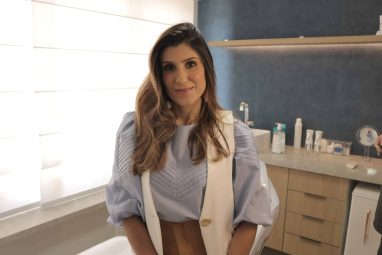

Medical evaluation is essential to understand the patient's complaints, identify dermatological problems, and consider their individual characteristics, such as anatomy, skin type, and reactions to substances used. Based on this, it is possible to determine the appropriate techniques to naturally enhance the features of the face, skin, and body.
Choosing a dermatologist is crucial for a thorough analysis of the areas of disharmony in the patient and to determine the necessary techniques, whether it be increasing volume, correcting angles, or symmetry. With a personalized and exclusive treatment plan, it is possible to meet the specific needs of each patient while respecting their limitations.
Dr. Renata Ralha, Clinical, Aesthetic and Hair Dermatologist, CRM: 52-84102-1 RJ, RQE No.: 28115
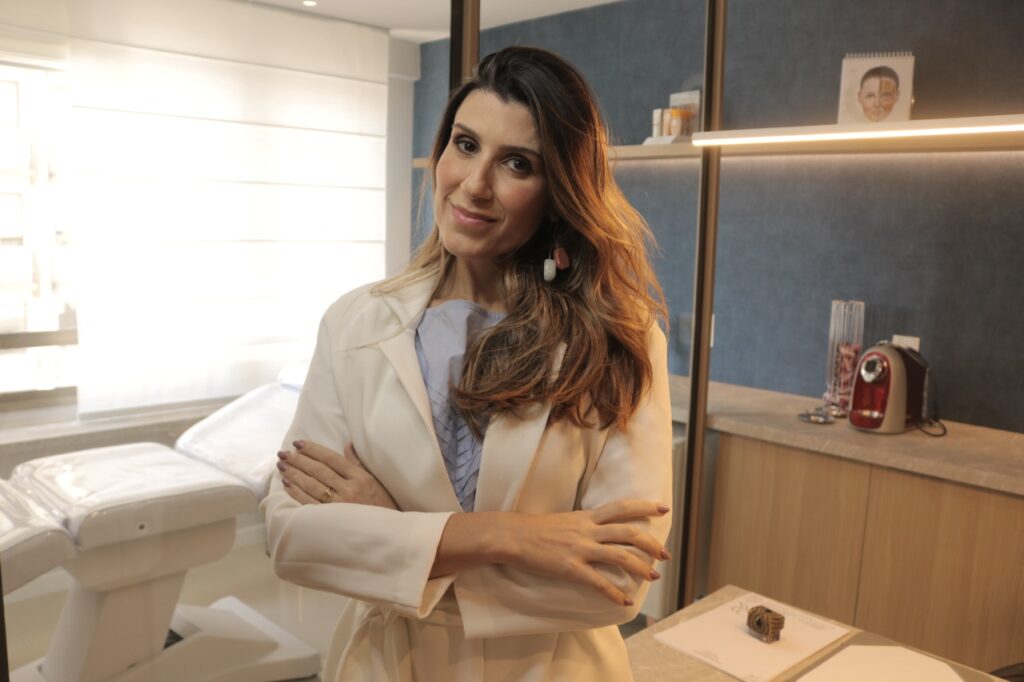
Medical evaluation is essential to understand the patient's complaints, identify dermatological problems, and consider their individual characteristics, such as anatomy, skin type, and reactions to substances used. Based on this, it is possible to determine the appropriate techniques to naturally enhance the features of the face, skin, and body.
Choosing a dermatologist is crucial for a thorough analysis of the areas of disharmony in the patient and to determine the necessary techniques, whether it be increasing volume, correcting angles, or symmetry. With a personalized and exclusive treatment plan, it is possible to meet the specific needs of each patient while respecting their limitations.

Dr. Renata Ralha, Clinical, Aesthetic and Hair Dermatologist, CRM: 52-84102-1 RJ, RQE No.: 28115

Follow our WhatsApp channel: Dr. Renata Ralha!
This channel is for you to stay up-to-date on the best news about... dermatology, aesthetics and skincareIn addition to finding out about all the new publications, promotions and sweepstakes that we offer at the Renata Ralha Clinic!